Skip to main content


Universities need well-organized, comfortable, and functional spaces to support academic excellence and efficient administration. From faculty offices and department rooms to libraries, conference areas, and administrative departments, every workspace requires furniture that meets its specific needs. A thoughtfully designed campus environment can improve staff productivity, encourage collaboration, and create a professional atmosphere for students, educators, and visitors. Choosing the right Office Furniture for Universities is therefore an important investment for educational institutions looking to develop practical and welcoming environments.
Across the Philippines, universities are expanding their facilities, upgrading existing buildings, and creating modern learning environments. These developments increase the demand for durable office desks, ergonomic chairs, conference tables, filing cabinets, workstations, and storage solutions. Whether an institution operates a small administrative office or a large university campus, selecting suitable furniture helps make everyday operations more organized and efficient.
Why Quality Office Furniture Matters in Universities
A university is a busy environment where different departments perform various activities throughout the day. Administrative employees handle documents, faculty members prepare lessons, department heads conduct meetings, and university staff coordinate academic operations. Each activity requires an appropriate workspace.
Quality furniture supports these activities by providing comfort, organization, and functionality. For example, ergonomic office chairs can help employees maintain better sitting positions during extended working hours. Spacious office desks provide sufficient room for computers, documents, and other essential equipment. Meanwhile, storage cabinets help departments organize important records and maintain clean workspaces.
Furniture also contributes to the overall appearance of an educational institution. Modern and coordinated office interiors create a professional impression for parents, visitors, students, and business partners.
Universities should consider furniture as a long-term facility investment rather than simply purchasing individual items to fill available rooms.
Essential Furniture Every University Should Consider
Different university departments have different furniture requirements. A faculty office needs a comfortable working environment, while an administrative department requires practical storage and organized workstations. Understanding these requirements makes furniture selection easier.
Office Desks for Faculty and Administrative Staff
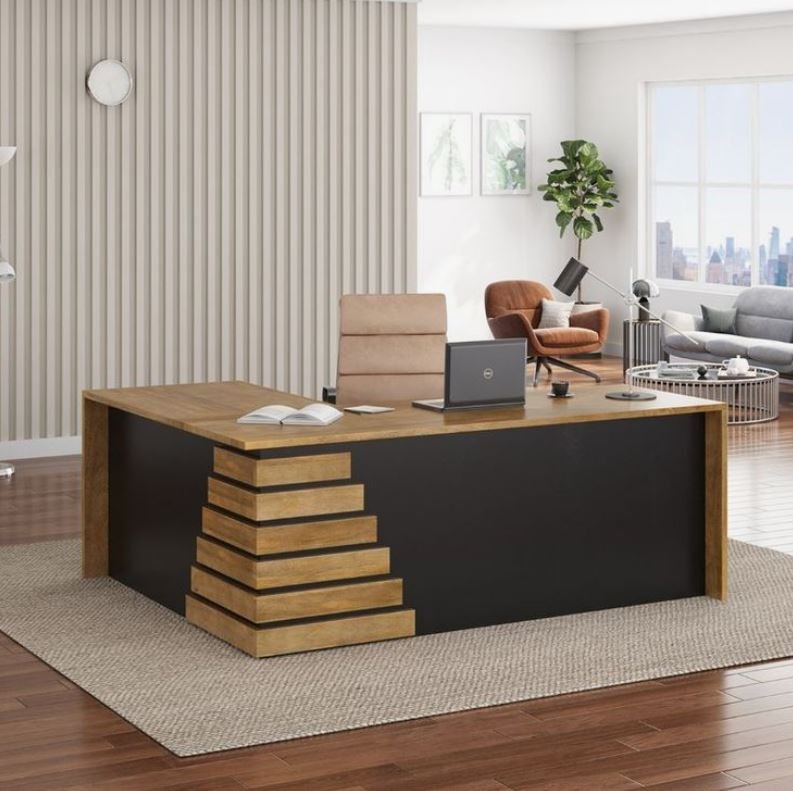
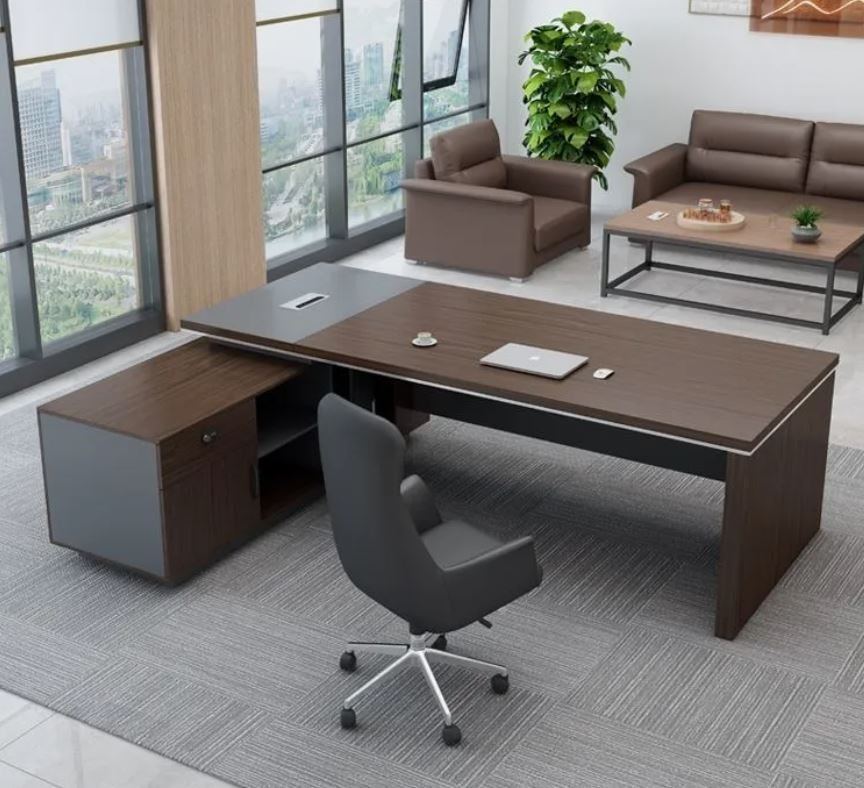
Office desks are among the most important furniture items in university buildings. Faculty members, department coordinators, accountants, and administrative employees need dedicated work surfaces for their daily responsibilities.
A suitable office desk should provide enough space for computers, keyboards, documents, stationery, and other work essentials. Desks with drawers and built-in storage can also help employees keep frequently used materials within reach.
Universities can consider different desk styles depending on available space and departmental requirements. Executive desks are suitable for department heads and university administrators, while compact office desks work well in smaller staff rooms.
Ergonomic Office Chairs for Daily Comfort
University employees often spend several hours working at their desks. Sitting on uncomfortable chairs can make long working sessions difficult and reduce overall workplace comfort.
Ergonomic office chairs are designed to provide better seating support through features such as adjustable seat height, supportive backrests, and appropriate cushioning.
When selecting office chairs, universities should consider:
- Adjustable seat height for different users.
- Supportive backrests for everyday office work.
- Comfortable cushioning and breathable materials.
- Durable bases and reliable adjustment mechanisms.
- Suitable designs for different office environments.
Investing in appropriate seating helps create more comfortable workspaces for academic and administrative personnel.
Conference Tables for Meetings and Discussions
Universities regularly organize departmental meetings, faculty discussions, planning sessions, and administrative conferences. A properly designed conference room makes these activities more organized.
Conference tables should accommodate the expected number of participants while allowing enough space for laptops, documents, and meeting materials.
Rectangular tables are practical for traditional meeting rooms, while modular conference tables provide flexibility for institutions that frequently change their room arrangements.
Matching conference chairs can also create a consistent and professional interior appearance.
Filing Cabinets and Office Storage Solutions
Document management remains an important responsibility for university administration. Departments handle student records, financial documents, employee information, academic reports, and institutional files.
Filing cabinets, mobile pedestals, bookshelves, and storage cupboards help maintain organized workspaces.
Metal filing cabinets are useful for departments that require durable storage, while wooden or laminated cabinets can complement modern office interiors.
Universities should also consider lockable storage options for confidential documents and sensitive administrative records.
Reception Furniture for University Offices
The reception area is often the first point of contact for students, parents, visitors, and external partners. Its appearance can influence how people perceive the institution.
A professional reception desk, comfortable waiting chairs, and organized storage create a welcoming environment.
Reception furniture should combine attractive design with practical functionality. Staff members need enough workspace to manage inquiries, answer calls, organize paperwork, and assist visitors efficiently.
How to Choose the Right Furniture for Different University Departments
A successful university Office Furniture for Universities project begins with understanding how each department operates. Instead of purchasing identical furniture for every room, institutions should select products according to their functional requirements.
Administrative offices: These departments benefit from spacious office desks, ergonomic chairs, filing cabinets, and organized workstations. Furniture should support document management and daily administrative activities.
Faculty offices: Teachers and professors need comfortable desks, supportive seating, bookshelves, and storage for teaching materials. A quiet and organized environment can make lesson preparation and research activities more convenient.
Department head offices: Executive desks, visitor chairs, storage cabinets, and small meeting tables are suitable for offices where leadership activities and private discussions take place.
University conference rooms: Large meeting tables, comfortable chairs, and organized presentation spaces support discussions, planning sessions, and institutional meetings.
Admissions and registrar offices: These departments often experience high visitor traffic. Practical counters, staff workstations, waiting chairs, and secure filing cabinets can improve everyday operations.
Library administration offices: Library managers and support staff need computer desks, filing cabinets, storage shelves, and comfortable seating to manage administrative tasks.
Understanding these differences helps universities avoid unnecessary purchases and make better use of their furniture budgets.
Benefits of Modern Office Furniture for Educational Institutions
Modern furniture offers several advantages beyond improving the appearance of university interiors. When selected carefully, it can support better organization, workplace comfort, and efficient use of available space.
Improved Workplace Productivity
Organized workspaces allow university employees to focus on their responsibilities without unnecessary distractions. Proper desks, comfortable chairs, and accessible storage make daily activities easier to manage.
For example, an administrative employee with an organized workstation can keep important documents, office equipment, and frequently used materials within easy reach.
Better Space Utilization
Universities often operate within buildings that accommodate multiple departments and functions. Choosing appropriately sized furniture helps institutions maximize available floor space.
Compact desks, mobile pedestals, modular workstations, and vertical storage cabinets can be useful in offices with limited room.
Professional Campus Appearance
Consistent furniture designs help create a coordinated appearance across university buildings. Matching office desks, chairs, reception counters, and conference tables can make administrative spaces look more organized.
A professional environment also creates a positive impression during university visits, meetings, and institutional events.
Long-Term Cost Efficiency
Purchasing durable furniture can reduce the frequency of replacements and maintenance expenses. Universities should evaluate material quality, construction, warranties, and expected usage before making purchasing decisions.
Although inexpensive products may appear attractive initially, furniture that cannot withstand regular use may create additional expenses over time.
Important Factors to Consider Before Purchasing University Furniture
Selecting furniture for an educational institution requires careful planning. Procurement teams should evaluate several factors before finalizing their purchases.
Durability and Material Quality
University offices experience regular daily use, so furniture should be made from suitable materials.
Metal frames, quality laminated surfaces, durable hardware, and stable construction can help furniture withstand everyday activities.
When evaluating products, check the quality of joints, edges, handles, drawer mechanisms, chair bases, and other frequently used components.
Ergonomics and Employee Comfort
Comfort should be a major consideration when selecting furniture for faculty and administrative employees.
Chairs with adjustable features, desks with suitable working heights, and properly arranged workstations can support comfortable working conditions.
Institutions should also consider the different physical requirements of their employees when selecting seating and desk configurations.
Budget and Total Ownership Cost
University procurement projects often involve multiple departments and furniture categories. Setting a realistic budget helps institutions prioritize essential purchases.
However, the lowest purchase price should not be the only deciding factor. Delivery, installation, maintenance, replacement requirements, and product warranties should also be considered.
Comparing quotations from suppliers can help procurement teams evaluate the overall value of different furniture options.
Design and Functionality
Furniture should complement the university’s interior design while meeting practical requirements.
Neutral colors, simple finishes, and coordinated furniture styles are suitable for many administrative environments. Functional features such as cable management, drawers, adjustable components, and integrated storage can provide additional convenience.
Space Measurements and Layout Planning
Before ordering furniture, measure the available room dimensions, doorways, walkways, and existing fixtures.
Proper planning helps prevent problems such as oversized desks, restricted movement, and insufficient seating space.
Universities should also consider future expansion when designing furniture layouts, particularly in departments expecting additional staff members.
Custom Office Furniture Solutions for Universities
Every university has different operational requirements, building layouts, and interior preferences. Standard furniture may be suitable for many offices, but some projects require customized solutions.
Custom office furniture can help institutions make better use of unusual room dimensions, accommodate specific departmental requirements, and maintain consistent interior designs.
For example, a university may require a specially sized reception counter, additional storage cabinets, or workstations designed for a shared administrative office.
Modular furniture is another practical option. It allows institutions to rearrange workspaces as departmental needs change. Modular desks and partitions can help create separate working areas without requiring major interior modifications.
Before choosing customized furniture, institutions should confirm measurements, material specifications, finishing options, delivery schedules, and installation requirements.
Office Furniture Trends for Modern University Campuses
University workplaces continue to change as administrative processes, technology, and employee expectations evolve. Modern furniture choices increasingly focus on flexibility, practical storage, comfortable seating, and efficient layouts.
Some important furniture considerations include:
Flexible workstations: Modular desks and movable furniture allow departments to adjust their layouts when staffing requirements change.
Ergonomic seating: Adjustable chairs and supportive seating solutions help accommodate employees with different working preferences.
Minimalist office designs: Simple furniture styles and coordinated finishes create clean and professional administrative environments.
Integrated cable management: Desks with cable management features help keep computer cables and electrical connections organized.
Multifunctional furniture: Storage desks, mobile cabinets, and modular tables help universities maximize the functionality of limited spaces.
Collaborative meeting areas: Flexible conference tables and comfortable seating arrangements support group discussions and departmental coordination.
These considerations can help universities develop workspaces that remain practical as their operational requirements evolve.
Office Furniture Requirements in Manila and Quezon City Universities
Manila and Quezon City are important locations for educational institutions, administrative facilities, and academic organizations in the Philippines. Universities in these areas may need furniture for newly established departments, renovated offices, expanding campuses, and replacement projects.
Space planning is particularly important when furnishing existing university buildings. Institutions should evaluate room dimensions, employee requirements, visitor traffic, and available storage before selecting furniture.
For universities in Manila, practical furniture solutions can help improve administrative offices, faculty rooms, reception areas, and conference spaces.
Similarly, educational institutions in Quezon City can benefit from durable workstations, executive desks, filing cabinets, ergonomic chairs, and modular furniture that supports changing departmental needs.
When comparing suppliers, university procurement teams should evaluate product specifications, available furniture categories, customization options, delivery arrangements, and after-sales support.
Choosing a supplier that understands commercial office furniture requirements can make large furniture projects easier to coordinate.
Common Mistakes to Avoid When Buying University Office Furniture
Furniture purchasing mistakes can lead to unnecessary expenses, poor space utilization, and uncomfortable working environments. Universities should avoid the following issues:
Choosing furniture based only on appearance: Attractive designs are important, but durability, functionality, and comfort should receive equal attention.
Ignoring room measurements: Purchasing furniture without accurate measurements can create overcrowded offices and restricted walkways.
Overlooking storage requirements: Departments that handle large volumes of paperwork need sufficient filing and storage solutions.
Buying unsuitable chairs: Non-adjustable or poorly designed seating may not be appropriate for employees who spend long periods working at desks.
Ignoring future requirements: Furniture should accommodate possible staffing changes, departmental expansion, and office reorganization.
Failing to compare suppliers: Comparing product specifications, warranties, materials, and quotations helps institutions make more informed purchasing decisions.
Avoiding these mistakes allows universities to make better purchasing decisions and create more functional workplaces.
Why Universities Should Work with a Reliable Office Furniture Supplier
A reliable furniture supplier can make a significant difference when planning a university office project. Educational institutions may need multiple furniture categories, consistent product finishes, customized dimensions, and coordinated deliveries.
Working with an experienced supplier helps procurement teams understand available options and select products according to their operational requirements.
Office Furniture Express focuses on the importance of functional and professional office environments. Universities planning new administrative spaces or upgrading existing departments can explore suitable office furniture solutions based on their budgets, layouts, and workplace needs.
Before placing an order, institutions should request detailed product specifications, confirm quantities, review material options, and discuss delivery and installation arrangements.
A clear purchasing process helps ensure that furniture selections meet the practical requirements of the university.
Conclusion
Creating a productive university environment requires more than arranging desks and chairs inside administrative buildings. Every department needs furniture that supports its daily activities, provides appropriate comfort, improves organization, and makes effective use of available space. From ergonomic office chairs and executive desks to conference tables, reception counters, and filing cabinets, the right furniture can contribute to a more professional and efficient campus environment.
Universities in Manila, Quezon City, and other parts of the Philippines should prioritize durability, functionality, space planning, and long-term value when purchasing furniture. Careful supplier evaluation and proper furniture selection can also help institutions manage their budgets while meeting the requirements of faculty members, administrative employees, and visitors.
With practical furniture choices and thoughtful workspace planning, educational institutions can create offices that support their growing operational needs. Office Furniture Express aims to help institutions explore functional office furniture solutions that contribute to organized, comfortable, and professional university workspaces.
Frequently Asked Questions
What furniture is essential for university offices?
Essential furniture includes office desks, ergonomic chairs, filing cabinets, conference tables, reception desks, storage cabinets, and modular workstations.
How do universities choose durable office furniture?
Universities should evaluate construction quality, materials, hardware, product specifications, warranties, and suitability for regular daily use.
Why is ergonomic furniture important for university employees?
Ergonomic furniture supports comfortable working positions and provides adjustable features that accommodate different employees and workplace requirements.
What furniture is suitable for university conference rooms?
Conference tables, comfortable meeting chairs, presentation furniture, and suitable storage solutions are useful for university meeting spaces.
Can universities purchase customized office furniture?
Yes. Customized furniture can accommodate specific room dimensions, departmental requirements, storage needs, and interior design preferences.
What should universities consider when purchasing office furniture in Manila?
Universities should compare furniture quality, pricing, available designs, delivery arrangements, customization options, and after-sales support.
Is modular office furniture suitable for universities?
Yes. Modular furniture offers flexibility and allows universities to rearrange workstations as departments, staffing levels, and workspace requirements change.
How can universities reduce office furniture purchasing costs?
Institutions can establish budgets, prioritize essential items, compare supplier quotations, select durable products, and plan furniture layouts before purchasing.