Skip to main content


A well-designed workplace can make a significant difference in how employees perform, collaborate, and interact with clients. From comfortable seating to functional workstations, every furniture choice contributes to the overall office environment. Businesses need furniture that supports daily operations while maintaining a professional appearance.
Choosing the right Office Furniture for Companies is an important investment for organizations of every size. Whether you operate a startup, manage a growing corporate office, or oversee a large organization, the right furniture helps create an organized, comfortable, and efficient working environment. Companies in Manila and Quezon City, in particular, need practical furniture solutions that suit their available space, workforce requirements, and business operations.
Why Office Furniture Matters for Modern Companies
Office furniture is more than a collection of desks, chairs, and cabinets. It directly influences workplace organization, employee comfort, and the overall impression a business creates. A thoughtfully furnished office allows employees to complete their responsibilities efficiently while providing visitors with a welcoming environment.
For companies with multiple departments, furniture also helps establish clear work zones. Individual workstations provide employees with dedicated spaces, while conference tables support meetings and collaborative discussions. Storage cabinets keep documents organized, and reception furniture creates a professional first impression.
Businesses should consider furniture as a long-term operational investment. Products selected according to workplace requirements can support everyday activities and reduce the need for frequent replacements.
Essential Office Furniture Every Company Needs
Every business has different furniture requirements depending on its workforce, industry, and office layout. However, several furniture categories are essential for creating a functional workplace.
Office Desks and Workstations
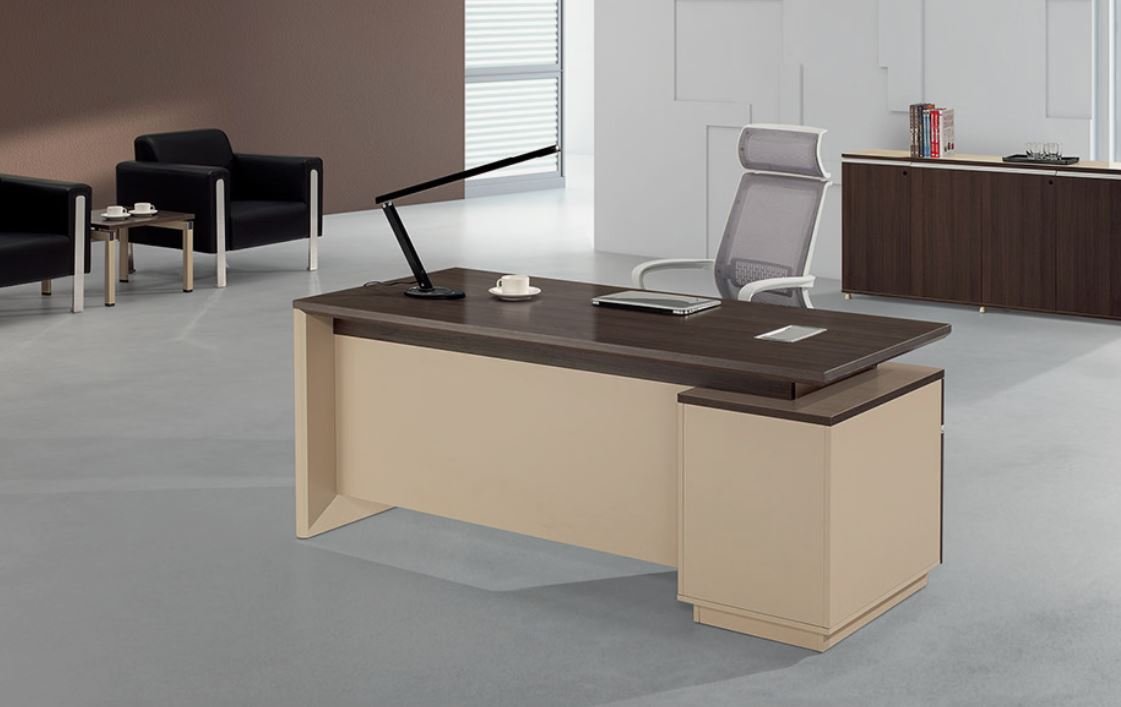
Office desks are among the most important furniture pieces in any professional environment. Employees need sufficient workspace for computers, documents, office supplies, and other equipment.
Companies can choose from individual desks, executive tables, modular workstations, and shared office tables. Modular workstations are particularly useful for businesses that want to accommodate multiple employees without overcrowding the office.
When selecting office desks, consider:
- Available floor space and workstation dimensions.
- Desk height and working comfort.
- Storage options and cable management.
- Material quality and durability.
- Compatibility with existing office layouts.
A suitable workstation arrangement helps employees stay organized and makes better use of available office space.
Ergonomic Office Chairs
Employee comfort should be an important consideration when furnishing a workplace. Office chairs are used throughout the working day, making their design and adjustability particularly important.
Ergonomic office chairs can provide adjustable seat heights, supportive backrests, armrests, and lumbar support. These features allow employees to adjust their seating positions according to their individual requirements.
Companies should consider different chair categories for different purposes. Executive chairs may be suitable for management offices, while mesh chairs and adjustable task chairs can work well in general employee areas.
Visitor chairs are also important because they provide comfortable seating for clients, business partners, and guests.
Conference and Meeting Tables
Meetings are an essential part of business operations. Companies need dedicated spaces where employees can discuss projects, share ideas, and make important decisions.
Conference tables should accommodate the expected number of participants while leaving enough room for movement. Their shape and dimensions should also complement the meeting room layout.
Businesses can select rectangular, oval, round, or modular conference tables depending on their available space and meeting requirements.
Adding suitable meeting chairs, presentation equipment, and organized cable management can further improve the functionality of conference rooms.
Filing Cabinets and Office Storage
An organized office requires appropriate storage solutions. Filing cabinets, mobile pedestals, bookshelves, and storage cupboards help businesses manage documents, office supplies, and equipment.
Companies handling physical records should prioritize secure and accessible storage. Lockable cabinets can help protect confidential documents, while mobile pedestals provide convenient storage near individual workstations.
Vertical storage is another useful option for offices with limited floor space. It allows businesses to organize essential materials without occupying unnecessary areas.
How to Choose the Right Furniture for Your Company
Selecting furniture requires more than comparing designs and prices. Companies should evaluate their workplace requirements before making purchasing decisions.
Understand Your Workplace Requirements
Start by identifying how different departments use their workspaces. Administrative teams may require individual desks and filing cabinets, while creative departments may benefit from collaborative workstations and shared tables.
Management offices may need executive furniture, whereas reception areas require visitor seating and reception counters.
Understanding these requirements helps businesses purchase furniture that serves a clear purpose.
Measure Your Available Office Space
Before ordering furniture, measure the office carefully. Consider the dimensions of individual rooms, doorways, walkways, and shared areas.
Avoid selecting oversized furniture that restricts movement or makes the workplace feel crowded. Employees should have enough room to move between desks, access storage units, and use shared facilities comfortably.
A properly planned layout also makes future office expansion easier.
Prioritize Quality and Durability
Office Furniture for Companies experiences regular use, especially in organizations with large teams. Therefore, companies should evaluate construction quality, materials, hardware, and finishing.
Desks should have stable frames and suitable work surfaces. Chairs should have reliable adjustment mechanisms, while cabinets should provide secure doors and functional storage.
Although lower-priced products may initially appear attractive, businesses should consider expected lifespan and maintenance requirements when comparing options.
Consider Employee Comfort
Comfortable furniture supports a more practical working environment. Adjustable chairs, appropriately sized desks, and suitable workstation arrangements can help employees maintain comfortable working positions.
Companies should also consider lighting, monitor placement, desk organization, and sufficient personal space when planning their offices.
These details contribute to a workplace that supports daily productivity.
Best Office Furniture Solutions for Different Types of Companies
Different organizations have different operational priorities. Choosing furniture according to business requirements helps avoid unnecessary purchases.
Office Furniture for Startups
Startups often operate with limited budgets and changing workforce requirements. Modular desks, affordable ergonomic chairs, and flexible storage solutions can help establish a functional office without requiring a complicated setup.
Expandable furniture is particularly useful because it allows companies to accommodate additional employees as the business grows.
Office Furniture for Corporate Offices
Corporate environments require consistent furniture arrangements across multiple departments. Workstations, executive desks, conference tables, filing cabinets, and reception furniture help create a coordinated professional appearance.
Businesses should prioritize durability, employee comfort, and a consistent design throughout the workplace.
Office Furniture for Schools and Educational Institutions
Schools and educational organizations need furniture that supports administrative operations, staff activities, and daily office management.
Suitable options include administrative desks, office chairs, filing cabinets, meeting tables, and reception counters.
Furniture should be practical, easy to maintain, and appropriate for the intended environment.
Office Furniture for Hospitals and Healthcare Facilities
Healthcare offices require organized and functional furniture for administrative staff, reception teams, and management departments.
Easy-to-clean surfaces, appropriate storage, comfortable seating, and efficient layouts are important considerations.
Furniture should be selected according to the specific requirements of each administrative or professional area.
Office Furniture Trends for Modern Philippine Workplaces
Workplace requirements continue to change as companies adopt new technologies, flexible working arrangements, and modern office layouts.
Several furniture trends are becoming important considerations for businesses in the Philippines.
Flexible workstations: Modular desks and movable furniture allow companies to adjust layouts when teams or operational requirements change.
Ergonomic seating: Adjustable chairs and supportive seating options help create more comfortable working environments.
Space-saving storage: Mobile pedestals, vertical cabinets, and compact storage units help businesses make better use of limited office space.
Collaborative furniture: Shared tables and informal meeting areas support communication between employees and departments.
Minimalist office designs: Clean lines, practical furniture, and coordinated finishes create organized professional environments without unnecessary visual clutter.
Companies in Manila and Quezon City can consider these trends when planning new offices or upgrading existing workplaces.
Office Furniture Planning for Businesses in Manila and Quezon City
Office space requirements can vary significantly between businesses. Companies operating in commercial buildings, business districts, and shared office environments need furniture that fits their available floor area.
In Manila, businesses may need practical solutions for offices where efficient space utilization is important. Compact workstations, vertical filing cabinets, and multifunctional furniture can help maintain an organized environment.
Companies in Quezon City may have different requirements depending on their building layouts, workforce sizes, and business operations. Growing organizations can benefit from modular furniture that supports future expansion.
Before purchasing furniture, businesses should consider:
- The total number of employees.
- Department-wise seating requirements.
- Available office dimensions.
- Storage and document management needs.
- Meeting room requirements.
- Delivery and installation arrangements.
- Future expansion possibilities.
Working with a furniture supplier that understands commercial requirements can help simplify the selection and planning process.
Why Businesses Should Choose a Reliable Office Furniture Supplier
The supplier you choose can influence the overall furniture purchasing experience. Companies often require multiple furniture categories, consistent product specifications, and coordinated delivery arrangements.
A reliable supplier should provide clear product information, material specifications, available dimensions, and transparent pricing.
Businesses should also ask about bulk purchasing options, customization possibilities, delivery schedules, and installation services before confirming an order.
For larger office projects, it is helpful to discuss the complete furniture requirement rather than purchasing individual items without considering the overall layout.
A coordinated purchasing approach can help maintain consistency across departments and make office setup more manageable.
How to Maintain Office Furniture for Long-Term Use
Proper maintenance helps preserve furniture appearance and functionality. Companies should establish simple cleaning and maintenance practices to protect their investment.
Desks and tables should be cleaned with suitable products according to their surface materials. Office chairs should be inspected regularly for loose components, damaged wheels, and adjustment issues.
Storage cabinets should not be overloaded, and their hinges and locking mechanisms should be checked periodically.
Businesses should also encourage employees to use furniture properly. Avoiding excessive weight, protecting surfaces from spills, and reporting minor damage early can help prevent larger maintenance problems.
Regular maintenance is especially important for companies with large workforces because shared furniture may experience frequent use.
Make a Smarter Office Furniture Investment
Choosing the right furniture requires balancing functionality, comfort, appearance, durability, and budget. Companies should focus on products that address their actual workplace needs instead of purchasing furniture based only on appearance or initial price.
From individual workstations and ergonomic chairs to executive desks, conference tables, and storage cabinets, every furniture category should contribute to a more organized working environment.
Businesses planning a new office or upgrading an existing workspace should evaluate their requirements carefully and compare suitable furniture options before making a final decision.
Office Furniture Express can be included in your furniture sourcing considerations when exploring office furniture solutions for professional workplaces. Whether your business operates in Manila, Quezon City, or another location in the Philippines, choosing suitable furniture is an important step toward creating a functional and professional office environment.
Frequently Asked Questions
What type of office furniture do companies need?
Most companies need office desks, ergonomic chairs, workstations, conference tables, filing cabinets, storage units, and reception furniture.
How do companies choose the best office furniture?
Companies should consider employee requirements, available space, furniture quality, comfort, durability, design, and purchasing budget.
Is ergonomic office furniture important for businesses?
Yes. Ergonomic furniture offers adjustable features and supportive designs that help employees maintain more comfortable working positions.
What office furniture is best for small companies?
Compact desks, modular workstations, adjustable chairs, and space-saving storage cabinets are practical choices for smaller offices.
Where can companies buy office furniture in the Philippines?
Businesses can explore established office furniture suppliers serving the Philippines and compare product specifications, customization options, bulk pricing, and delivery arrangements.
How can companies reduce office furniture costs?
Companies can plan purchases according to actual requirements, compare product quality, consider bulk orders, and select durable furniture that offers long-term value.
Why should businesses invest in quality office furniture?
Quality furniture can support everyday workplace activities, improve office organization, provide comfortable working arrangements, and reduce frequent replacement requirements.