Skip to main content


Planning a new office or upgrading an existing workspace requires more than selecting desks and chairs. Businesses need furniture that supports productivity, provides comfort, makes efficient use of available space, and matches their professional environment. Choosing the right Office furniture for projects helps companies create functional workplaces that meet their operational requirements while maintaining a consistent interior design. Whether you are furnishing a corporate office, startup, school, hospital, government facility, or commercial building in Manila or Quezon City, careful furniture planning can make a significant difference in the long-term performance of your workspace.
Understanding Office Furniture for Projects
Office furniture for projects refers to the selection, planning, supply, and installation of furniture for complete workplaces or specific commercial environments. Unlike purchasing a single desk or chair, project-based furniture solutions consider the requirements of an entire office, including employee workstations, executive rooms, meeting areas, reception spaces, and storage facilities.
Every organization has different furniture requirements. A corporate office may need multiple workstations, ergonomic chairs, conference tables, and filing cabinets. A startup might prioritize flexible desks and space-saving furniture, while a school may require durable tables, computer desks, and comfortable seating for administrative departments.
The main objective is to create a coordinated workplace where every furniture item serves a practical purpose. Proper planning also helps businesses manage their budgets, maintain consistent furniture quality, and avoid unnecessary purchases.
Why Proper Furniture Planning Matters for Commercial Projects
Furniture planning plays an important role in the success of an office development project. Poorly selected furniture can create overcrowded work areas, uncomfortable seating arrangements, and inefficient movement between departments. These problems can affect employee productivity and make the workplace less welcoming for visitors and clients.
A well-planned furniture layout helps organizations use their available floor space more effectively. It also allows businesses to identify the correct number of desks, chairs, cabinets, and collaborative furniture before purchasing begins.
For companies operating in Manila and Quezon City, efficient space utilization can be particularly important when furnishing offices in commercial buildings with specific floor area limitations. Measuring the workplace before ordering furniture helps prevent sizing issues and installation delays.
Another important consideration is consistency. Selecting furniture from coordinated designs and finishes creates a professional appearance throughout the workplace. It also makes future expansions easier because additional furniture can be selected to complement the existing setup.
Types of Furniture Required for Office Projects
Different workplace areas require different furniture solutions. Understanding these requirements makes it easier to develop a complete purchasing plan.
Office Workstations and Desks
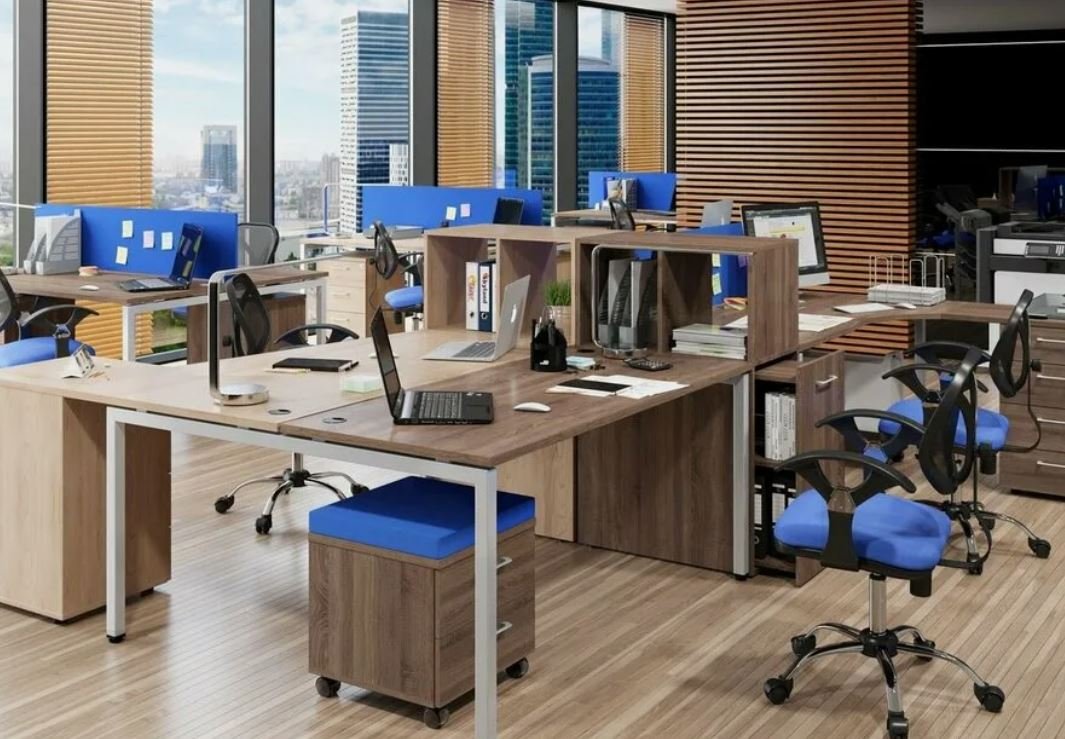
Workstations are among the most important components of any commercial furniture project. They provide employees with dedicated spaces for computers, documents, communication equipment, and daily administrative activities.
Businesses can choose from individual desks, shared workstations, modular office cubicles, and bench-style workstation systems. The right option depends on employee numbers, available floor space, departmental structure, and workplace activities.
Ergonomic Office Chairs
Office chairs directly influence employee comfort during working hours. Adjustable seating, lumbar support, suitable seat dimensions, and stable construction are important features to consider.
For large office projects, selecting consistent chair models can simplify purchasing, maintenance, and future replacements. Ergonomic seating is particularly useful for employees who spend extended periods working at computers.
Conference and Meeting Tables
Meeting rooms require furniture that supports communication, presentations, and collaborative discussions. Conference tables should provide sufficient space for participants while allowing comfortable movement around the room.
The table size and shape should match the number of expected users. Rectangular tables are suitable for many traditional meeting rooms, while modular configurations can offer flexibility for multipurpose spaces.
Reception and Waiting Area Furniture
Reception areas create an important first impression for clients, visitors, and business partners. Reception desks, visitor chairs, waiting sofas, and side tables should reflect the organization’s professional identity.
Comfort, durability, and visual consistency are important when selecting furniture for these spaces.
Office Cabinets and Storage Solutions
Storage furniture helps maintain an organized workplace. Filing cabinets, mobile pedestals, drawer units, lockers, and office cupboards provide designated spaces for documents, stationery, equipment, and personal belongings.
Businesses should consider both current and future storage requirements before selecting cabinet sizes and quantities.
How to Plan an Office Furniture Project Successfully
A successful furniture project starts with a clear understanding of the workplace rather than immediately choosing products. Following a structured process helps businesses reduce purchasing mistakes and improve project coordination.
Assess the Workspace Requirements
Begin by identifying the purpose of each room and department. Determine how many employees will use the office, what activities they perform, and which furniture items are essential.
For example, an accounting department may require individual workstations, ergonomic chairs, and secure document storage. A creative team may benefit from collaborative tables and flexible seating arrangements.
Measure the Available Space
Accurate measurements help ensure that furniture fits the intended layout. Record room dimensions, door openings, windows, columns, electrical outlets, and walkways.
Consider the space needed to open cabinet doors, move chairs, and access shared equipment. A layout that looks attractive on paper must also work comfortably in everyday use.
Establish a Realistic Budget
Set a Office furniture for projects budget based on the project’s size, quality expectations, and operational priorities. Divide the budget into categories such as workstations, seating, meeting furniture, reception furniture, and storage.
It is not always necessary to select the most expensive products. The better approach is to balance construction quality, comfort, durability, appearance, and long-term maintenance requirements.
Select Suitable Materials and Finishes
Furniture materials affect appearance, durability, maintenance, and overall cost. Laminated boards, metal frames, engineered wood, and other commercial-grade materials are commonly considered for workplace environments.
The choice should reflect expected usage. High-traffic areas may require materials that are easier to clean and maintain, while executive offices may prioritize a particular finish or design.
Confirm Delivery and Installation Requirements
Furniture projects often involve several items arriving at different stages. Businesses should establish delivery schedules, installation responsibilities, building access requirements, and any restrictions imposed by property management.
Confirming these details before placing an order can help reduce unnecessary delays and improve coordination.
Office Furniture Solutions for Different Industries
A commercial furniture project should reflect the specific activities and working conditions of the organization. Choosing furniture according to industry requirements helps create a practical environment that supports employees and visitors.
Corporate Offices
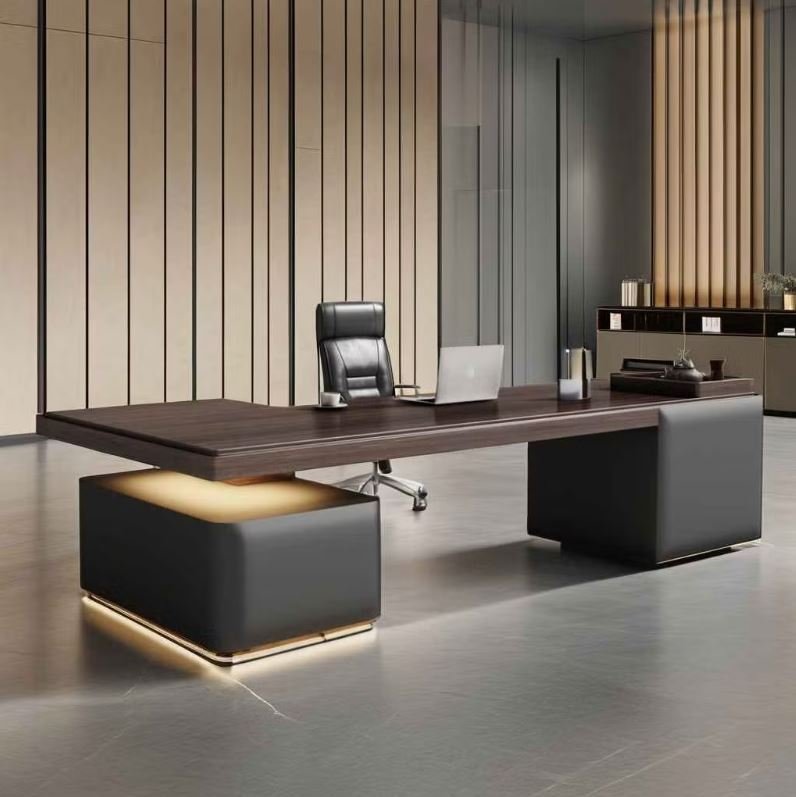
Corporate offices generally require a combination of employee workstations, executive desks, ergonomic chairs, conference tables, reception counters, and storage cabinets. A coordinated furniture arrangement helps departments maintain a consistent professional appearance.
Startups and Small Businesses
Startups often operate in limited spaces and need furniture that supports growth. Modular desks, compact workstations, mobile pedestals, and multipurpose meeting tables can help businesses make better use of their available space.
Schools and Educational Institutions
Schools require durable furniture for administrative offices, computer rooms, faculty areas, and staff spaces. Strong tables, comfortable chairs, storage cabinets, and computer workstations can support daily institutional activities.
Hospitals and Healthcare Facilities
Administrative areas in hospitals need functional desks, visitor seating, filing cabinets, and organized storage solutions. Furniture should be selected according to the facility’s cleaning, maintenance, hygiene, and operational requirements.
Government Offices
Government departments often manage large teams and substantial document storage requirements. Their furniture projects may include staff workstations, executive tables, filing cabinets, conference furniture, and reception seating. Clear product specifications and accurate quantity planning are especially important for procurement.
Choosing the Right Furniture Materials for Long-Term Use
Material selection is an important part of commercial furniture planning. The right materials can help businesses maintain their furniture while managing replacement and maintenance expenses.
Laminated furniture is a popular consideration for offices because it offers different finishes and can complement various interior styles. It is suitable for desks, workstations, cabinets, and other furniture items when the product construction matches the intended usage.
Metal furniture is another practical option for environments that require sturdy construction. Metal frames and storage cabinets can be useful in administrative departments, schools, and other high-use areas.
Engineered wood products provide flexibility in furniture design and are available in different colors and finishes. Businesses should check the board thickness, edge finishing, hardware quality, and overall construction before making a purchasing decision.
For every project, consider the following factors:
- Expected daily usage and workload.
- Strength and stability of furniture construction.
- Ease of cleaning and maintenance.
- Resistance to ordinary workplace wear.
- Availability of suitable replacement parts.
- Compatibility with the office interior design.
Selecting furniture based on these factors can help organizations make more informed purchasing decisions.
Common Mistakes to Avoid in Office Furniture Projects
Even well-funded office projects can experience problems when furniture planning is rushed. Understanding common mistakes can help businesses avoid unnecessary costs.
Purchasing Furniture Without Measuring the Office
One of the most common mistakes is ordering desks and cabinets without checking room dimensions. Oversized furniture can restrict movement and reduce available working space. Always confirm measurements before finalizing an order.
Focusing Only on the Initial Price
Low prices may appear attractive, particularly when purchasing furniture in large quantities. However, businesses should also consider product construction, comfort, expected lifespan, and maintenance requirements. Comparing specifications provides a better understanding of overall value.
Ignoring Employee Comfort
Furniture should support the people who use it every day. Selecting unsuitable chairs or desks can make routine tasks less comfortable. Ergonomic considerations should remain an important part of every workplace project.
Forgetting Future Expansion
Businesses may increase their employee numbers or introduce new departments over time. A furniture layout that allows future additions can reduce the need for major changes later.
Not Confirming Delivery Details
Large furniture orders require proper coordination. Businesses should confirm product quantities, delivery schedules, installation arrangements, and site access before the project begins.
How to Compare Office Furniture Suppliers for Large Projects
Choosing a suitable furniture supplier is just as important as selecting the furniture itself. A reliable supplier should understand the requirements of commercial buyers and provide clear information throughout the purchasing process.
Before making a decision, consider these points:
- Product selection: Check whether the supplier offers desks, workstations, chairs, cabinets, meeting tables, and other required categories.
- Customization: Ask whether furniture dimensions, finishes, colors, or configurations can be adjusted.
- Product specifications: Request details about materials, measurements, construction, and included features.
- Quotation transparency: Compare item descriptions, quantities, prices, delivery charges, and installation costs.
- Project coordination: Confirm how bulk orders and delivery schedules will be managed.
- Warranty and support: Understand the warranty coverage, maintenance guidance, and after-sales arrangements.
For businesses in Manila and Quezon City, discussing the project requirements in advance can help establish whether a supplier is suitable for the location, order size, and expected timeline.
Office Furniture for Projects in Manila and Quezon City
Manila and Quezon City have diverse commercial environments, including corporate offices, educational institutions, government facilities, healthcare organizations, and growing businesses. Each type of workplace requires furniture that matches its available space and daily operations.
In Manila, businesses may need complete furniture arrangements for corporate offices, commercial establishments, and administrative departments. Planning should account for room dimensions, employee capacity, furniture movement, and delivery coordination.
In Quezon City, office furniture projects may involve startups, established companies, schools, healthcare facilities, and institutional workplaces. Modular workstations, conference furniture, storage cabinets, and ergonomic seating can help organizations create more organized environments.
When planning a local project, buyers should provide accurate site measurements, delivery information, furniture quantities, and preferred specifications. These details make it easier to prepare a suitable quotation and determine the requirements before purchasing.
How Bulk Office Furniture Purchasing Benefits Businesses
Purchasing furniture for an entire office can be more complicated than buying individual products. A coordinated bulk purchasing approach helps businesses manage the process more efficiently.
First, it allows organizations to prepare a complete list of required items. This reduces the possibility of ordering duplicate products or overlooking important furniture categories.
Second, selecting furniture together makes it easier to maintain consistent colors, materials, and designs across different departments. A uniform appearance can strengthen the professional identity of the workplace.
Third, consolidated purchasing can simplify communication with suppliers. Instead of coordinating multiple separate orders, businesses can discuss quantities, specifications, and delivery requirements as part of one project.
However, bulk purchasing should always be based on actual requirements. Ordering unnecessary furniture simply to increase quantities can waste valuable space and budget.
Frequently Asked Questions About Office Furniture for Projects
What is included in an office furniture project?
An office furniture project can include workstations, office desks, ergonomic chairs, conference tables, reception counters, filing cabinets, storage units, and other workplace furniture.
How do I plan furniture for a large office?
Start by measuring the available space, identifying employee requirements, selecting furniture categories, establishing a budget, and preparing a detailed quantity list.
Can office furniture be customized for commercial projects?
Yes. Depending on the supplier’s capabilities, businesses may request specific dimensions, finishes, colors, workstation configurations, and storage arrangements.
What furniture is best for corporate offices?
Corporate offices commonly require ergonomic chairs, employee workstations, executive desks, meeting tables, reception furniture, and organized storage solutions.
How can businesses reduce office furniture project costs?
Businesses can compare supplier quotations, prioritize essential furniture, select durable materials, plan quantities accurately, and consider coordinated bulk purchasing.
Where can businesses find office furniture for projects in Manila?
Businesses can explore commercial furniture suppliers serving Manila and compare their product selections, customization options, delivery arrangements, and project quotations.
Why is ergonomic furniture important for office projects?
Ergonomic furniture supports comfortable working positions and allows employees to adjust their seating and work surfaces according to their needs.
What should I check before ordering office furniture in bulk?
Confirm product dimensions, materials, construction quality, quantities, pricing, warranty conditions, delivery schedules, and installation arrangements.
Build a Functional Workplace with the Right Furniture
A successful office furniture project requires thoughtful planning, suitable product selection, and attention to the needs of employees and visitors. From individual workstations and executive desks to conference tables, reception furniture, and storage cabinets, every item should contribute to a comfortable and organized working environment.
Businesses should consider their available space, operational requirements, budget, furniture quality, and future expansion plans before making purchasing decisions. Working with a supplier that understands commercial furniture requirements can also make the procurement process more organized and manageable.
Whether you are furnishing a startup, corporate office, school, hospital, or government facility in Manila or Quezon City, choosing the right furniture can support long-term workplace efficiency. Office Furniture Express aims to help businesses explore suitable furniture options for their project requirements and create professional spaces that serve their everyday needs.