Skip to main content
Choosing the right furniture is an important step in creating a comfortable, organized, and productive workplace. Every business has different requirements depending on its available space, team size, daily operations, and interior design preferences. Customized Furniture Philippines is an ideal solution for companies that want furniture designed around their specific needs rather than relying entirely on standard, ready-made products. From executive desks and office workstations to reception counters and meeting tables, customized furniture helps businesses make better use of their space while maintaining a professional appearance.
Why Customized Furniture Is Important for Modern Offices
Modern workplaces require furniture that supports productivity, comfort, and efficient space management. Standard furniture may not always fit the dimensions of an office or match its functional requirements. Customized options allow businesses to select suitable sizes, materials, finishes, storage features, and layouts based on how their employees work.
For example, a growing company may need shared workstations that accommodate several employees without overcrowding the office. A corporate office may prefer executive desks with integrated storage, while a small business may need compact tables that leave enough room for movement. Customized furniture makes it easier to address these different requirements.
Businesses in Manila and Quezon City can benefit from thoughtful furniture planning, especially when working with limited floor space or designing offices for specific departments. By choosing furniture that fits the available area, companies can create organized environments that support daily activities and provide a better experience for employees and visitors.
Benefits of Customized Furniture Philippines for Businesses
One of the main advantages of customized furniture is flexibility. Businesses can select furniture dimensions and configurations that suit their operations instead of adjusting their entire office layout around standard products. This flexibility is particularly useful for offices with unusual floor plans, narrow spaces, or specialized storage requirements.
Another benefit is improved organization. Custom desks, cabinets, pedestals, and shelving units can be designed to accommodate documents, computer equipment, office supplies, and other essential items. When everything has a designated place, employees can maintain cleaner workstations and spend less time searching for materials.
Customized furniture also gives businesses greater control over their interior appearance. Companies can coordinate colors, materials, and finishes with their branding and existing office design. A consistent furniture style can help create a professional atmosphere for employees, customers, business partners, and potential clients.
Durability is another important consideration. Selecting suitable materials and construction methods for the intended use can help furniture withstand everyday office activities. Although customized furniture may require a higher initial investment than some ready-made alternatives, the right design can provide long-term value when it meets the business’s needs and is properly maintained.
Types of Customized Office Furniture to Consider
Different departments require different furniture solutions. Understanding the purpose of each area helps businesses choose suitable products and avoid unnecessary purchases.
Customized Office Desks
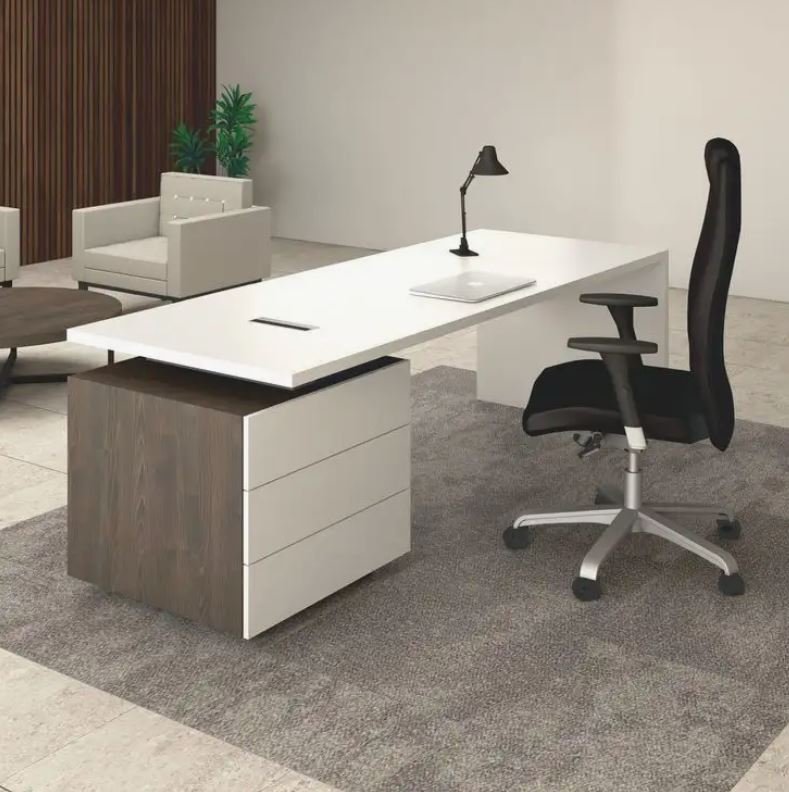
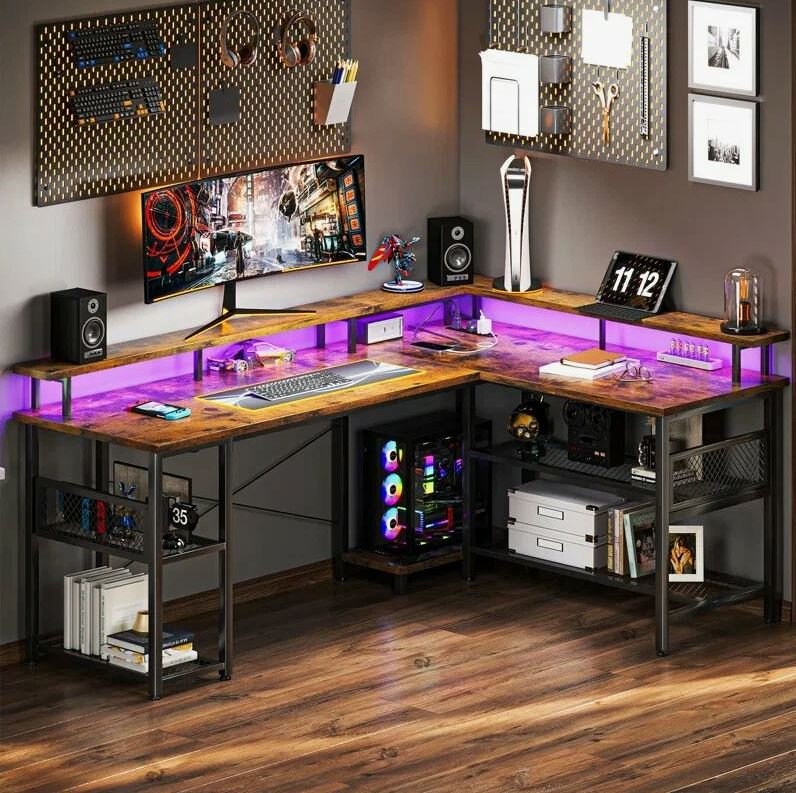
Office desks are essential for employees who perform computer-based tasks, administrative work, meetings, and planning. Customized desks can be designed with appropriate working surfaces, cable management features, drawers, and storage compartments.
Businesses can choose desk sizes based on available floor space and the equipment employees use. A compact desk may work well for a small workstation, while a larger executive desk may provide additional room for documents, monitors, and meetings.
Customized Office Workstations
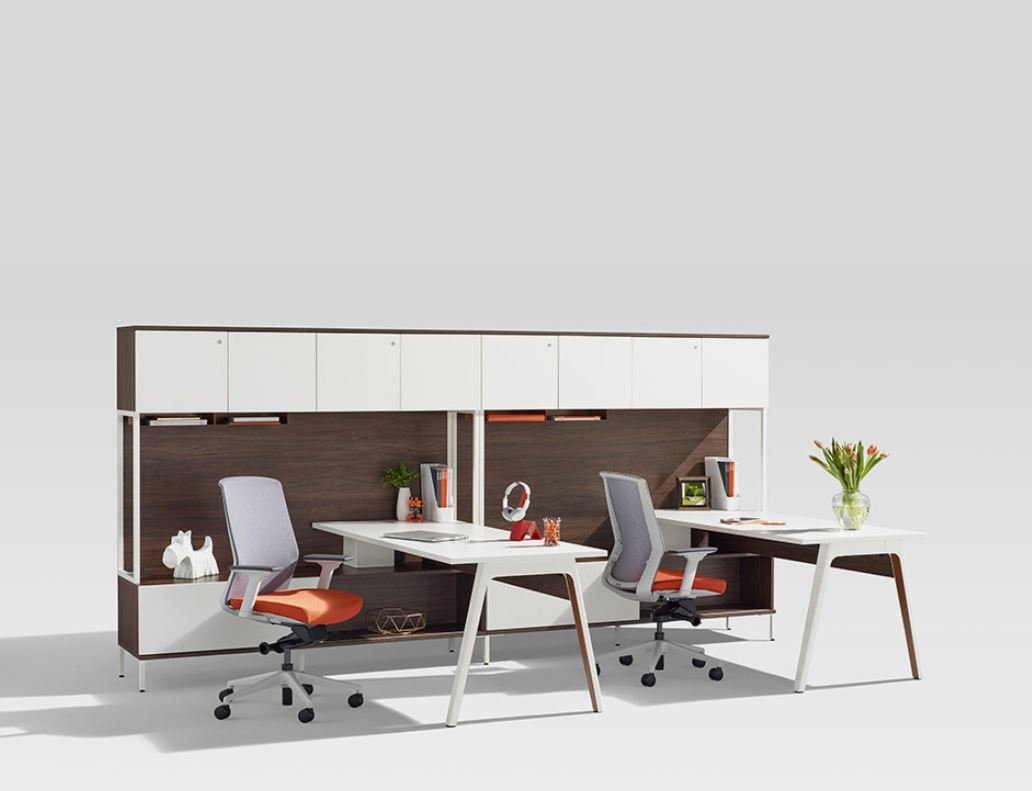
Workstations are useful for companies that need to accommodate multiple employees in a shared environment. Customized workstation layouts can help balance individual working space with collaboration and accessibility.
Options may include shared desk configurations, modesty panels, privacy screens, integrated storage, and cable management. Before selecting a design, businesses should consider employee movement, access to power outlets, monitor placement, and the need for quiet working areas.
Customized Conference and Meeting Tables
Meeting rooms support presentations, interviews, team discussions, and client consultations. A customized conference table can be designed according to the number of expected participants and the dimensions of the room.
Businesses may choose rectangular, oval, or other suitable configurations depending on their meeting style. Cable access for laptops and presentation equipment can also help maintain an organized table surface.
Customized Reception Counters
The reception area often creates a visitor’s first impression of a business. A well-designed reception counter can support daily administrative tasks while complementing the office interior.
Customized reception desks can include storage compartments, work surfaces, equipment space, and suitable counter heights. The design should also account for staff comfort, visitor accessibility, and the available entrance area.
Customized Cabinets and Storage Units
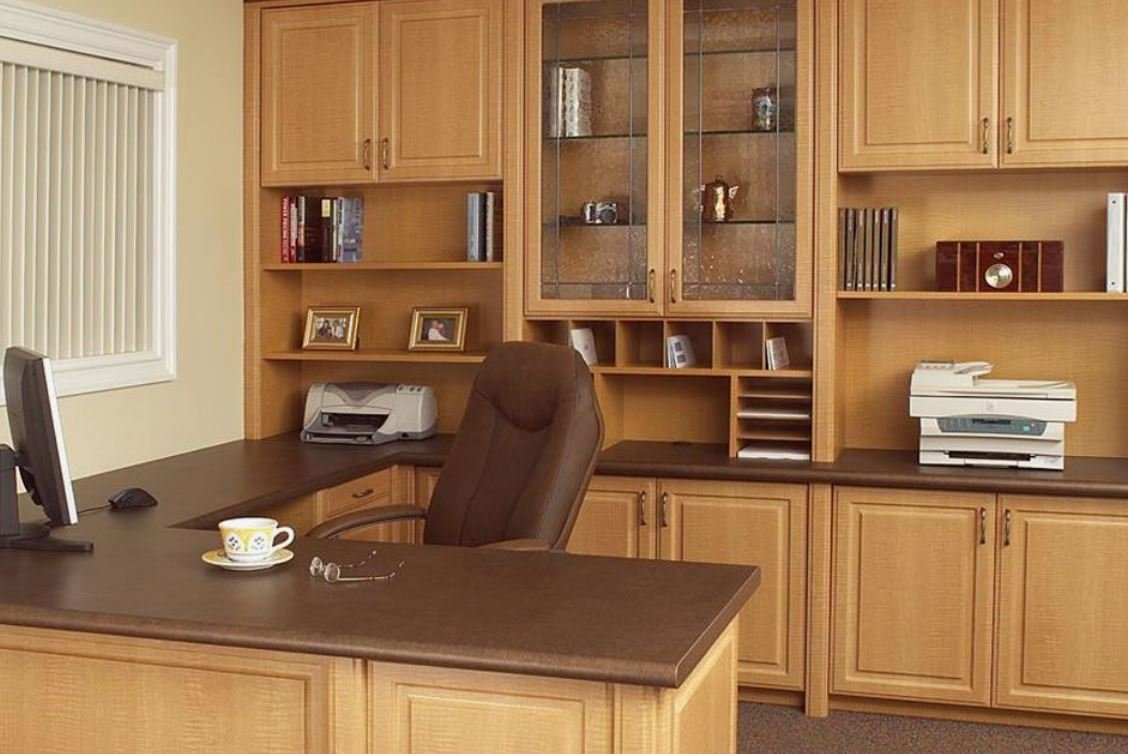
Storage furniture helps businesses keep important documents, office supplies, equipment, and personal belongings organized. Customized cabinets can be designed around specific storage needs, whether a company requires filing drawers, adjustable shelves, lockable compartments, or overhead storage.
Properly planned storage can reduce clutter and help maintain a more functional office environment. Businesses should also consider accessibility, ventilation where needed, and the weight that shelves must support.
How to Choose the Right Customized Furniture for Your Office
Selecting Customized Furniture Philippines requires more than comparing appearances and prices. Businesses should evaluate how each item will be used and whether it will continue to meet their requirements as the organization grows.
Start by measuring the available space. Record room dimensions, doorways, columns, windows, electrical outlets, and other features that could affect furniture placement. A detailed layout can help prevent problems during installation and ensure that employees have enough room to move comfortably.
Next, identify the main purpose of each furniture item. A desk used for computer work may need cable management and monitor space, while a reception counter may require secure storage and an accessible visitor-facing surface. Clear requirements make it easier to compare designs and communicate expectations to a furniture supplier.
Material selection is equally important. Laminated boards, engineered wood, solid wood, metal, and other materials offer different combinations of appearance, durability, maintenance requirements, and cost. The most suitable option depends on the intended use, environmental conditions, expected workload, and available budget.
Ergonomics should also be part of the decision. Desk height, chair compatibility, legroom, monitor positioning, and access to frequently used items can influence employee comfort. Customized furniture should support a practical working posture rather than simply fitting the office dimensions.
Finally, confirm the delivery schedule, installation arrangements, warranty terms, and after-sales support before placing an order. These details help businesses plan office setup and reduce the risk of unexpected delays or additional expenses.
Customized Furniture for Offices in Manila and Quezon City
Businesses operating in Manila and Quezon City have a wide range of workplace requirements. Corporate offices may need coordinated furniture for several departments, while startups may prioritize flexible layouts that can accommodate future hiring. Schools, hospitals, government offices, and professional service providers may also require furniture designed for their specific daily activities.
In busy commercial areas, efficient use of floor space can be particularly important. Carefully measured desks, compact storage units, and appropriately arranged workstations can help offices maintain clear walkways and comfortable working areas.
Companies planning a new office or renovating an existing workspace should consider the entire layout before selecting individual furniture pieces. Desks, chairs, cabinets, meeting tables, and reception counters need to work together as part of a functional environment. Coordinating these items can also help maintain a consistent interior style.
For organizations managing multiple departments or locations, documenting furniture specifications can make future purchasing decisions easier. Standardized dimensions, materials, and finishes can support consistency while allowing adjustments for individual rooms.
Factors That Affect Customized Furniture Costs in the Philippines
The cost of customized furniture depends on several factors, so businesses should evaluate the full requirements rather than relying on a single estimated price.
Material selection is one of the main considerations. Different materials have different costs, finishes, maintenance needs, and expected service lives. More complex designs may also require additional fabrication time and specialized components.
Furniture dimensions influence the quantity of materials required. Larger desks, conference tables, and storage cabinets generally require more resources than compact alternatives. Additional features, such as lockable drawers, cable openings, integrated shelving, and specialized hardware, can also affect the final quotation.
Order quantity is another factor. Businesses purchasing furniture for an entire office should request a detailed quotation that explains the products, specifications, delivery arrangements, and installation costs included in the price.
To manage the budget effectively, prioritize essential functions before selecting decorative additions. Requesting a breakdown of costs and comparing specifications can help decision-makers understand what they are paying for. The lowest quotation is not always the best value if the furniture does not meet the required dimensions, durability, or functionality.
Common Mistakes to Avoid When Ordering Customized Furniture
One common mistake is ordering furniture before measuring the office properly. Even attractive furniture can create problems if it blocks walkways, restricts access to storage, or leaves insufficient room for chairs and equipment.
Another mistake is focusing only on appearance. Furniture must support daily activities, provide appropriate storage, and work with the equipment employees use. A visually appealing desk may be unsuitable if it lacks enough working surface or creates cable management problems.
Ignoring material quality can also lead to unnecessary replacement costs. Businesses should ask about construction, edge finishing, hardware, load capacity where relevant, and care requirements before making a decision.
It is also important to avoid unclear specifications. Verbal descriptions alone may lead to misunderstandings about dimensions, colors, materials, and included features. Written specifications and approved drawings, where appropriate, help ensure that the final product matches the agreed requirements.
Lastly, businesses should not overlook future needs. A growing company may benefit from modular workstations, flexible desk arrangements, or storage systems that can adapt to changes in team size and office organization.
Why Work With Office Furniture Express?
Choosing a furniture provider involves more than finding products that match an office’s style. Businesses need clear communication, suitable product options, reliable specifications, and practical guidance throughout the purchasing process.
Office Furniture Express can be considered by businesses exploring furniture solutions for their workplaces in the Philippines. When evaluating a supplier, decision-makers should discuss their office dimensions, preferred designs, material requirements, budget, quantity, and expected delivery schedule.
It is helpful to prepare a list of furniture requirements before requesting a quotation. Include the number of desks, workstations, chairs, cabinets, and meeting tables needed, along with any special features. Sharing a floor plan or measurements can also help the supplier understand the project more clearly.
Businesses should confirm which customization options are available and request written details about pricing, production timelines, installation, warranties, and after-sales support. These steps make it easier to evaluate whether the proposed solution matches the company’s operational needs.
For companies planning a new office, expanding an existing workspace, or replacing outdated furniture, a well-defined furniture plan can make the purchasing process more efficient and predictable.
How Customized Furniture Supports Long-Term Workplace Productivity
A well-planned office environment can help employees complete tasks more comfortably and maintain better organization throughout the working day. Suitable desk dimensions, accessible storage, organized cables, and clear walkways contribute to a workspace that supports daily operations.
Furniture can also influence collaboration. Shared workstations may help teams communicate efficiently, while dedicated meeting tables provide space for discussions and planning. Quiet work areas, private desks, and organized reception spaces can support different activities within the same office.
Maintenance should be included in the long-term plan. Regular cleaning, proper use, timely hardware adjustments, and adherence to material care instructions can help preserve the appearance and functionality of furniture. Businesses should also review their layouts periodically to determine whether furniture still meets changing operational requirements.
The best results come from balancing comfort, durability, design, and cost. Instead of purchasing furniture based solely on short-term trends, companies should focus on practical solutions that remain useful as their teams and workflows evolve.
Conclusion
Investing in customized office furniture allows businesses to create workspaces that reflect their operational needs, available space, and professional identity. From desks and workstations to reception counters and storage cabinets, carefully selected furniture can improve organization, support employee comfort, and make better use of office space.
When exploring Customized Furniture Philippines, businesses should prioritize accurate measurements, suitable materials, functional designs, transparent quotations, and dependable after-sales support. Companies in Manila and Quezon City can benefit from planning their furniture requirements before making purchasing decisions.
Office Furniture Express is a brand businesses can consider when exploring office furniture options. By clearly defining project requirements and evaluating available solutions, organizations can make informed decisions that support productivity, efficient space management, and long-term value.