Skip to main content


Accounting firms require a professional, comfortable, and well-organized working environment. Accountants handle financial records, tax documents, client information, reports, invoices, and other important paperwork every day. Their office setup should make these responsibilities easier while providing employees with a comfortable place to work. Choosing the right Furniture for Accounting Firms helps businesses create functional workspaces that support productivity, organization, privacy, and professional client service.
Whether you operate a small accounting practice, a growing financial consultancy, or a large corporate accounting department, the furniture you select can influence how efficiently your office functions. From ergonomic office chairs and spacious desks to filing cabinets and meeting tables, every piece should serve a practical purpose. A carefully planned office also creates a positive impression on clients who visit for consultations, financial advice, and business discussions.
Why Accounting Firms Need Specialized Office Furniture
Accounting offices have different furniture requirements compared with many other workplaces. Employees often spend extended periods working on computers, reviewing financial statements, preparing reports, and organizing confidential documents. Their workstations must provide enough space for computers, monitors, calculators, files, and everyday office supplies.
Suitable furniture helps employees maintain an organized working environment. Spacious desks reduce unnecessary clutter, while storage cabinets make it easier to arrange paperwork and office materials. Comfortable seating also supports employees during long working hours.
Another important consideration is professionalism. Clients visiting an accounting firm expect a clean and organized environment. Well-designed furniture can make reception areas, consultation rooms, and private offices look more welcoming. Businesses in Manila and Quezon City can benefit from selecting furniture that balances professional appearance with practical workplace requirements.
Essential Furniture for Accounting Firms
Setting up an accounting office requires more than purchasing a few desks and chairs. Each department and working area may have different requirements. Understanding the purpose of every space helps businesses choose suitable furniture without spending money on unnecessary items.
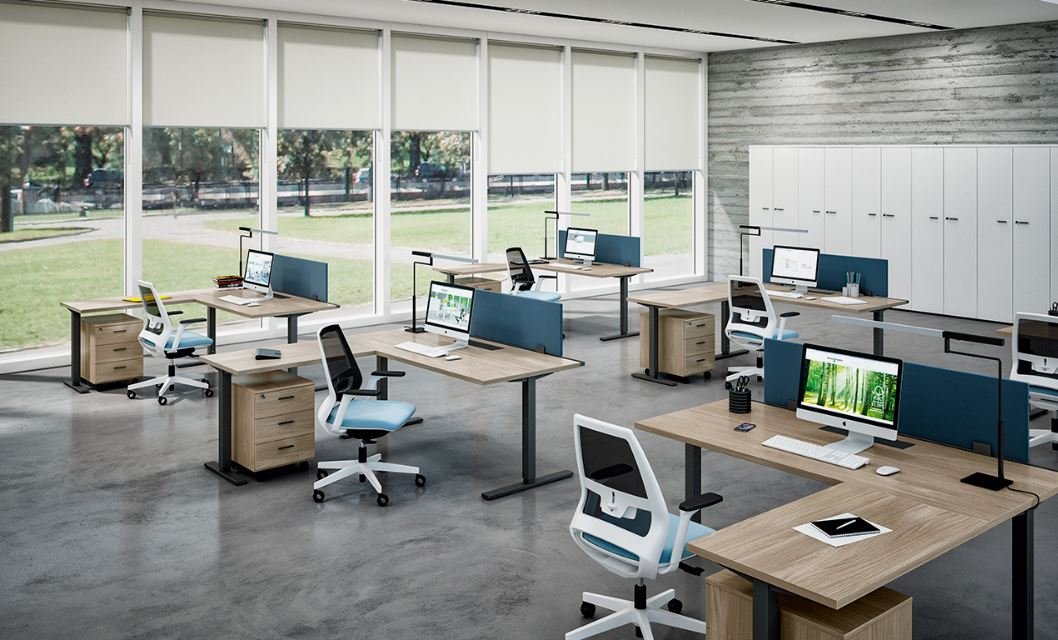
Office desks are among the most important furniture pieces. Accountants need sufficient surface space for computers, documents, calculators, and other equipment. Desks with built-in drawers can provide convenient storage for frequently used materials. Businesses with limited floor space may consider compact desks that provide functionality without overcrowding the office.
Ergonomic office chairs are equally important. Employees who spend most of their working hours sitting should have chairs with adjustable seat height, supportive backrests, and comfortable cushioning. Adjustable features allow different employees to find a suitable seating position. Investing in appropriate chairs can also make daily office tasks more comfortable.
Filing cabinets are another essential requirement. Accounting firms frequently handle invoices, tax records, contracts, financial statements, and other business documents. Dedicated filing systems help employees organize paperwork and locate important records when needed. Lockable cabinets can provide an additional layer of physical security for sensitive documents.
Mobile pedestals, storage cabinets, computer tables, and meeting tables can complete the office setup. Selecting furniture according to actual business requirements helps create a workspace that remains organized and functional.
Choosing the Right Office Desks for Accountants
An accountant’s desk should support daily tasks without creating unnecessary limitations. Employees may need space for multiple monitors, keyboards, financial documents, calculators, notebooks, and office accessories. A desk that is too small can make the working area uncomfortable and difficult to organize.
Before purchasing office desks, consider the type of work employees perform. Accountants who regularly review printed documents may require larger surfaces than employees who primarily work with digital financial records. Managers and senior accountants may also need additional desk space for reviewing reports and discussing projects with clients.
Desk storage is another factor worth considering. Built-in drawers can hold stationery, personal items, and frequently used documents. Separate mobile pedestals provide additional flexibility because employees can position them according to their workspace requirements.
The overall desk design should also match the available office area. Compact desks may work well in smaller accounting practices, while larger workstations can support employees in established financial departments.
The Importance of Comfortable Seating in Accounting Offices
Comfortable seating should be a priority when furnishing an accounting workplace. Employees often perform detailed tasks that require concentration and extended periods at a computer. An unsuitable chair can make it difficult to maintain a comfortable working position throughout the day.
When selecting office chairs, look for adjustable seat height, suitable lumbar support, stable construction, and comfortable materials. A chair with adjustable features can accommodate different employee heights and preferences.
Executive chairs may be appropriate for partners, directors, and senior accountants who require dedicated private offices. Staff members can benefit from ergonomic task chairs designed for everyday computer work. Visitor chairs should also be considered for consultation rooms and reception areas.
Businesses should evaluate chair quality, maintenance requirements, and durability before making bulk purchases. Choosing suitable seating helps create a more comfortable environment for employees and visitors.
Filing Cabinets and Storage Solutions for Financial Documents
Document management is an important part of accounting operations. Even when firms use digital accounting software, physical paperwork may still include contracts, receipts, signed documents, invoices, and archived financial records.
Furniture for Accounting Firms provide a practical way to organize these materials. Vertical filing cabinets can be useful in offices where floor space is limited, while lateral cabinets may provide convenient access to frequently used documents.
Accounting firms should consider the following storage options:
- Filing cabinets: Suitable for organizing financial documents, invoices, and business records.
- Mobile pedestals: Useful for storing stationery and frequently accessed paperwork near employee desks.
- Storage cabinets: Provide space for office supplies, archived files, and equipment.
- Open shelving: Helps organize reference materials, folders, and regularly used resources.
- Lockable cabinets: Offer controlled physical access to confidential paperwork.
The storage system should reflect the firm’s document-handling procedures. Businesses should also follow appropriate privacy, retention, and document-security policies instead of relying on furniture alone to protect sensitive information.
Designing a Professional Reception Area for Accounting Firms
The reception area is often the first space clients experience when visiting an accounting office. Its design should communicate professionalism, organization, and attention to detail.
A suitable reception desk gives front-office employees enough space for computers, telephones, documents, and other essential equipment. The desk should also provide a practical working arrangement without making the entrance feel crowded.
Comfortable visitor chairs or a small waiting-area sofa can make clients feel welcome. A coordinated coffee table, storage cabinet, and suitable lighting can further improve the appearance of the space.
Accounting firms should avoid filling reception areas with unnecessary furniture. A clean layout with sufficient walking space creates a more professional atmosphere. Businesses operating in commercial buildings across Manila and Quezon City should also consider available floor space, building access, and visitor movement when planning their reception furniture.
Furniture for Private Offices and Client Consultation Rooms
Accounting firms often require private spaces for meetings, financial discussions, and confidential consultations. These rooms should provide appropriate furniture for both employees and visitors.
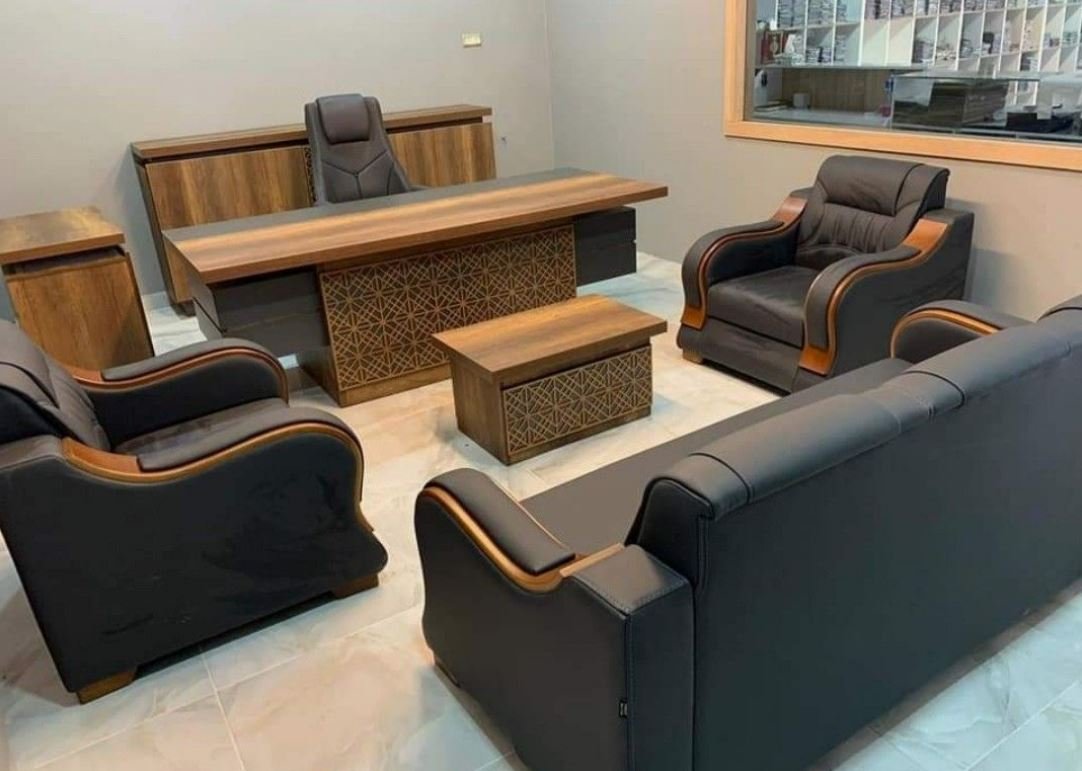
An executive desk can serve as the main working area for an accounting partner or senior manager. Comfortable executive seating supports everyday office activities, while visitor chairs provide suitable seating during client appointments.
A small meeting table can be useful for reviewing financial documents, discussing business accounts, and explaining reports. Storage cabinets can keep frequently used reference materials and office supplies organized.
Privacy should also influence the furniture layout. Desks and seating should be positioned to support comfortable discussions without unnecessarily exposing confidential paperwork to people outside the room.
For firms that regularly meet multiple clients, a dedicated consultation room can make office operations more organized. Choosing furniture that matches the room’s dimensions helps maintain both functionality and a professional appearance.
Space-Saving Furniture Ideas for Small Accounting Offices
Not every accounting firm operates from a large commercial office. Startups, independent accountants, and small financial consultancies may work from compact spaces where every square meter matters.
Space-saving furniture can help these businesses create functional workstations without overcrowding the office. Compact desks, mobile storage units, vertical cabinets, and modular workstations are useful options.
Wall-mounted shelves can provide additional storage without occupying valuable floor space. Mobile pedestals can be moved when employees need to rearrange their workstations. Modular furniture can also support future expansion when the business hires additional staff.
Before purchasing furniture, measure the available area and identify doors, windows, electrical outlets, and walkways. Consider the space required for office chairs when employees sit down or move away from their desks.
A well-planned small office can provide the same professional experience as a larger workplace when furniture selection and arrangement are handled carefully.
How to Choose Durable and Cost-Effective Accounting Office Furniture
Furniture purchases should be treated as a long-term business investment. Selecting products based only on their initial prices may lead to additional replacement and maintenance expenses.
Businesses should compare construction quality, materials, dimensions, warranties, and maintenance requirements before making a decision. Desks should have stable frames and durable surfaces that can handle regular office use. Chairs should have reliable adjustment mechanisms and suitable support. Cabinets should provide secure and practical storage.
It is also useful to consider how furniture will be cleaned and maintained. Surfaces that are easy to maintain can help businesses keep their offices presentable with less effort.
For larger accounting firms, purchasing furniture in coordinated quantities may help create a consistent appearance across departments. However, each department’s actual requirements should be evaluated before placing a bulk order.
A balanced purchasing decision considers durability, employee comfort, available space, and the company’s budget rather than focusing on price alone.
Important Factors When Buying Furniture in Manila and Quezon City
Businesses looking for office furniture in Manila and Quezon City should consider several practical factors before selecting a supplier. Furniture dimensions, product availability, delivery arrangements, installation requirements, and building restrictions can all influence a purchasing decision.
Commercial offices may have specific delivery schedules and loading-area requirements. Some buildings also have restrictions regarding elevator access, furniture movement, and installation hours. Confirming these details before ordering can help prevent unnecessary delays.
Companies should prepare a furniture list that includes the number of desks, chairs, filing cabinets, workstations, and meeting tables required. Having an accurate list makes it easier to compare quotations and evaluate different furniture options.
It is also helpful to request product specifications before purchasing. Information about dimensions, materials, finishes, storage capacity, and available configurations allows businesses to make informed decisions.
Working with an experienced office furniture supplier can simplify the selection process, especially when furnishing an entire accounting department or setting up a new commercial office.
Creating a Productive Accounting Workplace with the Right Furniture
A productive accounting office depends on more than technology and financial software. The physical workspace also influences how employees organize documents, complete daily responsibilities, communicate with colleagues, and serve clients.
Well-selected desks provide sufficient working space, ergonomic chairs support comfortable seating, and filing cabinets help maintain organized records. Meeting tables and consultation furniture create suitable environments for discussions, while reception furniture improves the visitor experience.
Businesses should review their current office arrangement regularly. As accounting teams grow, their furniture requirements may change. Additional workstations, storage units, and meeting areas may become necessary. Modular furniture and flexible layouts can make future adjustments easier.
The best approach is to select furniture according to the actual needs of employees and the available office space. This creates a workplace that supports daily operations while maintaining a professional appearance.
Conclusion
Choosing the right Furniture for Accounting Firms is an important step toward building an organized, comfortable, and professional workplace. From spacious office desks and ergonomic chairs to secure filing cabinets and functional consultation furniture, every selection should support the daily responsibilities of accounting professionals.
Businesses should prioritize durability, practical storage, employee comfort, and efficient space planning when furnishing their offices. Whether establishing a small accounting practice or upgrading a corporate financial department in Manila or Quezon City, thoughtful furniture selection can help create a workspace that meets present requirements and supports future growth. Office Furniture Express can be considered when exploring office furniture solutions for professional workplaces, helping businesses focus on furniture choices that balance functionality, quality, and workplace presentation.
Frequently Asked Questions
What furniture does an accounting firm need?
An accounting firm generally needs office desks, ergonomic chairs, filing cabinets, storage units, computer tables, reception furniture, and meeting tables.
Which office chairs are suitable for accountants?
Adjustable ergonomic task chairs with supportive backrests, suitable lumbar support, and comfortable cushioning are practical choices for accounting professionals.
Why are filing cabinets important in accounting offices?
Filing cabinets help organize invoices, financial statements, contracts, receipts, and other important paperwork while supporting an efficient document management system.
What furniture is best for a small accounting office?
Compact desks, mobile pedestals, vertical storage cabinets, and modular workstations are useful options for making smaller accounting offices more functional.
How can accounting firms create a professional office environment?
Businesses can combine coordinated desks, comfortable seating, organized storage, suitable reception furniture, and well-planned consultation areas.
What should businesses consider before buying accounting office furniture?
Businesses should evaluate furniture dimensions, material quality, durability, employee requirements, storage capacity, available space, delivery arrangements, and budget.
Where can businesses find furniture for accounting offices in the Philippines?
Businesses can explore office furniture suppliers serving Manila and Quezon City and compare product specifications, furniture options, quotations, and project requirements before purchasing.