Skip to main content
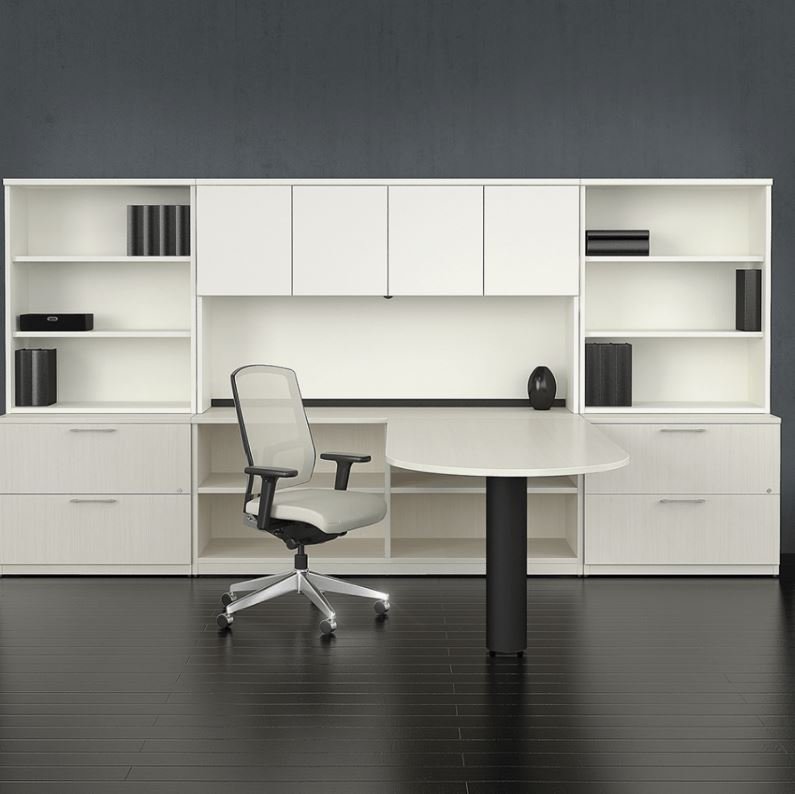
Renovating an office is not only about repainting walls, changing flooring, or installing new partitions. The furniture you select determines how people work, collaborate, organize documents, meet clients, and use available space every day. Choosing the right Office Renovation Furniture can help businesses create a workplace that is comfortable, functional, professional, and suited to their actual workflow. For companies in Manila and Quezon City, furniture planning is especially important because office spaces can vary significantly in size, layout, employee requirements, and business function.
A successful renovation should therefore treat furniture as part of the overall workplace strategy rather than as something purchased at the end of a construction project. Office desks, workstations, ergonomic chairs, conference tables, reception counters, storage cabinets, pedestals, and collaborative furniture should work together as one coordinated environment.
What Is Office Renovation Furniture?
Office renovation furniture refers to furniture selected, customized, or replaced as part of an office renovation or workplace improvement project. It can include individual desks and chairs as well as complete workstation systems, executive furniture, meeting-room furniture, storage solutions, reception furniture, and collaborative seating.
The main purpose is to make the renovated workspace more practical while supporting the company’s operations and visual identity. Depending on the project, businesses may replace outdated furniture, reconfigure existing workstations, add new storage, introduce ergonomic seating, or create completely new furniture layouts.
For example, a company renovating a small Manila office may need compact workstations and vertical storage to maximize floor space. A larger corporate office in Quezon City may require open workstations, executive rooms, conference tables, collaborative areas, reception furniture, and dedicated storage.
Why Furniture Matters During an Office Renovation
Furniture affects much more than appearance. Poorly planned furniture can create crowded walkways, uncomfortable workstations, insufficient storage, and inefficient movement between departments. A well-planned furniture layout can make the same office area feel more organized and easier to use.
During renovation, businesses have an opportunity to reconsider how employees actually use the workplace. Departments can be positioned according to workflow, meeting areas can be placed where collaboration is convenient, and storage can be located close to the employees who need it.
Furniture also contributes to the professional image of a company. A well-designed reception area creates an important first impression, while a coordinated executive office or conference room can communicate professionalism when meeting clients, suppliers, partners, or candidates.
This is why furniture selection should happen alongside space planning rather than after the renovation has already been completed.
Office Furniture Options for a Renovation Project
A complete office renovation may require several different furniture categories. Workstations are suitable for employees who need dedicated working areas while maintaining an efficient use of floor space. Modular systems can also make future reconfiguration easier as teams expand or change.
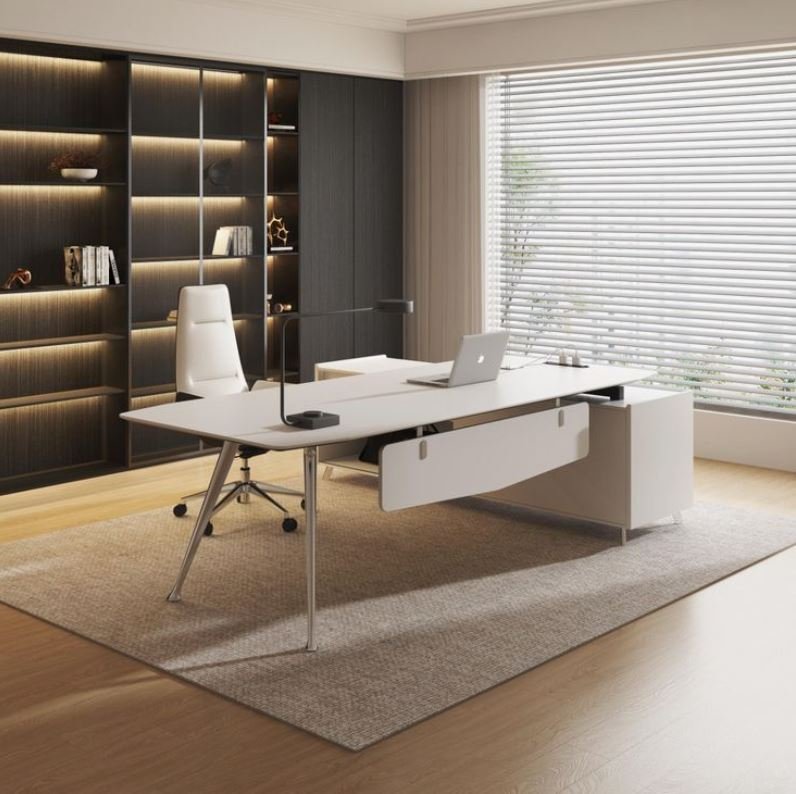
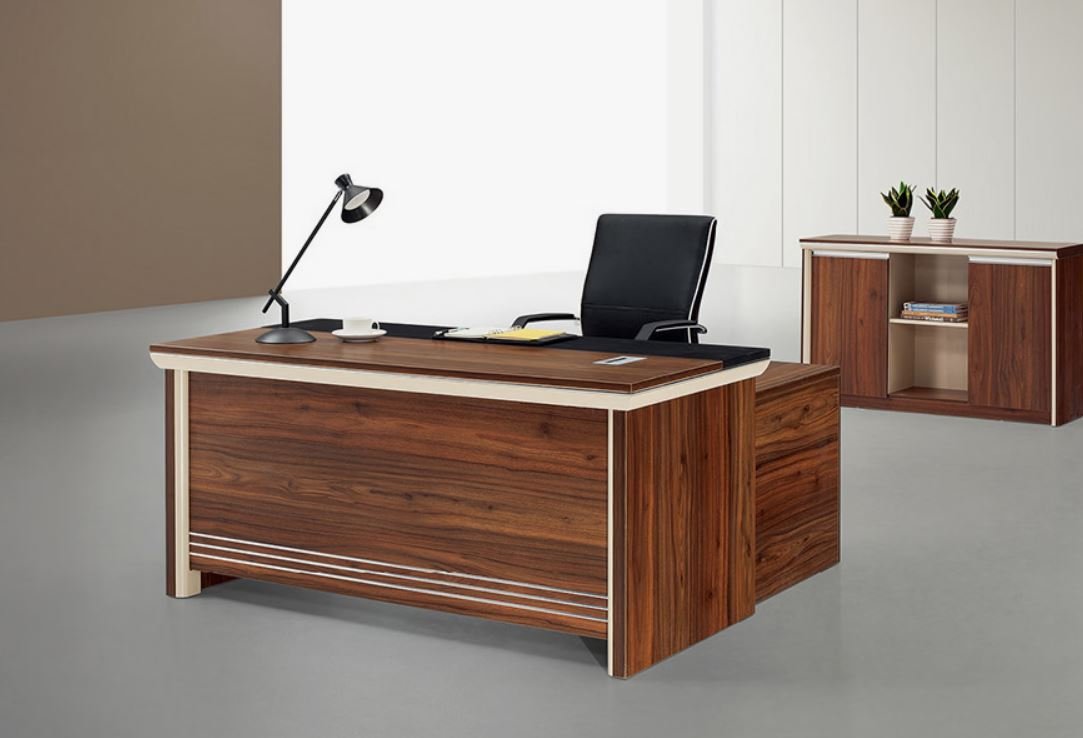
Executive desks are commonly used in private offices where leadership requires additional workspace and storage. Office Renovation Furniture are important for meetings, presentations, interviews, and decision-making sessions. Reception counters help establish an organized entrance area, while visitor chairs provide comfortable seating for guests.
Storage should also receive attention. Filing cabinets, mobile pedestals, shelving units, and office cabinets can reduce clutter and keep frequently used materials accessible. For organizations with limited floor space, vertical storage can be particularly useful.
Ergonomic office chairs are another important consideration. Employees may spend many hours at their desks, so adjustable seating, appropriate back support, and suitable desk height can contribute to a more comfortable workplace.
How to Choose Furniture for an Office Renovation
The first step is to understand the available space. Measure the office carefully and consider doors, windows, columns, electrical outlets, air-conditioning units, emergency routes, and other permanent features before finalizing furniture dimensions.
Next, identify how each department uses the workplace. A finance team may require more filing and document storage, while a creative team may benefit from collaborative tables and flexible work areas. A customer-facing business may need a larger reception and waiting area.
Employee count is another important factor. Furniture should accommodate current staffing while considering realistic future growth. Purchasing furniture that completely fills the office may create problems when additional employees join the company.
The furniture should also match the renovation’s design direction. Finishes, colors, materials, and shapes can be coordinated with flooring, walls, lighting, partitions, and branding to create a consistent environment.
Finally, consider maintenance and durability. Furniture used every day should be selected according to the demands of the workplace rather than based only on appearance.
Custom Office Furniture vs Ready-Made Furniture
Businesses often need to decide whether to purchase standard furniture or commission customized pieces. Ready-made furniture can be convenient when standard dimensions fit the available space and the project has straightforward requirements.
Custom office furniture can be more useful when the office has unusual dimensions, specific storage requirements, branding considerations, or space constraints. A customized workstation, reception counter, executive desk, or storage cabinet can be designed around the actual floor plan.
For renovation projects in Metro Manila, customization can be particularly valuable when businesses are working within existing architectural limitations. Instead of forcing a standard product into an unsuitable area, furniture can be planned around the space.
The right choice depends on budget, timeline, dimensions, functional requirements, and the level of customization required.
How to Plan Office Furniture for Small Spaces
Small offices require careful planning because every square meter matters. Oversized desks and unnecessary furniture can quickly make a compact workplace feel congested.
Modular workstations can help create defined work areas without consuming excessive floor space. Mobile pedestals can provide personal storage while remaining easy to reposition. Wall-mounted or vertical storage can also reduce the need for large cabinets occupying valuable floor area.
Multi-purpose furniture can be another effective approach. A conference table, for instance, may also function as a collaborative workspace. Flexible furniture allows businesses to use one area for multiple activities rather than assigning a separate room to every function.
Clear circulation should always remain a priority. Employees and visitors should be able to move comfortably without navigating around desks or storage units.
Office Renovation Furniture for Corporate Offices
Corporate offices often require several furniture zones within one workplace. These may include employee workstations, executive offices, meeting rooms, reception areas, breakout spaces, and storage areas.
A consistent furniture system can make these different zones feel connected. At the same time, each area should have furniture appropriate to its purpose.
Employee areas should prioritize practical work surfaces, organization, and comfortable seating. Meeting rooms should support communication and technology. Executive spaces may require larger desks, additional storage, and guest seating. Reception areas should balance appearance with functionality.
For growing businesses in Manila and Quezon City, flexible furniture can also make future workplace changes easier.
Furniture Planning for Startups and Growing Businesses
Startups often operate with changing team sizes and evolving work patterns. A permanent furniture arrangement may become inefficient as the company grows.
Modular desks, movable storage, flexible seating, and reconfigurable workstations can provide greater adaptability. Instead of designing the office only for today’s workforce, businesses can consider how the space may function after hiring additional employees.
Budget should also be allocated strategically. It may be better to invest in durable desks, ergonomic seating, and functional storage rather than spending the majority of the renovation budget on decorative furniture.
The goal is to create a workplace that looks professional without compromising everyday usability.
Office Renovation Furniture for Schools, Hospitals, and Government Offices
Different organizations have different furniture requirements. Schools may need durable desks, administrative workstations, filing solutions, and meeting furniture. Hospitals and healthcare-related offices may require furniture that supports organization, staff workflow, reception operations, and waiting areas.
Government offices often need practical workstations, document storage, meeting tables, executive furniture, and visitor seating while working within defined procurement requirements.
The furniture specification should therefore be based on the organization’s actual operational needs. A solution that works well for a creative agency may not be suitable for a government department or healthcare facility.
Common Mistakes to Avoid During Office Furniture Renovation
One common mistake is purchasing furniture before measuring the space. Even attractive furniture can become a problem if it blocks walkways or does not fit the planned layout.
Another mistake is focusing entirely on appearance. A beautiful desk that provides insufficient workspace or a stylish chair that offers poor support may create practical problems.
Ignoring storage is another issue. Businesses often concentrate on desks and chairs while forgetting filing cabinets, shelving, pedestals, and other organizational requirements.
Companies should also avoid designing an office without considering future growth. A layout that works perfectly for today’s team may become crowded within a short period if additional employees are expected.
Finally, businesses should avoid leaving furniture decisions until the final stage of renovation. Furniture dimensions can influence electrical planning, partition placement, circulation, and workstation layouts.
How Much Office Furniture Should You Buy?
There is no universal quantity because the requirement depends on office size, employee count, departments, workflow, and available storage.
Start by identifying the number of employees and the type of workspace each person needs. Then determine the number of executive offices, meeting seats, visitor seats, storage units, workstations, and collaborative spaces required.
It is also useful to separate essential furniture from optional furniture. This approach helps businesses control budgets without sacrificing critical workplace functions.
For larger renovation projects, preparing a furniture schedule can make procurement easier. The schedule can include furniture type, dimensions, quantity, material, finish, location, and department.
Why Work With an Office Furniture Specialist?
An experienced office furniture supplier can help businesses move from a basic floor plan to a practical workplace solution. Instead of selecting individual products without considering the complete environment, a specialist can help coordinate desks, chairs, workstations, storage, meeting furniture, and other elements.
This can be especially useful for businesses undertaking renovation in Manila and Quezon City where space planning, delivery coordination, installation, and project timing can all influence the final result.
A professional supplier may also help identify suitable furniture dimensions, finishes, configurations, and customization options based on the project’s requirements.
Office Renovation Furniture in Manila and Quezon City
Businesses in Manila and Quezon City have access to a wide range of office furniture solutions, from ready-made desks and chairs to customized workstations and complete furniture systems. Local suppliers can provide an advantage when businesses need site measurements, delivery coordination, installation, or furniture customization.
Current competitors in the Philippine market commonly emphasize customization, installation, space planning, product variety, and Metro Manila service coverage. For example, Jecams promotes office furniture categories alongside office fit-out and renovation services, while other local suppliers highlight custom furniture, design approval, delivery, and installation.
This creates an opportunity for Office Furniture Express to differentiate through useful renovation guidance, transparent furniture specifications, project-focused recommendations, and strong local expertise rather than relying only on product descriptions.
What Should You Ask an Office Furniture Supplier?
Before placing an order, businesses should clarify the furniture dimensions, materials, customization options, delivery schedule, installation arrangements, warranty coverage, maintenance requirements, and payment terms.
It is also useful to provide the supplier with a floor plan or accurate measurements. This allows the furniture recommendations to be based on the actual office rather than assumptions.
For larger projects, ask whether the supplier can support furniture planning, sample finishes, workstation configuration, delivery coordination, and installation. Having these details confirmed early can reduce delays during renovation.
How Office Renovation Furniture Supports Productivity
Furniture cannot solve every workplace problem, but thoughtful planning can remove unnecessary obstacles. Employees need appropriate desk space, accessible storage, comfortable seating, and layouts that allow them to move and communicate efficiently.
Collaborative areas can support group discussions, while focused work areas can provide quieter environments for tasks requiring concentration. Good storage can reduce clutter, and appropriate workstation dimensions can make daily activities more convenient.
The best furniture strategy therefore starts with how people work. Design should support workflow rather than simply follow a particular visual trend.
A Better Way to Plan Your Office Renovation
Start with your existing workplace. Identify what currently works, what creates frustration, and what needs to change. Then measure the space and establish your employee count, department requirements, storage needs, meeting requirements, and budget.
Once these details are clear, create a furniture plan before purchasing products. Compare different workstation configurations, desk sizes, chair options, storage systems, and finishes. Consider both current requirements and expected business growth.
After the furniture selection is finalized, coordinate delivery and installation with the renovation schedule. This helps prevent furniture from arriving before the site is ready or delaying the final workplace setup.
For companies planning an office renovation in Manila or Quezon City, working with Office Furniture Express can be a practical next step when you are ready to discuss furniture requirements, workspace layouts, customization options, and project needs.
Frequently Asked Questions About Office Renovation Furniture
What furniture is needed for an office renovation?
Most office renovations require some combination of workstations, office desks, ergonomic chairs, storage cabinets, filing cabinets, meeting tables, reception furniture, and visitor seating.
Should office furniture be replaced during renovation?
Not necessarily. Furniture that remains durable, functional, and compatible with the new layout may be reused. Replacement makes more sense when existing furniture is damaged, outdated, uncomfortable, or unsuitable for the redesigned space.
Is custom office furniture better for renovation projects?
Custom furniture can be beneficial when standard dimensions do not suit the office layout or when a business requires specific storage, branding, or workspace configurations.
How do I choose furniture for a small Manila office?
Prioritize compact dimensions, efficient workstations, vertical storage, flexible furniture, and clear circulation. Measure the space before selecting products.
What should I consider when buying office furniture?
Consider dimensions, employee requirements, ergonomics, materials, durability, storage, design, customization, maintenance, delivery, installation, warranty, and total project cost.
Can office furniture be planned before renovation starts?
Yes. In fact, planning furniture early is recommended because workstation dimensions and furniture placement can affect partitions, electrical points, circulation, and the overall office layout.
Where can businesses find office renovation furniture in Quezon City?
Businesses can compare local office furniture suppliers and request furniture recommendations based on their floor plan, employee requirements, budget, and renovation objectives.
Final Thoughts
Office renovation is an opportunity to create a workplace that supports people and business operations more effectively. The right furniture can improve organization, make better use of available space, support different working styles, and create a professional environment for employees and visitors.
The strongest renovation projects do not simply fill an office with attractive furniture. They connect furniture selection with space planning, workflow, employee needs, storage, future growth, and the company’s overall identity.
For businesses in Manila and Quezon City, Office Furniture Express can position itself as a useful resource by helping customers understand these decisions before they purchase. A consultation, site assessment, furniture plan, or quote can be the natural next step for organizations ready to turn their renovation plans into a functional workplace.