Skip to main content

Business growth often brings new opportunities, additional employees, and the need for a more functional workplace. As companies expand, their existing office setup may struggle to accommodate new team members, equipment, storage requirements, and collaborative work areas. Choosing the right Furniture for Office Expansion helps businesses create a comfortable, organized, and professional environment without wasting valuable floor space. Whether a company is opening a new branch in Manila, expanding its operations in Quezon City, or upgrading its current office, careful furniture planning can make the transition easier and more cost-effective.
Why Furniture Planning Is Important for Office Expansion
Office expansion involves more than purchasing extra desks and chairs. Businesses need to consider employee comfort, workflow efficiency, storage capacity, meeting spaces, and the overall use of available floor space. Without a clear furniture plan, an expanded office can quickly become overcrowded, disorganized, and difficult to navigate.
A well-designed workspace supports employees by providing suitable workstations, comfortable seating, and easy access to essential equipment. It also helps managers create a consistent office layout that accommodates different departments and working styles. For example, an administrative team may require individual desks and filing cabinets, while a sales department may benefit from shared workstations and a dedicated collaboration area.
Businesses in Manila and Quezon City should also consider how their office furniture will fit the dimensions and layout of their commercial premises. Measuring the available space before purchasing furniture helps prevent unnecessary expenses and ensures that employees have sufficient room to work comfortably.
How to Choose the Right Furniture for Office Expansion
Selecting furniture for a growing business starts with identifying current requirements and anticipating future needs. Business owners should determine how many employees will occupy the expanded office, what equipment they use, and which departments require dedicated work areas.
Begin by preparing a list of essential furniture items. This may include office desks, ergonomic chairs, storage cabinets, conference tables, reception furniture, and shared workstation systems. Reviewing existing furniture is equally important because some items may remain suitable for the new layout.
Next, measure the office carefully. Consider the dimensions of desks and cabinets, the space needed to move chairs, and the room required for walkways and doors. Furniture should fit naturally into the layout rather than forcing employees to work around unnecessary obstacles.
Budget planning should also consider durability, maintenance, product warranties, and installation requirements. A low purchase price may appear attractive initially, but furniture that does not withstand regular office use can create additional replacement costs. Comparing product specifications and overall value helps businesses make more informed purchasing decisions.
Essential Office Furniture for Growing Workplaces
Different furniture categories serve specific purposes during an expansion project. Prioritizing these items helps businesses build a functional workplace while keeping purchasing decisions aligned with their operational needs.
Office Desks and Workstations
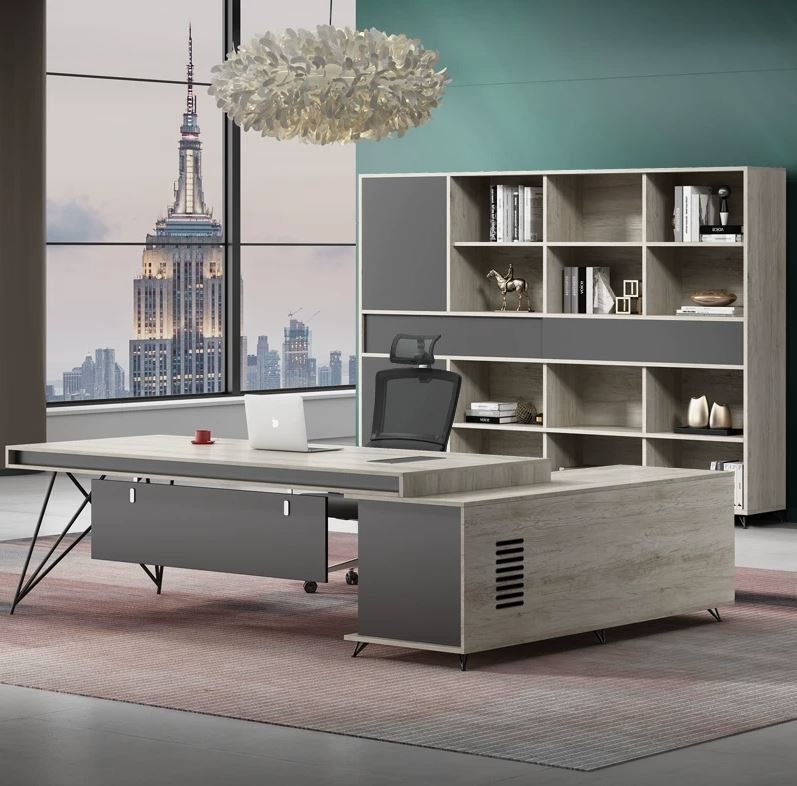
Desks are essential when hiring new employees or creating additional departments. Businesses can choose individual desks, shared workstations, or modular desk systems depending on the available space and the nature of their work.
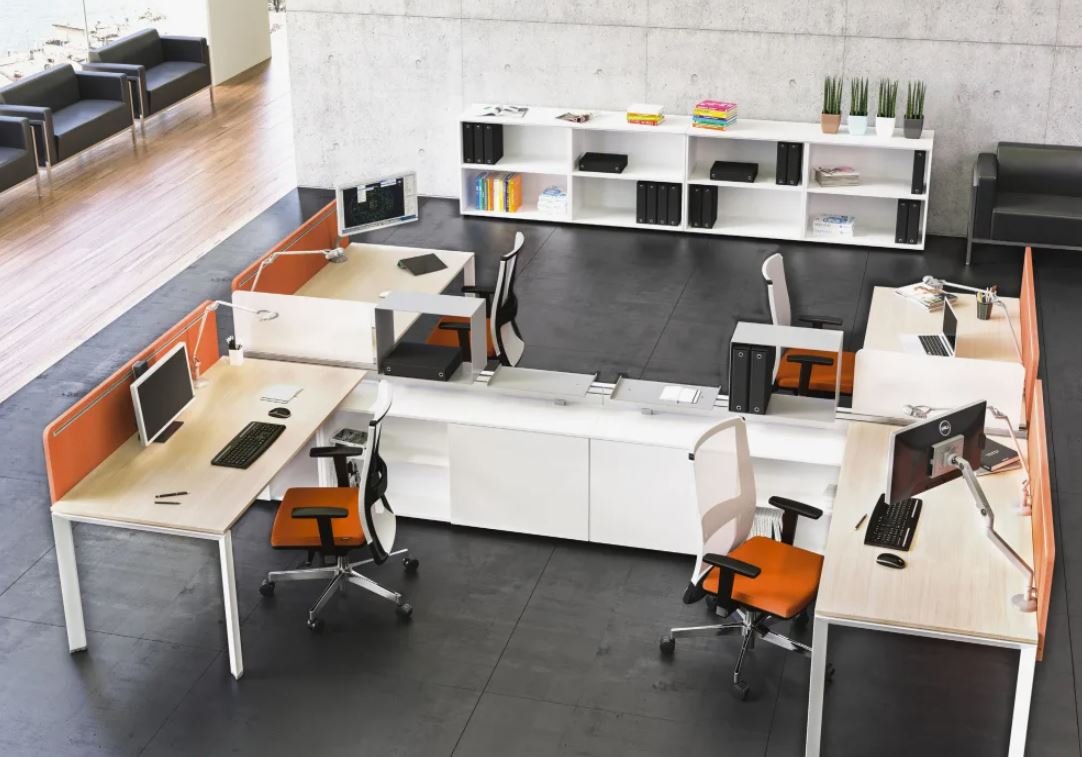
Individual desks provide dedicated working areas for employees who handle confidential documents or need additional room for equipment. Shared workstations can accommodate multiple employees in an open-plan environment, while modular systems allow businesses to rearrange desks as teams grow.
When comparing office desks, consider surface area, legroom, cable management, storage options, and material quality. Employees who use multiple monitors or handle paperwork may need larger work surfaces than those who primarily use laptops.
Choosing Furniture for Office Expansion designs that match the company’s workflow can help maintain organization and make future changes easier to manage.
Ergonomic Office Chairs
Comfortable seating is an important consideration when expanding an office. Employees may spend much of their working day seated, so selecting chairs that provide suitable support and adjustability can improve workplace comfort.
Look for office chairs with adjustable seat height, supportive backrests, stable bases, and suitable seat dimensions. Where possible, allow employees to test seating options before making a large purchase, particularly when ordering furniture for several departments.
Businesses should also consider the intended use of each chair. Daily workstation seating may require different features from visitor chairs or conference room seating. Selecting products according to their purpose helps avoid unnecessary spending while supporting employee needs.
Storage Cabinets and Filing Systems
An expanding workforce often creates additional storage requirements. Documents, stationery, office supplies, and equipment need designated spaces to prevent desks and shared areas from becoming cluttered.
Filing cabinets are useful for organizing paperwork, while storage cupboards can accommodate supplies and larger office materials. Mobile pedestals provide convenient storage near individual desks and can be repositioned when the office layout changes.
Companies handling confidential information should evaluate whether lockable cabinets or restricted-access storage are necessary. The right storage arrangement depends on the volume of materials, document access requirements, and available floor space.
Planning storage early can also help businesses avoid purchasing oversized cabinets that reduce the room available for workstations.
Conference Tables and Meeting Room Furniture
As businesses grow, they may need additional space for team discussions, client presentations, recruitment interviews, and project planning. Conference tables and meeting chairs help create a dedicated area for these activities.
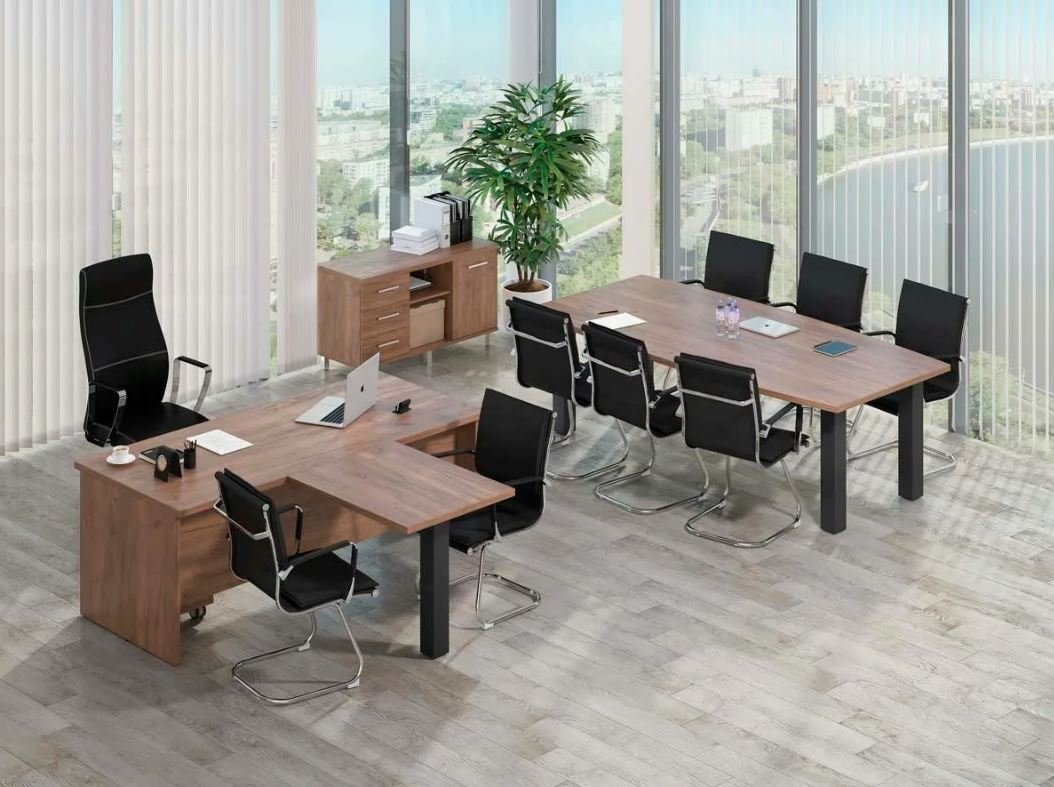
The size and shape of a meeting table should reflect the number of people who typically attend meetings. A compact table may suit a small team, while a larger conference table may be appropriate for management discussions or client meetings.
Businesses should leave enough space around the table for chairs and movement. They should also consider the placement of screens, presentation equipment, electrical outlets, and communication devices.
For offices with limited space, multipurpose tables can serve as meeting surfaces, training tables, or temporary project areas. This approach helps businesses use their available floor space more efficiently.
Space-Saving Furniture Ideas for Manila and Quezon City Offices
Making effective use of available space is an important part of office expansion. Businesses do not always need a larger floor area to create a more functional workplace. In many cases, selecting appropriately sized furniture and improving the layout can accommodate additional employees without compromising comfort.
In Manila, businesses operating in commercial buildings may need to balance workstation requirements with shared facilities, meeting rooms, and storage areas. Companies in Quezon City can also benefit from practical layouts that accommodate changing departmental needs and future recruitment.
Consider using modular workstations that can be extended as the workforce grows. Wall-mounted shelving may provide additional storage without occupying floor space, while mobile cabinets can support flexible arrangements. Compact meeting tables and carefully selected reception furniture can also help maintain a professional appearance without overwhelming smaller areas.
Another useful approach is to separate the office into functional zones. Designate specific areas for focused work, collaboration, meetings, storage, and visitor reception. This organization helps employees understand how the space should be used and reduces unnecessary movement between departments.
Before installing furniture, check that walkways, exits, doors, and access routes remain clear. Good space planning should support safe movement and convenient access to essential facilities rather than simply maximizing the number of desks.
Benefits of Modular Furniture for Business Expansion
Modular furniture is designed to support different configurations, making it useful for companies that expect their staffing requirements to change. Businesses can add compatible desk units, rearrange workstation layouts, or introduce partitions as departments develop.
One major advantage is flexibility. A company can begin with a smaller workstation arrangement and add units when more employees join. This may reduce the need to replace an entire furniture setup during each stage of growth.
Modular systems can also support consistency across departments. Using compatible desks and storage units helps maintain a coordinated appearance and makes it easier for procurement teams to compare specifications when placing additional orders.
However, businesses should assess the quality, stability, dimensions, and compatibility of modular products before purchasing them. A flexible design is valuable only when it meets the company’s actual working requirements and remains practical for daily use.
How to Control Furniture Costs During Office Expansion
Furniture purchases can represent a significant part of an office expansion budget. A structured purchasing plan helps companies avoid unnecessary expenses while ensuring that employees have the equipment they need.
Start by reviewing existing furniture. Desks, chairs, cabinets, and tables that remain in good condition may be suitable for reuse in the expanded office. Relocating these items can free up funds for new workstations or equipment that cannot be accommodated by the existing setup.
Next, establish a priority list. Essential items should be purchased first, while optional upgrades can be scheduled for a later phase. For example, a business may initially focus on employee desks, seating, and storage before adding decorative furniture or upgrading its meeting room.
Request detailed quotations that specify product dimensions, materials, quantities, delivery fees, installation charges, and warranty conditions. Comparing quotations on consistent terms makes it easier to evaluate the actual cost of different options.
Businesses should also consider long-term maintenance. Furniture designed for regular commercial use may provide better value when its durability and expected lifespan justify the initial cost. The objective is to select furniture that meets operational needs without exceeding the available budget.
Common Mistakes to Avoid When Expanding an Office
One frequent mistake is buying furniture before measuring the office. Desks that appear suitable in a showroom may occupy too much space when placed alongside cabinets, chairs, and other equipment. Accurate measurements and a floor plan help prevent costly purchasing errors.
Another mistake is prioritizing appearance over functionality. Attractive furniture should still provide suitable dimensions, durability, storage capacity, and comfort. Businesses should evaluate the practical features of each item before making a final decision.
Ignoring employee requirements can also create problems. Different teams may need different desk sizes, storage arrangements, and levels of privacy. Consulting department managers before placing an order can help identify these requirements.
Businesses should avoid purchasing excessive quantities without a clear plan. Unused chairs, oversized meeting tables, and unnecessary cabinets can consume valuable space and increase expenses. A detailed inventory and furniture checklist help ensure that each purchase serves a specific purpose.
Finally, companies should not overlook delivery and installation schedules. Furniture should arrive in time for the planned office opening or employee relocation. Confirming access arrangements, delivery dates, and assembly requirements in advance helps reduce disruption.
How to Prepare a Furniture Checklist for Office Expansion
A furniture checklist helps businesses organize purchases, manage budgets, and coordinate installation. Before finalizing an order, review the following requirements.
- Workstations: Calculate the number of desks required for existing employees and planned new hires.
- Office chairs: Select suitable seating based on employee requirements and expected daily use.
- Storage solutions: Identify the quantity and type of cabinets, shelving units, and filing systems needed.
- Meeting areas: Choose tables and chairs according to the usual number of participants.
- Reception furniture: Assess the need for a reception desk, visitor seating, and organized storage.
- Shared equipment areas: Allocate space for printers, office supplies, and other shared resources.
- Future flexibility: Identify furniture that can be rearranged or expanded as the business grows.
- Delivery and installation: Confirm measurements, building access, installation arrangements, and expected delivery dates.
Review the checklist with the people responsible for procurement, facilities, and department management. This collaborative process can reveal missing requirements and reduce the risk of unnecessary purchases.
Why Choose Office Furniture Express for Expansion Planning
Finding suitable office furniture becomes easier when businesses understand their space requirements, budget limits, and expected growth. A clear purchasing plan allows companies to compare available products and select furniture that supports their workplace goals.
Office Furniture Express is a brand businesses can consider when exploring furniture options for office expansion in Manila and Quezon City. Before purchasing, businesses should review available product specifications, materials, dimensions, pricing, warranty terms, delivery arrangements, and installation services to determine whether the options match their requirements.
Companies preparing for expansion should create a list of required furniture items and estimate the quantities needed for each department. Sharing these details when requesting a quotation can help clarify product suitability and expected costs.
It is also helpful to plan purchases around the office expansion schedule. Workstations and chairs may be required before employees arrive, while additional storage and meeting room furniture can be installed in a later phase if the budget or project timeline requires a staged approach.
By comparing furniture options carefully and confirming important purchasing details in advance, businesses can make practical decisions that support employee comfort, workplace organization, and long-term growth.
Frequently Asked Questions
What is the best furniture for office expansion?
Office desks, ergonomic chairs, storage cabinets, modular workstations, and meeting room furniture are common priorities. The right selection depends on the available space, employee count, work requirements, and budget.
How can I choose furniture for a growing office in the Philippines?
Measure the office, identify employee and departmental requirements, compare product specifications, and establish a realistic budget. Consider delivery arrangements, durability, installation costs, and future growth.
Is modular office furniture a good investment?
Modular furniture can be useful for growing businesses because compatible units can be rearranged or added as needs change. Its value depends on product quality, flexibility, and suitability for the workspace.
How can businesses save money when buying office furniture?
Reuse suitable existing furniture, compare detailed quotations, prioritize essential purchases, and select durable products. Planning quantities carefully can also prevent unnecessary spending.
What furniture should a new office prioritize?
Most offices should begin with suitable desks, chairs, storage, and essential meeting furniture. Reception seating and additional collaborative areas can be added according to the company’s needs and available budget.
When should businesses order furniture for office expansion?
Businesses should begin planning as early as possible, ideally before the office move or expansion begins. Early preparation provides time to measure the space, compare options, confirm availability, and schedule installation.
Conclusion
Office expansion provides an opportunity to create a workspace that supports productivity, organization, and future business growth. Choosing appropriate desks, ergonomic chairs, storage systems, meeting tables, and modular furniture helps companies accommodate new employees while making effective use of their available space.
Businesses in Manila and Quezon City can simplify the process by measuring their premises, setting clear purchasing priorities, reviewing existing furniture, and comparing product specifications before placing an order. Careful planning also helps prevent overcrowding, control costs, and create a more comfortable environment for employees and visitors.
Office Furniture Express can be considered when evaluating furniture options for a growing workplace. With a practical checklist, a realistic budget, and a clear understanding of operational needs, businesses can select furniture that serves their current requirements while preparing their offices for the next stage of expansion.