Skip to main content

Starting a new business requires careful planning, from choosing the right location to organizing daily operations. One important decision is selecting furniture that supports productivity, comfort, and professional presentation. The right Furniture for New Business helps create a functional workspace where employees can work efficiently, clients feel welcome, and business owners can manage their operations with confidence. Whether you are opening a startup in Manila, establishing a corporate office in Quezon City, or setting up a small business in another part of the Philippines, choosing suitable office furniture from the beginning can make a significant difference.
Why Choosing the Right Office Furniture Matters for a New Business
When launching a business, it is tempting to focus mainly on computers, equipment, rent, and staffing. However, office furniture also plays an important role in creating a productive working environment. Employees need comfortable chairs, practical desks, and enough storage to perform their tasks without unnecessary distractions. A well-organized workspace can also make everyday activities easier by keeping important documents, supplies, and equipment within reach.
Furniture choices influence how customers and business partners perceive your company. A clean reception area, organized workstations, and a professional meeting table can create a positive first impression. This is particularly important for businesses that regularly welcome clients, suppliers, investors, or prospective employees. Selecting furniture that matches your business needs allows you to establish a professional appearance without spending more than necessary.
Essential Furniture Every New Business Should Consider
Before purchasing office furniture, identify the main activities that will take place in your workspace. A small consulting company may need a few desks and a meeting table, while a growing team may require multiple workstations, ergonomic chairs, storage cabinets, and a dedicated reception area. Creating a list of essential items helps you prioritize purchases and avoid spending money on furniture that does not support your daily operations.
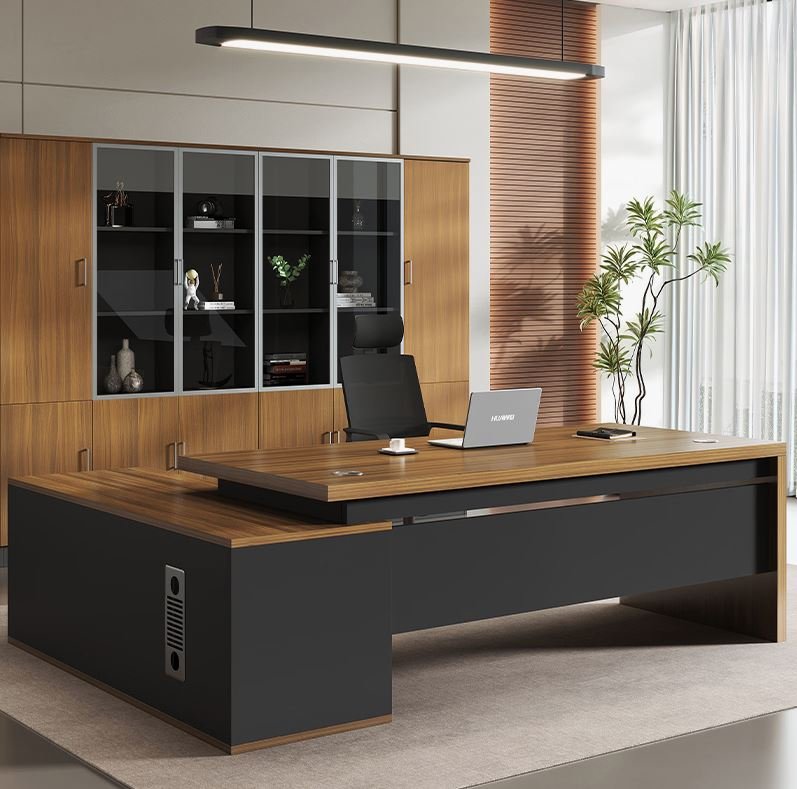
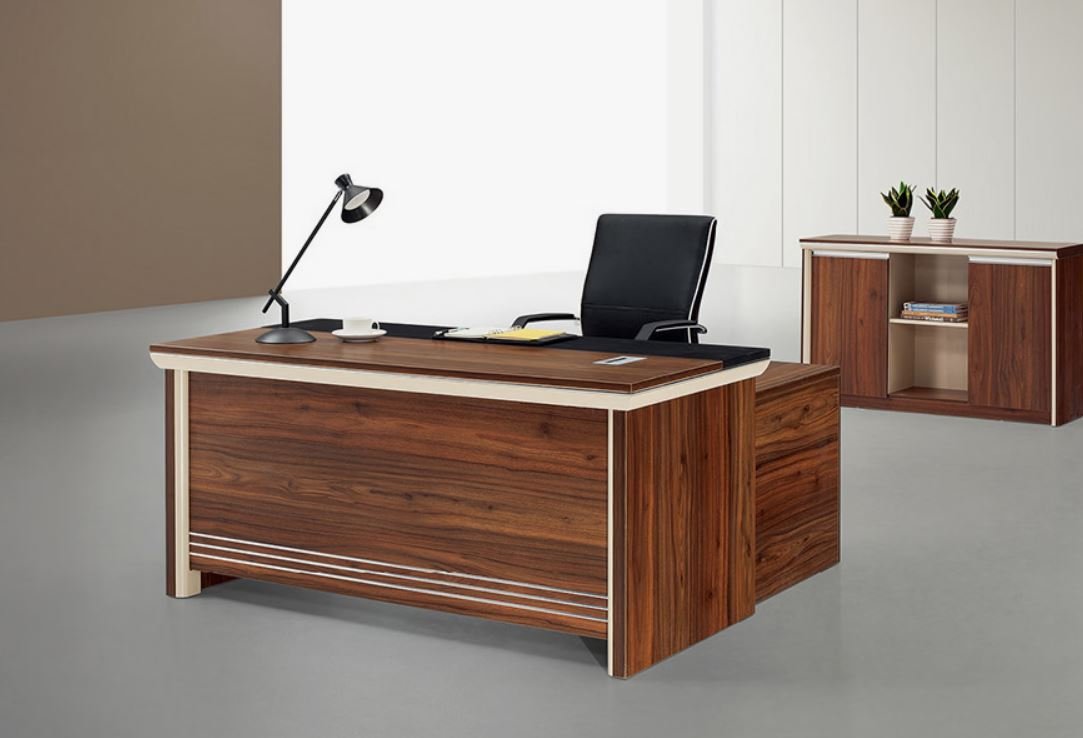
Office desks are among the first items to consider because employees need enough space for computers, documents, and other work materials. Choose desk sizes according to the available floor area and the type of work being performed. Compact desks can suit small offices, while larger work surfaces may be more practical for employees who handle paperwork, design projects, or multiple monitors.
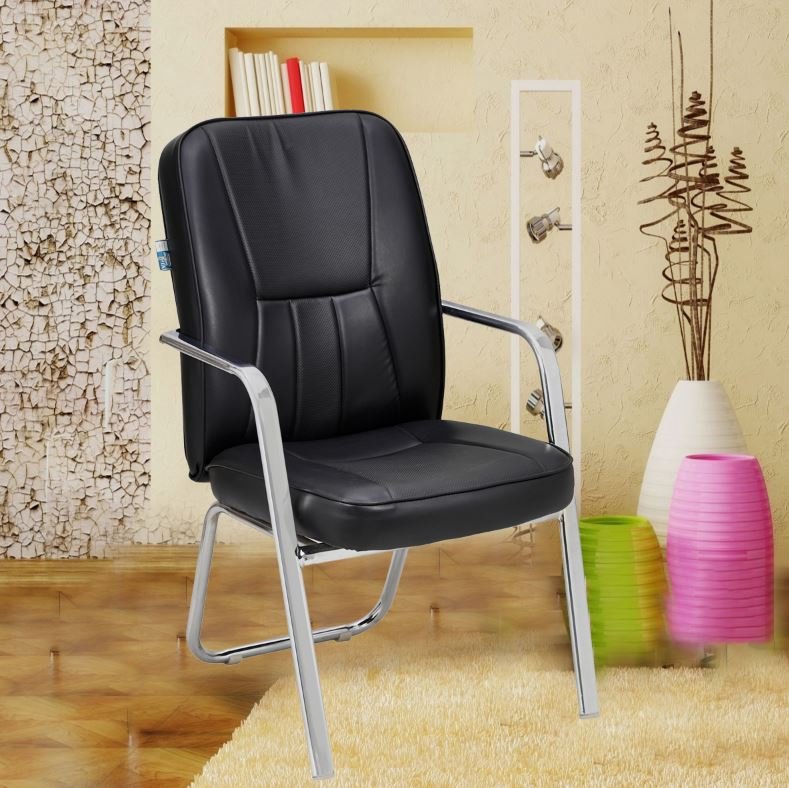
Office chairs are equally important. Employees may spend several hours sitting during the workday, so adjustable seating with appropriate back support can improve comfort. Consider chairs with adjustable seat height, supportive backrests, and suitable cushioning. For meeting rooms, select chairs that provide comfort while maintaining a consistent professional appearance.
Storage Furniture for New Business helps keep the office organized. Filing cabinets, mobile pedestals, shelves, and office cupboards provide space for documents, stationery, and business supplies. Businesses that handle confidential paperwork should also consider storage options that can be securely locked. Choosing suitable storage early can reduce clutter as the company grows.
Meeting tables are useful for team discussions, client presentations, interviews, and planning sessions. The appropriate size depends on the number of people who regularly use the room. Businesses with limited space can consider multipurpose tables that work for both meetings and collaborative activities.
How to Choose Furniture That Fits Your Business Budget
Budget management is especially important during the early stages of a business. Purchasing every desired furniture item immediately may place unnecessary pressure on startup funds. Instead, divide your furniture requirements into essential, useful, and optional categories. This approach helps you create a functional workspace while keeping spending under control.
Start with the furniture employees need to work comfortably and safely. Desks, office chairs, and essential storage should usually take priority. Reception furniture, additional meeting tables, decorative cabinets, and premium executive desks can be added as the business develops, depending on operational needs and available funds.
Compare furniture based on its overall value rather than the initial price alone. A low-cost chair that wears out quickly may require replacement sooner than a more durable option. Similarly, a desk made with suitable materials and a stable frame may provide better long-term value than a cheaper product that cannot withstand regular use.
When comparing suppliers, review product specifications, dimensions, materials, warranties, delivery arrangements, and assembly requirements. Requesting a quotation for several items together may also help you understand the total cost of furnishing your office. Keep enough budget available for delivery, installation, electrical accessories, and other setup expenses.
Selecting Furniture for Small Offices and Startups
Small businesses often operate from compact offices, shared workspaces, or converted commercial units. In these environments, every square meter matters. Furniture should provide practical functionality without making the room feel crowded.
Measure the office before purchasing anything. Record the dimensions of the room, doorways, walkways, and areas reserved for equipment. Leave enough space for employees to move safely between workstations and access storage without difficulty. Planning the layout before ordering furniture can help prevent expensive mistakes.
Space-saving furniture can be particularly useful for startups. Compact desks, mobile pedestals, vertical storage cabinets, and modular workstations help maximize the available area. Furniture with multiple uses can also reduce the number of separate items required.
For example, a small marketing agency might begin with four workstations, four ergonomic chairs, one shared storage cabinet, and a compact meeting table. This setup provides the essentials without requiring a large office footprint. As the agency hires more employees, additional workstations can be introduced according to the existing layout.
Businesses should also consider future expansion. Modular desks and matching storage units make it easier to add furniture without completely redesigning the office. Choosing adaptable products can help a growing company maintain a consistent appearance while managing costs.
Choosing Furniture That Supports Employee Comfort
Employee comfort should be a central consideration when furnishing a new workplace. Furniture that does not fit the user’s needs can contribute to discomfort, poor posture, and difficulty concentrating. While furniture alone cannot solve every workplace health concern, a thoughtful selection can support a more comfortable working environment.
Ergonomic chairs should offer suitable back support and adjustments for different users. Desk heights should allow employees to work without repeatedly raising their shoulders or bending awkwardly. Monitor placement, keyboard positioning, and sufficient legroom should also be considered when arranging workstations.
Businesses can improve flexibility by selecting adjustable chairs and desks where appropriate. Shared workspaces may benefit from furniture that accommodates employees of different heights and working preferences. Proper lighting, clear walkways, and an organized desk layout can further improve the overall experience.
Do not overlook meeting and break areas. Comfortable meeting chairs support longer discussions, while a simple break area gives employees a place to step away from their desks. These spaces should be designed according to the available room and the company’s actual requirements.
Matching Office Furniture With Your Brand Identity
Office furniture contributes to the visual identity of a business. The colors, materials, shapes, and arrangement of furniture can communicate whether a company prefers a traditional corporate atmosphere, a modern professional style, or a relaxed creative environment.
For example, neutral-colored desks and simple storage cabinets may suit accounting firms, law offices, and administrative departments. Creative agencies may prefer collaborative tables and flexible workstations that encourage teamwork. Executive offices might use larger desks and coordinated storage to create a formal setting.
Consistency is more important than filling the office with expensive furniture. Choose a manageable color palette and select pieces that complement one another. Avoid combining too many unrelated finishes, especially in small spaces where visual clutter can make the room feel crowded.
The reception area deserves particular attention because it is often the first part of the workplace visitors see. A suitable reception desk, comfortable visitor chairs, and organized surroundings can help establish a welcoming atmosphere. Keep the design aligned with your business identity while ensuring that the space remains practical and easy to maintain.
Important Factors When Buying Office Furniture in Manila and Quezon City
Businesses in Manila and Quezon City should evaluate furniture purchases according to their office location, building requirements, and operational schedules. Before ordering, confirm that the selected furniture can fit through entrances, elevators, corridors, and stairways. This is particularly important for large desks, conference tables, and executive furniture.
Delivery arrangements should also be discussed in advance. Ask suppliers about delivery charges, installation services, estimated lead times, and procedures for handling damaged or incomplete items. If the office operates in a commercial building, confirm any restrictions on delivery hours or furniture installation.
Material selection deserves attention as well. Furniture used in a busy office should withstand regular use and be easy to clean. Laminated surfaces may be practical for many everyday workstations, while metal frames can provide structural support when properly designed. The best choice depends on the product’s construction, intended use, maintenance requirements, and budget.
Businesses should request clear product details instead of relying entirely on photographs. Confirm dimensions, finishes, storage capacity, and included accessories before finalizing an order. These checks help ensure that the furniture meets your requirements and reduces the likelihood of unexpected expenses.
Common Mistakes to Avoid When Furnishing a New Office
One common mistake is buying furniture before measuring the available space. Even an attractive desk can become impractical if it blocks a walkway or leaves insufficient room for an office chair. Measure carefully and plan the layout before making a purchase.
Another mistake is choosing furniture based only on price. Initial savings may not provide good value if the product is uncomfortable, unstable, or unsuitable for daily commercial use. Review materials, construction, warranty terms, and expected usage before deciding.
Businesses may also overlook storage needs. Without enough cabinets, shelves, or filing space, desks can quickly become cluttered. Estimate how much paperwork, equipment, and stationery the office will need to accommodate.
Finally, avoid purchasing too much furniture at once. New businesses often discover that their operational needs change after the first few months. Start with essential items, assess how employees use the space, and expand the setup when there is a clear requirement.
How Office Furniture Express Can Help New Businesses
Choosing office furniture becomes easier when businesses understand their space requirements, budget, and day-to-day activities. Office Furniture Express can be included in your supplier evaluation when comparing options for workstations, office desks, chairs, storage cabinets, and meeting room furniture. Before making a decision, review the available product range and confirm which items match your operational needs.
A practical starting point is to prepare a furniture checklist that includes the number of employees, workstation dimensions, storage requirements, meeting facilities, and preferred budget. Share these details when requesting a quotation so that the proposed furniture can be evaluated against your actual requirements.
Businesses setting up offices in Manila or Quezon City should also confirm delivery coverage, lead times, installation arrangements, and product availability before placing an order. Comparing these details alongside product quality and price makes it easier to select furniture that supports both immediate operations and future growth.
Build a Functional Workplace for Long-Term Business Growth
Furnishing a new office is an investment in the way a business operates. The right combination of desks, ergonomic chairs, storage units, meeting tables, and reception furniture can support employee comfort, improve organization, and create a professional environment for clients and partners.
The best approach is to begin with essential furniture, measure the workspace carefully, compare product quality, and consider how the company may expand. Businesses should focus on practical value rather than appearance or price alone. Furniture that meets current requirements and allows room for future changes can make office planning more manageable.
With careful preparation and a clear purchasing plan, new businesses can create a workspace that balances comfort, functionality, and professional presentation. Office Furniture Express can be considered as part of the furniture selection process, helping business owners evaluate suitable options for establishing a well-organized office in the Philippines.
Frequently Asked Questions
What furniture does a new business need first?
Most new businesses should begin with office desks, suitable chairs, essential storage cabinets, and a meeting table if client or team discussions are required.
How can a startup save money when buying office furniture?
Prioritize essential items, compare product specifications and warranties, measure the office carefully, and purchase additional furniture as the business grows.
Which office furniture is best for a small workspace?
Compact desks, ergonomic chairs, vertical storage cabinets, mobile pedestals, and modular workstations can help make efficient use of limited space.
What should businesses consider when buying office furniture in Manila?
Consider furniture dimensions, durability, employee comfort, delivery fees, building access, installation arrangements, and the supplier’s product availability.
Why is ergonomic furniture important for new businesses?
Ergonomic furniture can support better working posture and comfort, particularly for employees who spend long periods working at desks.
How can businesses choose furniture that matches their brand?
Select coordinated colors, materials, and furniture styles that reflect the company’s professional identity while keeping the office functional and comfortable.
Should a new business buy all its office furniture at once?
Not necessarily. Purchasing essential furniture first allows the business to manage its initial budget and add more items as staffing and operational needs change.