Skip to main content
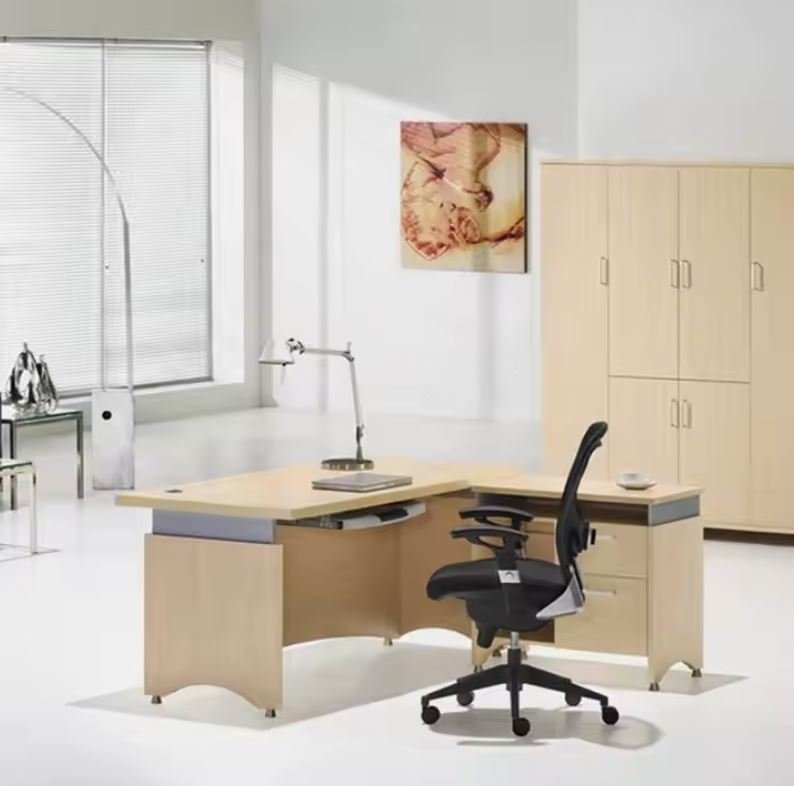
Comfort furniture design has become a key element in shaping modern interiors where functionality meets relaxation. In today’s fast-paced lifestyle, people are no longer satisfied with furniture that only looks good; they want pieces that support posture, enhance productivity, and create a calming environment. Whether it is for home, office, or commercial stores, comfort-focused design ensures that every piece of furniture contributes to a healthier and more enjoyable experience. Businesses and homeowners are now prioritizing ergonomic seating, balanced proportions, and materials that provide long-lasting comfort without compromising visual appeal. This shift reflects a deeper understanding of how physical surroundings influence mood, efficiency, and overall well-being.
Importance of Comfort Furniture Design in Modern Interiors
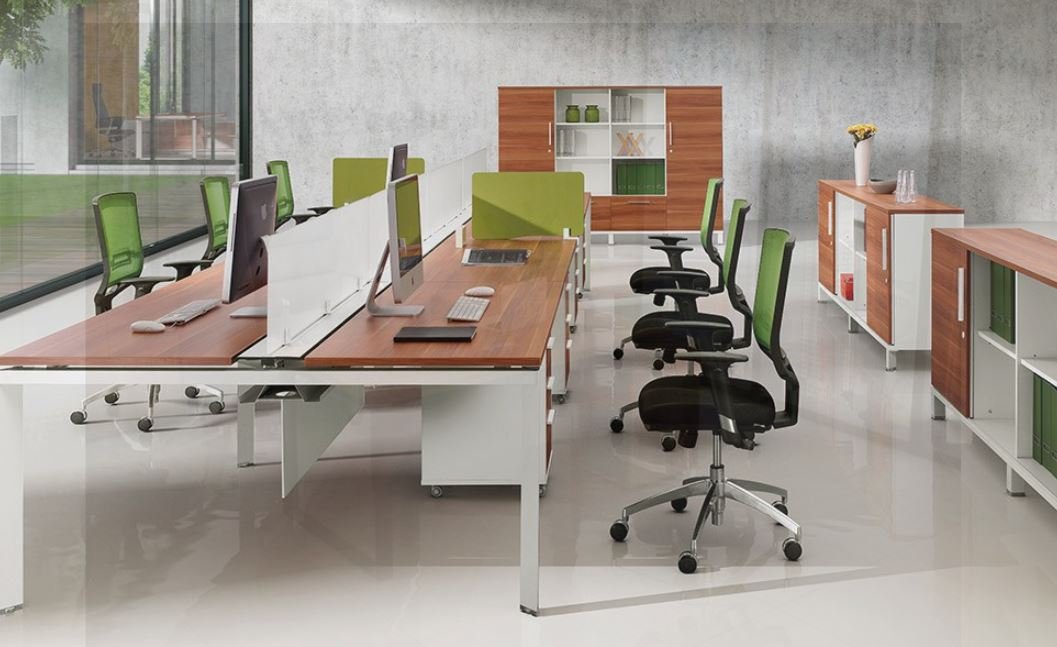
Comfort furniture design plays a crucial role in improving both physical health and mental relaxation. In offices and stores, employees and customers spend long hours sitting or moving within interior spaces, making comfort a necessity rather than a luxury. Ergonomically designed chairs, adjustable desks, and supportive sofas help reduce strain on the body and encourage better posture. At the same time, aesthetically pleasing furniture contributes to a welcoming atmosphere that leaves a positive impression on visitors. Modern interior trends show that businesses that invest in comfort-oriented furniture often experience higher productivity and customer satisfaction because people naturally feel more at ease in well-designed environments.
In residential settings, comfort furniture design transforms ordinary living spaces into personalized relaxation zones. Sofas with deep cushioning, beds with adaptive support systems, and dining chairs designed for long seating comfort all contribute to a better quality of life. Homeowners are increasingly blending style with practicality, ensuring that every furniture piece serves a functional purpose while maintaining visual harmony. This balance is especially important in urban homes where space optimization is essential.
Role of Ergonomics in Comfort Furniture Design
Ergonomics is at the heart of comfort furniture design, ensuring that furniture aligns with the natural structure of the human body. Proper ergonomic design reduces the risk of back pain, neck strain, and fatigue, especially for individuals who spend long hours working or studying. Adjustable seating height, lumbar support, and armrest positioning are some of the key features that define high-quality ergonomic furniture. These elements are carefully engineered to support natural movement and minimize discomfort during extended use.
In commercial spaces such as offices and retail stores, ergonomic furniture is not just a trend but a necessity. Employees who work in physically supportive environments tend to perform better and maintain higher energy levels throughout the day. Similarly, customers who feel comfortable while shopping or waiting are more likely to stay longer, indirectly benefiting business performance. Comfort furniture design therefore becomes an investment that delivers both health benefits and financial returns over time.
Material Selection and Durability in Comfort Furniture Design
The choice of materials significantly impacts the effectiveness of comfort furniture design. High-quality foam, breathable fabrics, solid wood, and durable metals are commonly used to ensure long-lasting comfort and structural integrity. Materials are selected not only for their strength but also for their ability to adapt to body pressure and temperature changes. For example, memory foam adjusts to body shape, providing personalized support, while breathable fabrics help maintain airflow and reduce heat buildup during long sitting hours.
Durability is equally important, especially in high-traffic environments like offices and stores. Furniture must withstand daily use without losing its shape or comfort level. This is why manufacturers focus on reinforced frames, stain-resistant upholstery, and easy-to-clean surfaces. A well-constructed furniture piece ensures that users enjoy consistent comfort over time, making it a reliable choice for both residential and commercial interiors.
Aesthetic Balance in Comfort Furniture Design
While functionality is essential, visual appeal remains a strong factor in comfort furniture design. Modern interiors demand furniture that complements the overall theme of a space while maintaining simplicity and elegance. Designers often use neutral tones, soft textures, and minimalistic structures to create a calming environment that does not overwhelm the senses. This balance between aesthetics and comfort allows furniture to blend seamlessly into different interior styles, from contemporary offices to luxury stores.
Color psychology also plays an important role in design choices. Soft colors like beige, grey, and pastel shades promote relaxation, while darker tones add a sense of sophistication. When combined with ergonomic structure, these visual elements enhance the overall user experience, making spaces more inviting and functional at the same time.
Comfort Furniture Design for Stores and Commercial Spaces
In commercial environments such as retail stores, showrooms, and waiting areas, comfort furniture design directly influences customer behavior. Comfortable seating encourages customers to spend more time in the store, increasing the likelihood of engagement and purchase decisions. Well-designed display areas with comfortable surroundings also enhance product perception, making items appear more valuable and appealing.
Stores that prioritize comfort also create a positive brand image. Customers associate well-furnished spaces with professionalism, trust, and quality service. This is particularly important in competitive markets where customer experience plays a major role in business success. From lounge chairs in reception areas to seating arrangements in retail corners, every detail contributes to the overall impression.
Future Trends in Comfort Furniture Design
The future of comfort furniture design is moving toward smart, sustainable, and customizable solutions. Smart furniture equipped with sensors, adjustable settings, and integrated technology is becoming more popular in modern workplaces. Sustainability is also a major focus, with eco-friendly materials and recyclable components gaining importance in production processes. Consumers are increasingly aware of environmental impact, leading manufacturers to adopt greener practices.
Customization is another growing trend, allowing users to personalize furniture based on their specific needs. Adjustable modular designs, interchangeable fabrics, and flexible layouts give users more control over their comfort experience. These innovations ensure that furniture continues to evolve alongside changing lifestyle demands.
Conclusion
Comfort furniture design is no longer just about appearance; it is about creating environments that support well-being, productivity, and satisfaction. From ergonomic structures and durable materials to aesthetic harmony and commercial applications, every aspect contributes to a better living and working experience. Businesses and homeowners who invest in comfort-focused interiors benefit from improved functionality and long-term value. Office furniture express understands these evolving needs and delivers solutions that align comfort with modern design expectations.