Skip to main content
Furniture plays a crucial role in shaping how people live, work, and interact within their environments. The importance of furniture is not only about filling empty spaces but also about creating comfort, functionality, and balance in homes and workplaces. In today’s modern lifestyle, furniture has become a necessity that directly influences productivity, health, and overall well being. When selected thoughtfully, it enhances the beauty of interiors while also serving practical purposes that support daily routines. From seating arrangements to storage solutions, every piece contributes to improving how efficiently a space is used.
In both residential and commercial environments, furniture helps define structure and purpose. A well arranged room with suitable furniture creates a sense of order and relaxation, while poorly chosen items can make even large spaces feel cluttered and uncomfortable. This is why understanding the importance of furniture is essential for anyone planning to design or upgrade their surroundings.
Role Of Furniture In Home Comfort And Lifestyle
In homes, furniture is the foundation of comfort and daily living. Sofas, beds, dining tables, and cabinets are not just physical items but essential elements that support relaxation and family interaction. A comfortable sofa allows families to spend quality time together, while a well designed bed ensures proper rest and recovery after a long day. Dining tables bring people together, encouraging communication and bonding during meals.
The importance of furniture in homes also extends to storage and organization. Cabinets, shelves, and wardrobes help keep spaces clean and clutter free, which contributes to a peaceful environment. Without proper furniture, even the most beautifully designed home can feel incomplete and chaotic. Therefore, choosing the right furniture is a key step in creating a balanced lifestyle where comfort and functionality work together seamlessly.
Importance Of Furniture In Workspaces And Offices
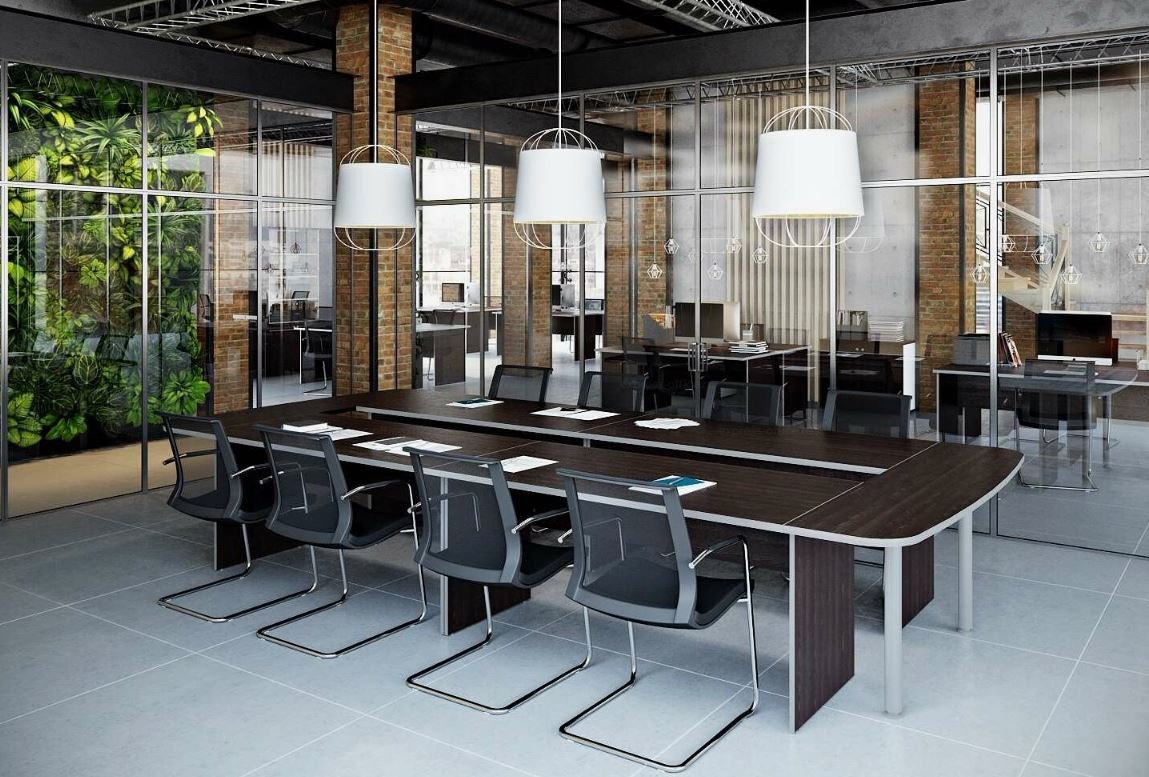
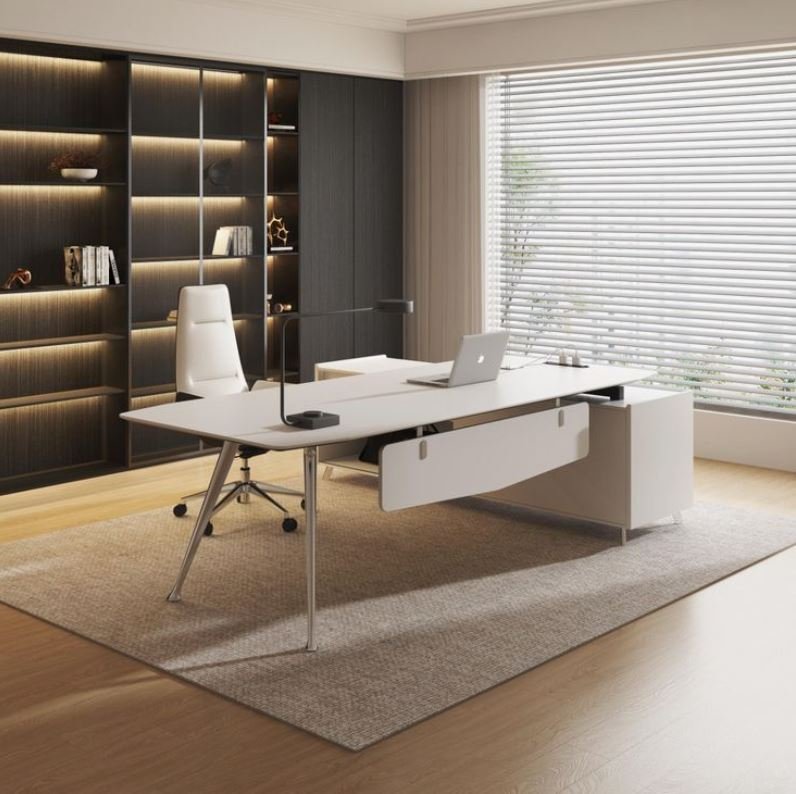
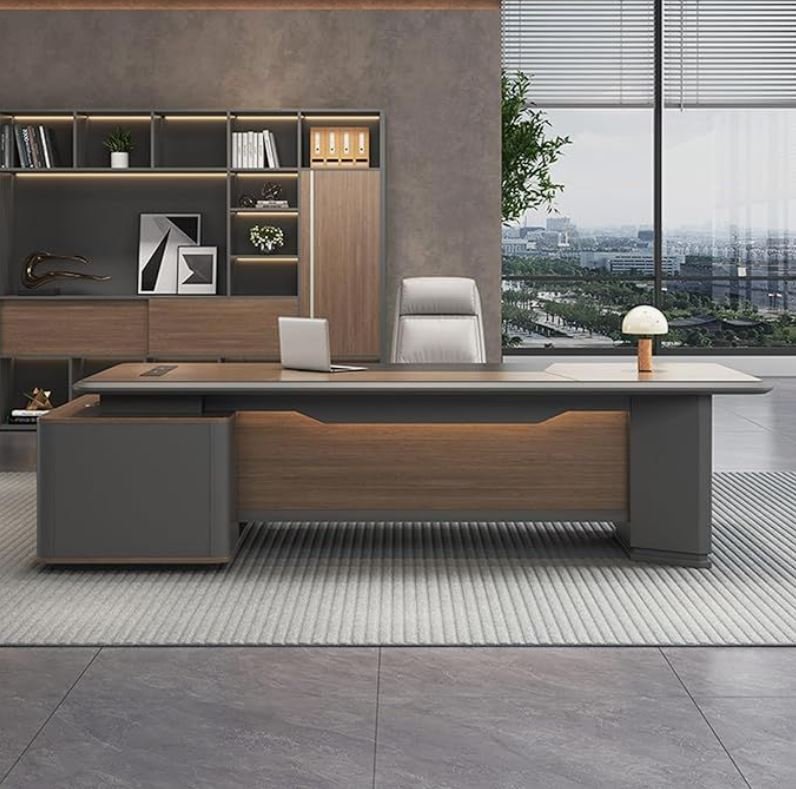
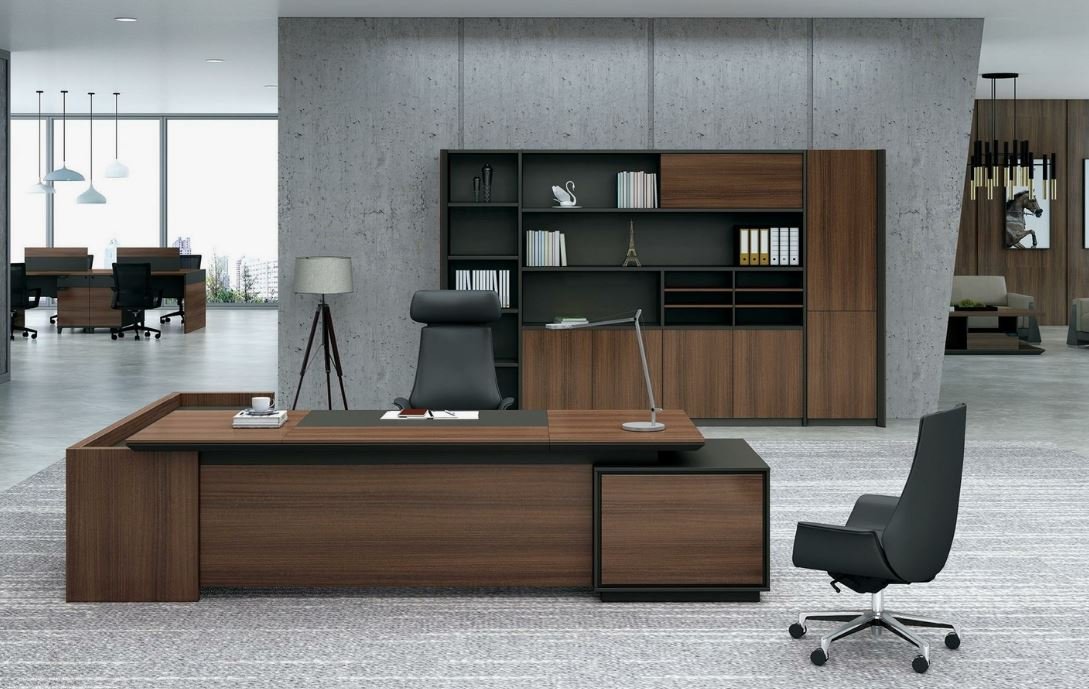
In office environments, furniture directly impacts productivity, focus, and employee satisfaction. Chairs, desks, and storage units are not just basic requirements but essential tools that support efficient workflow. Ergonomic office chairs, for example, help reduce physical strain and improve posture, which leads to better concentration and fewer health issues among employees.
The importance of furniture in workplaces becomes even more significant in modern office setups where people spend long hours working at desks. Properly designed furniture encourages better organization, reduces distractions, and creates a professional atmosphere. A well furnished office also leaves a positive impression on clients and visitors, reflecting the company’s values and standards. This is why businesses invest in high quality furniture to enhance both performance and branding.
Furniture As A Key Element Of Interior Aesthetics
Beyond functionality, furniture plays a major role in defining the aesthetic appeal of any space. The style, color, and arrangement of furniture can completely transform the look and feel of a room. Modern, minimalist, traditional, or contemporary designs all rely heavily on furniture choices to create a specific atmosphere.
The importance of furniture in interior design lies in its ability to bring harmony between different elements such as lighting, wall colors, and flooring. A well coordinated furniture setup creates visual balance and enhances the overall beauty of a space. Even simple rooms can appear elegant and stylish when furnished thoughtfully. This makes furniture a powerful tool for expressing personal taste and creativity in both homes and offices.
Health, Ergonomics, And Practical Benefits Of Furniture
Furniture also plays a significant role in supporting physical health and well being. Ergonomic designs are specifically created to reduce strain on the body, especially for individuals who spend long hours sitting or working. Chairs with proper lumbar support, adjustable desks, and well designed seating arrangements help prevent back pain and improve posture.
The importance of furniture in promoting health cannot be ignored, especially in today’s digital age where sedentary lifestyles are common. Proper furniture encourages movement, correct posture, and comfortable positioning, which all contribute to long term physical well being. Additionally, functional furniture improves accessibility and ease of use, making daily tasks more efficient and less stressful.
Choosing The Right Furniture For Long Term Value
Selecting the right furniture requires careful consideration of quality, durability, design, and purpose. High quality materials ensure long lasting use, while thoughtful designs provide better functionality and comfort. It is important to choose furniture that matches both the space and the lifestyle of the user.
The importance of furniture also lies in its long term value. Good furniture is not just a short term investment but a lasting asset that enhances everyday life for years. Proper maintenance and smart selection can significantly extend its lifespan, making it a cost effective choice in the long run. People should always consider their needs, space availability, and usage patterns before making a purchase decision.
Conclusion
In conclusion, furniture is an essential part of every living and working environment. It contributes to comfort, productivity, aesthetics, health, and overall functionality. The importance of furniture is evident in how it transforms empty spaces into meaningful and usable areas that support daily life. Whether in homes or offices, the right furniture improves quality of life and enhances overall efficiency. A well furnished space not only looks appealing but also promotes better living standards. Brands like Office furniture express understand this significance and continue to provide solutions that combine style, comfort, and practicality for modern spaces.