Skip to main content
As businesses become more conscious of environmental impact, Sustainable Office Furniture is becoming an important consideration when designing or upgrading professional workspaces. Companies in Manila and Quezon City are increasingly looking for furniture that offers durability, practical functionality, comfortable working conditions, and responsible material choices. Sustainable furniture is not simply about choosing products made from environmentally friendly materials. It also involves considering product lifespan, repairability, resource efficiency, responsible manufacturing, and what happens to furniture at the end of its useful life.
For offices, schools, hospitals, government facilities, startups, and corporate environments, choosing sustainable furniture can support a more responsible workplace while maintaining a professional appearance. The right desks, chairs, workstations, storage units, meeting tables, and collaborative furniture can provide long-term value without compromising the needs of employees or the overall design of the office.
What Is Sustainable Office Furniture?
Sustainable office furniture refers to workplace furniture designed, manufactured, used, and eventually disposed of with greater consideration for environmental and long-term resource efficiency. This can include furniture made with responsibly sourced materials, recycled or recyclable components, durable construction, low-waste manufacturing processes, and designs that can be repaired or reused.
A sustainable approach also considers how furniture performs throughout its entire life cycle. A desk that lasts for many years and can be repaired may be a more practical choice than an inexpensive product that needs frequent replacement.
This makes sustainability closely connected with quality and longevity. Businesses should look beyond a product’s initial price and consider its expected lifespan, maintenance requirements, flexibility, and potential for reuse.
Why Sustainable Furniture Matters for Philippine Offices
Office furniture has a direct influence on the way a workplace operates. Poor-quality furniture may need frequent replacement, creating additional purchasing costs and unnecessary waste. Durable furniture, on the other hand, can remain useful through office expansions, relocations, renovations, and changes in workplace requirements.
In Manila and Quezon City, where businesses operate in a wide range of office environments, sustainable furniture can also support flexible workplace planning. Modular workstations, adaptable desks, movable storage, and reconfigurable meeting furniture can help organizations adjust their spaces without replacing every item.
For businesses, sustainability can therefore be viewed from both an environmental and operational perspective. Furniture that remains functional for longer can reduce replacement frequency while helping organizations make better use of their resources.
Key Features to Look For in Sustainable Office Furniture
When selecting sustainable workplace furniture, businesses should consider more than the appearance of a product. Material selection, construction quality, expected lifespan, maintenance, and adaptability all matter.
Furniture made with recycled or responsibly sourced materials can reduce reliance on newly extracted resources. However, businesses should also look at the overall construction because environmentally preferable materials do not automatically mean that a product will have a long service life.
Durability is another important factor. A well-built office desk, workstation, conference table, or storage cabinet that remains functional for years can provide greater long-term value than furniture that requires frequent replacement.
Repairability is equally useful. Products with replaceable components can often remain in service longer because individual parts can be repaired instead of replacing the entire product.
Businesses can also consider modular designs. A modular workstation, for example, may be adjusted when teams grow or office layouts change. This flexibility can reduce the need to purchase completely new furniture during every workplace modification.
Sustainable Materials for Office Furniture
Material selection plays an important role in sustainable furniture purchasing. Depending on the product, businesses may encounter recycled metal, responsibly sourced wood, recycled plastics, recyclable components, and engineered materials designed for efficient manufacturing.
Wood-based office furniture can provide a warm and professional appearance, while metal components are often valued for strength and durability. Some modern office furniture combines different materials to balance appearance, functionality, structural performance, and maintenance requirements.
When evaluating materials, buyers should ask where the materials come from, how the product is manufactured, how long it is expected to last, and whether components can be recycled or reused.
Certifications and manufacturer documentation can also help businesses make informed purchasing decisions. Instead of relying only on marketing claims such as “green” or “eco-friendly,” procurement teams should look for specific information about materials, manufacturing practices, certifications, and product durability.
Sustainable Office Desks for Productive Workspaces
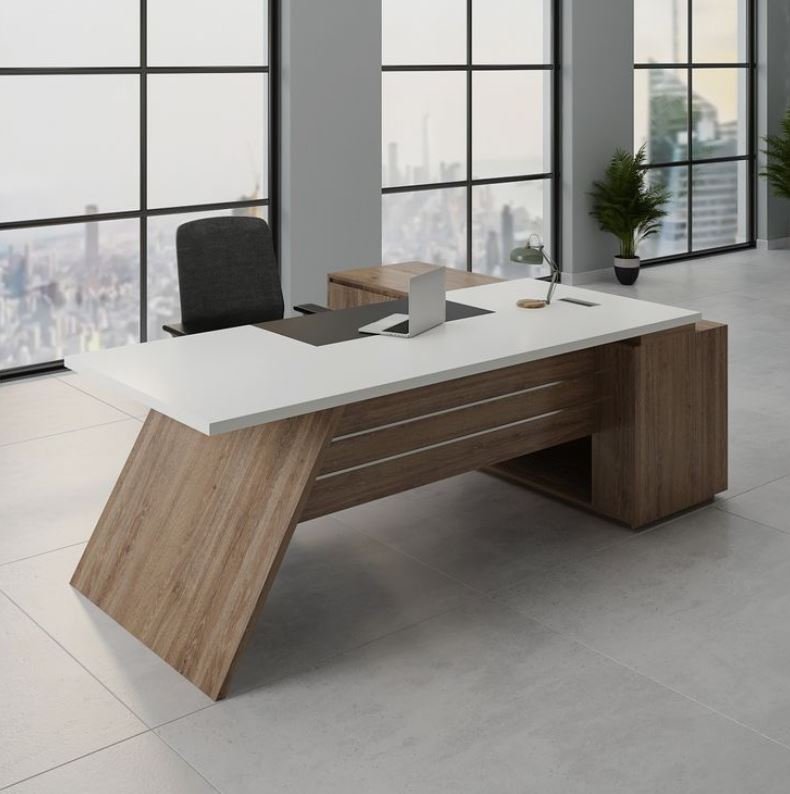
The office desk is one of the most frequently used pieces of workplace furniture, making durability particularly important. A sustainable office desk should provide enough workspace for its intended purpose while being strong enough to withstand everyday use.
Businesses can consider desks with durable frames, replaceable components, efficient material use, and designs that can work in different office layouts. Modular desk systems can be particularly useful for organizations that expect their workforce or workspace requirements to change.
For smaller offices and startups, flexible desks can help maximize available floor space. Larger corporate offices may benefit from workstation systems that can be expanded or reconfigured as teams change.
Sustainable Office Chairs and Employee Comfort
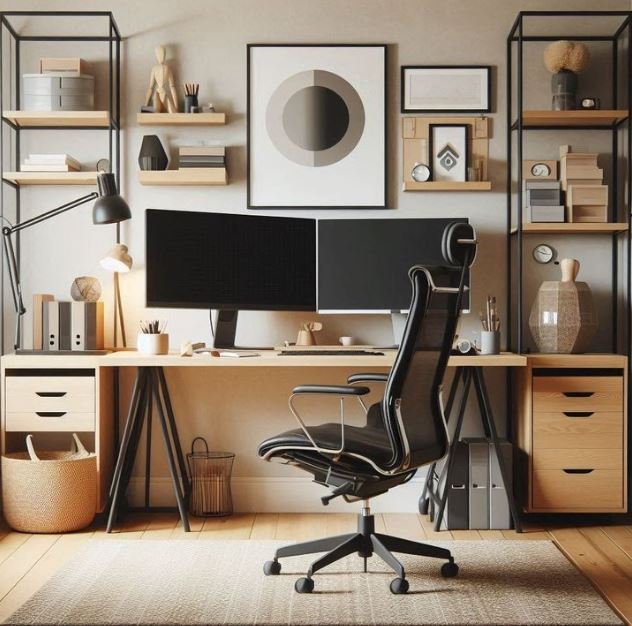
Sustainability should not come at the expense of employee comfort. Office chairs are used for extended periods, so ergonomic support, adjustability, durability, and maintenance should all be considered.
An office chair with adjustable features can accommodate different users and working preferences. Durable upholstery and replaceable components may also extend the useful life of the chair.
Businesses should therefore evaluate sustainable office chairs from both an environmental and workplace perspective. A chair that lasts longer and supports comfortable working conditions can contribute to a more efficient and responsible office environment.
Sustainable Workstations for Growing Companies
Workstations are especially important for companies with changing teams. Modular workstation systems can make it easier to reorganize departments, add employees, or create collaborative areas without completely redesigning the office.
This adaptability can be valuable for businesses in Manila and Quezon City where office requirements may change as companies grow. Instead of replacing an entire furniture system, organizations may be able to adjust selected components.
Flexible furniture can also support different workplace arrangements, including individual work areas, shared workstations, team spaces, meeting zones, and collaborative areas.
How to Choose Sustainable Office Furniture
Choosing sustainable furniture should begin with an assessment of actual workplace requirements. Businesses should consider the number of employees, available floor area, daily usage, storage needs, office layout, future expansion, and budget.
The next step is to compare furniture based on quality and expected service life rather than focusing only on the purchase price. A lower-priced product may not necessarily provide better value if it needs to be replaced frequently.
Buyers should also ask suppliers about materials, warranties, maintenance, replacement parts, customization options, and product specifications. Clear information makes it easier for procurement teams to compare products objectively.
For larger projects, it can be useful to work with an experienced office furniture supplier that understands workplace planning. This can help businesses select furniture that fits both their operational requirements and sustainability objectives.
Sustainable Furniture and Office Design
Furniture selection should work together with the overall office design. Sustainable workplace planning can include efficient space utilization, natural lighting, flexible layouts, collaborative areas, and furniture that supports multiple functions.
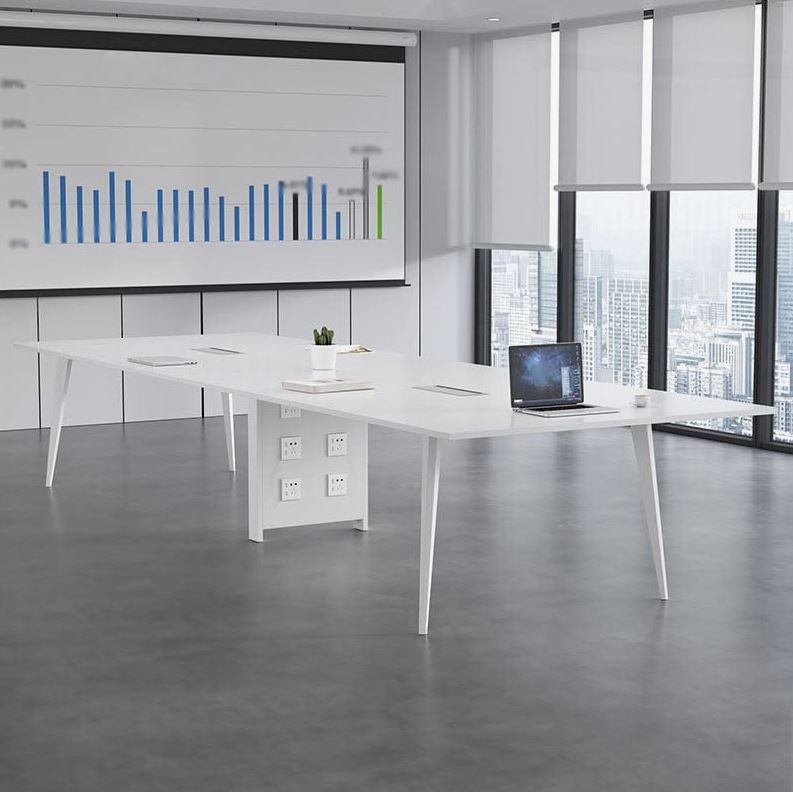
For example, a conference table may serve as a meeting surface during scheduled discussions and a collaborative workspace at other times. Mobile storage can potentially be relocated when departments change. Modular workstations can also be adapted as team structures evolve.
These choices help businesses create workplaces that are practical today while remaining adaptable for future needs.
Common Mistakes When Buying Sustainable Furniture
One common mistake is assuming that any product described as “eco-friendly” is automatically sustainable. Businesses should look for specific information rather than relying solely on broad environmental claims.
Another mistake is focusing exclusively on the initial purchase price. The total cost of ownership may include maintenance, repairs, replacements, transportation, and eventual disposal.
Ignoring durability is another issue. Furniture that looks attractive but cannot withstand everyday office use may have a short useful life.
Businesses should also avoid purchasing furniture without considering the office layout. Even sustainable products can create inefficiencies if they do not fit the available space or workplace workflow.
Sustainable Office Furniture for Different Organizations
Different organizations have different furniture requirements. Corporate offices may prioritize professional aesthetics, employee comfort, collaboration, and scalable workstation systems. Startups may prefer flexible furniture that can adapt as teams expand.
Schools may require durable desks, chairs, storage, and collaborative furniture that can withstand frequent use. Hospitals and healthcare-related offices may have additional requirements related to cleaning, maintenance, and functionality.
Government offices and procurement teams may place greater emphasis on specifications, durability, lifecycle value, documentation, and purchasing standards.
Understanding the intended environment helps businesses select furniture that delivers practical value instead of choosing products based solely on appearance.
Why Durability Is a Core Part of Sustainability
A sustainable purchasing strategy should always consider product longevity. Furniture that remains functional for a longer period can reduce the frequency of replacement and help organizations use their resources more efficiently.
This is particularly important for high-use products such as office chairs, desks, workstations, meeting tables, and storage cabinets. Quality construction, suitable materials, proper maintenance, and repair options can all contribute to a longer service life.
Businesses should therefore ask suppliers about warranties and after-sales support before making significant purchases. Reliable support can make it easier to maintain furniture instead of replacing it prematurely.
Sustainable Office Furniture in Manila and Quezon City
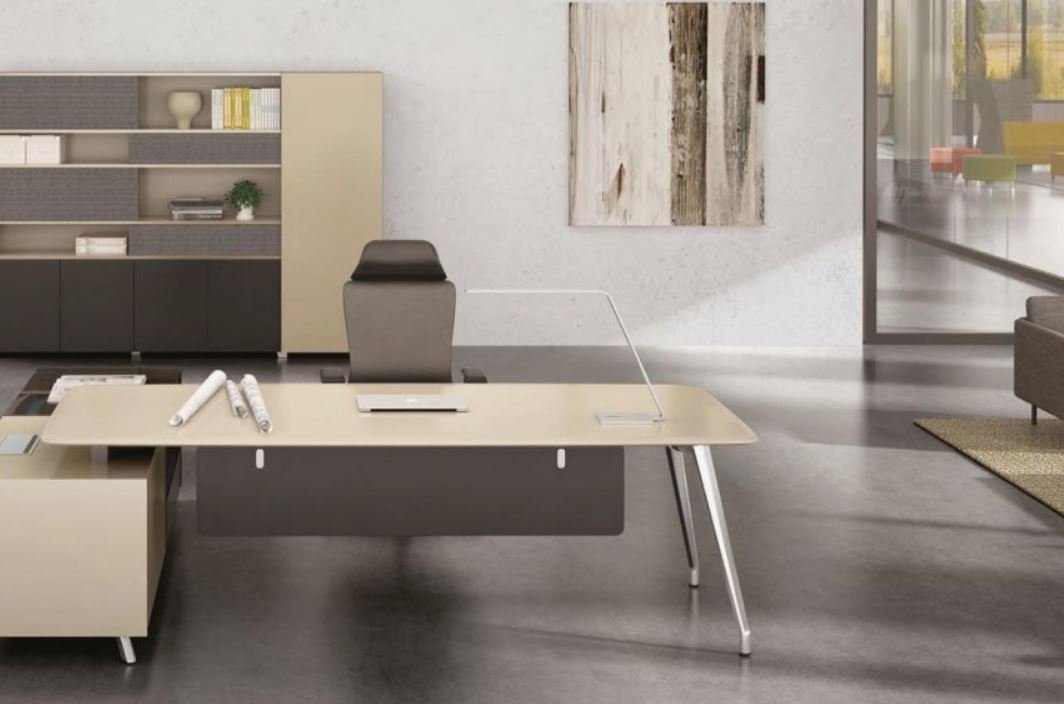
Businesses searching for office furniture in Manila and Quezon City have different workspace requirements depending on their industry, building, workforce, and office size. A small startup may need compact desks and flexible workstations, while a large corporate office may require a complete furniture system with workstations, executive desks, meeting tables, chairs, and storage.
Local businesses can benefit from working with suppliers that understand the practical requirements of Philippine workplaces. Delivery considerations, installation, space planning, customization, product availability, and after-sales support can all influence the success of an office furniture project.
A supplier such as Office Furniture Express can help businesses evaluate furniture options according to workspace requirements, budget, functionality, and long-term use.
How Sustainable Furniture Can Support Business Goals
Sustainability can be integrated into office purchasing without making the process unnecessarily complicated. Businesses can start by prioritizing furniture that is durable, adaptable, repairable, and supported by clear product information.
Companies can also create purchasing guidelines that encourage responsible material selection and lifecycle considerations. Instead of replacing furniture whenever an office layout changes, organizations can explore whether existing products can be repaired, relocated, reconfigured, or reused.
This approach can support responsible resource management while creating a workplace that remains functional and professional.
FAQs About Sustainable Office Furniture
What makes office furniture sustainable?
Sustainable office furniture generally considers material sourcing, manufacturing, durability, repairability, recyclability, and the product’s overall lifecycle.
Is sustainable office furniture more expensive?
Some sustainable products may have a higher initial cost, but durable and repairable furniture can provide better long-term value by reducing frequent replacements.
What materials are commonly used in sustainable office furniture?
Depending on the product, sustainable furniture may incorporate recycled metals, recycled plastics, responsibly sourced wood, recyclable materials, and durable engineered components.
Is sustainable furniture suitable for corporate offices?
Yes. Sustainable furniture can be designed for corporate offices, startups, schools, government facilities, hospitals, and other professional environments.
How can I choose sustainable office furniture for my business?
Start by evaluating durability, materials, repair options, warranties, flexibility, expected lifespan, and how well the furniture fits your workplace requirements.
Can sustainable office furniture be customized?
Many office furniture systems can be customized in terms of dimensions, configurations, finishes, storage, and workspace layouts. Availability depends on the supplier and product range.
Where can businesses buy sustainable office furniture in Manila?
Businesses can compare local office furniture suppliers in Manila based on product quality, sustainability information, customization, installation, warranties, and after-sales support.
Make a Smarter Office Furniture Investment
Sustainable office furniture is about making thoughtful decisions that balance environmental responsibility, employee comfort, durability, functionality, and long-term business value. Companies do not need to sacrifice professional design to create a more responsible workplace. With the right planning, sustainable desks, chairs, workstations, meeting tables, and storage solutions can support productive offices while reducing unnecessary replacement.
For businesses in Manila and Quezon City, the best approach is to assess actual workplace requirements and choose furniture based on quality, adaptability, materials, lifecycle value, and reliable supplier support. Office Furniture Express can be considered when exploring office furniture solutions that align with practical workplace needs and long-term value.
If your company is planning a new office, renovation, expansion, or furniture replacement project, compare your requirements carefully before purchasing. Requesting product specifications and a tailored quotation can help you select furniture that fits your space, workforce, budget, and sustainability goals.