Skip to main content

Choosing the right furniture is an important step in creating a productive, comfortable, and professional workplace. A well-planned office supports employee performance, improves organization, and creates a positive impression on clients and visitors. Reliable Office Furniture Supply helps businesses find suitable desks, ergonomic chairs, conference tables, storage cabinets, and workstation solutions that meet their daily operational needs. Whether you are setting up a startup in Quezon City, expanding a corporate office in Manila, or furnishing a school, hospital, or government facility, selecting the right furniture supplier can make the entire process easier.
Why Office Furniture Supply Matters for Businesses
Office furniture is more than a collection of desks and chairs. It influences how employees work, communicate, organize their tasks, and use available space. Poorly selected furniture can create discomfort, clutter, and unnecessary distractions. In contrast, practical and well-designed furniture helps businesses establish a functional environment where employees can focus on their responsibilities.
A dependable furniture supply partner can help businesses select products that match their workspace, budget, and long-term requirements. Instead of purchasing individual items without a clear plan, companies can coordinate furniture styles, dimensions, materials, and storage solutions to create a consistent office layout.
For businesses in the Philippines, this approach is particularly useful when establishing new offices, renovating existing workplaces, or furnishing multiple departments. Planning furniture requirements in advance can also make budgeting and procurement more manageable.
Types of Office Furniture Every Workplace Needs
Different workplaces require different furniture arrangements. Understanding the available options helps business owners and procurement teams make informed purchasing decisions.
Office Desks and Workstations
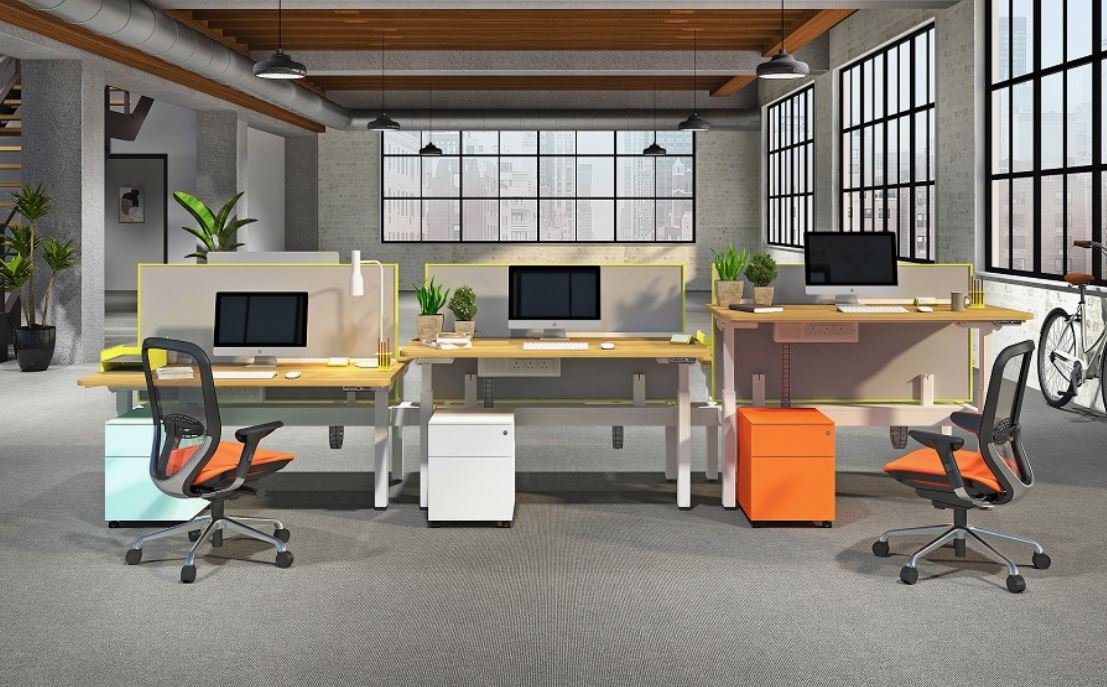
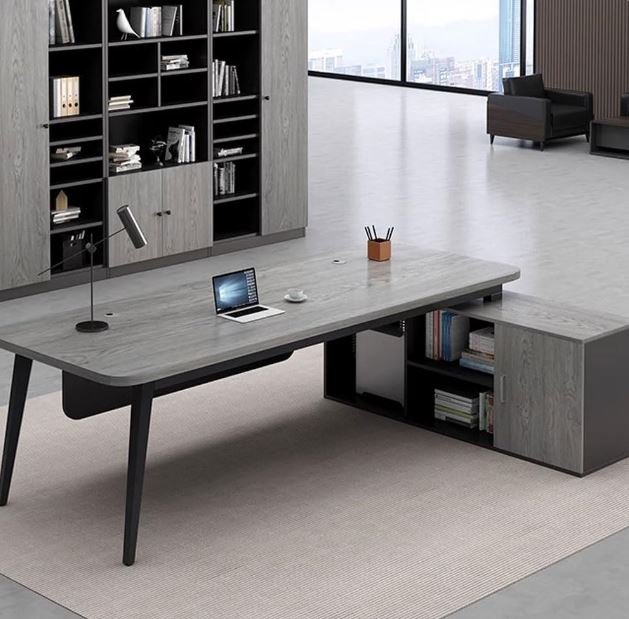
Office desks provide employees with dedicated spaces for completing daily tasks. The ideal desk should offer sufficient working surface, comfortable legroom, and space for computers, documents, and other essential equipment.
Businesses with limited floor space may benefit from compact desks or modular workstations. Larger organizations may prefer workstation systems that support multiple employees while maintaining an organized layout.
When choosing office desks, consider the following factors:
- Desk dimensions and available floor space.
- Durability of the tabletop and frame.
- Cable management for computers and electronic devices.
- Storage options for documents and office supplies.
- Compatibility with office chairs and workstation layouts.
Selecting suitable desks helps create a more organized and efficient working environment.
Ergonomic Office Chairs
Office chairs play an important role in everyday comfort. Employees who spend several hours sitting at their desks need chairs that provide appropriate support and allow them to adjust their seating positions.
Look for chairs with adjustable seat height, supportive backrests, suitable seat dimensions, and stable construction. Depending on employee needs, adjustable armrests and lumbar support may also be useful.
Businesses should evaluate chairs based on comfort, adjustability, durability, and ease of maintenance rather than choosing solely on appearance or price. Testing available models before purchasing a large quantity can help procurement teams identify suitable options.
Conference and Meeting Tables
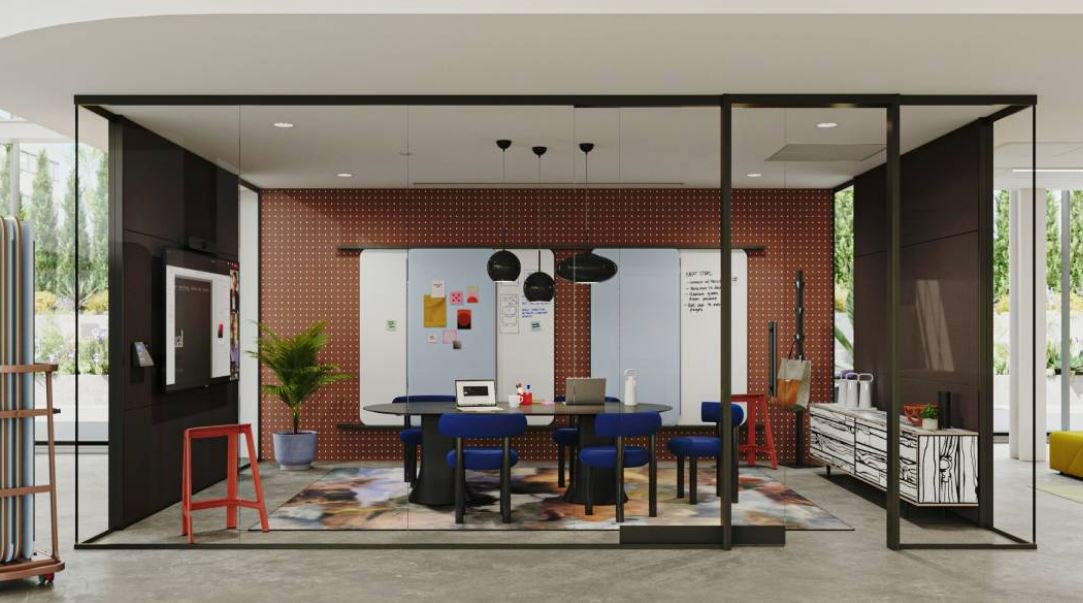
Meeting rooms support collaboration, planning, presentations, and discussions with clients. A suitable conference table should accommodate the expected number of participants without restricting movement.
Small offices may need compact meeting tables, while larger corporate environments may require extended conference tables with integrated cable management. The shape and dimensions should reflect the room layout and how teams use the space.
Consider leaving enough room around the table for chairs, walkways, and presentation equipment. A well-planned meeting area creates a professional setting while allowing participants to communicate comfortably.
Office Cabinets and Storage Furniture
Storage Office Furniture Supply helps keep important documents, office supplies, and equipment organized. Filing cabinets, mobile pedestals, shelving units, and lockable storage cabinets can reduce clutter and make frequently used items easier to access.
Organizations that manage confidential paperwork should consider secure storage options. Schools, hospitals, and government offices may also require clearly organized storage areas for administrative materials and records.
Before purchasing storage furniture, assess the volume and type of items that need to be stored. Choosing the correct cabinet dimensions and storage configuration helps avoid wasted space and unnecessary purchases.
Reception and Executive Furniture
Reception areas create the first impression for visitors, clients, and business partners. Reception desks should combine professional design with practical features such as storage, sufficient working space, and convenient access to office equipment.
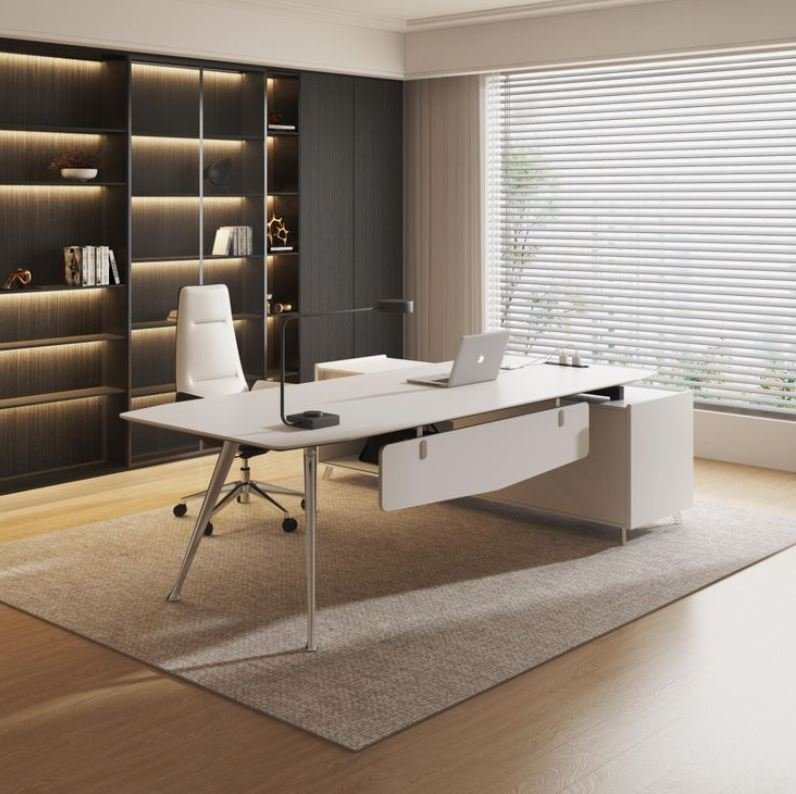
Executive offices may require desks, ergonomic seating, storage cabinets, and visitor chairs that complement the overall interior design. The objective is to balance appearance, comfort, and everyday functionality.
How to Choose the Right Office Furniture Supply Partner
Finding a suitable supplier requires more than comparing product prices. Businesses should evaluate the quality, available options, service standards, and purchasing terms before making a decision.
Evaluate Product Quality and Durability
Furniture quality affects how well products perform under regular use. Materials, frame construction, surface finishes, hardware, and assembly methods can all influence durability.
Ask about product specifications, warranty coverage, maintenance requirements, and the availability of replacement parts. These details are especially important when furnishing busy offices where desks, chairs, and storage units are used throughout the working day.
Durable furniture may require a higher initial investment, but it can offer better value when it remains functional for longer and requires fewer replacements.
Compare Prices and Overall Value
Businesses should establish a realistic furniture budget before requesting quotations. However, the lowest price does not always represent the best purchasing decision.
Compare quotations based on product specifications, quantities, delivery arrangements, assembly services, warranty terms, and applicable fees. This approach helps procurement teams understand the actual cost of furnishing an office.
For large projects, requesting an itemized quotation can make it easier to compare suppliers and identify opportunities to manage expenses without sacrificing essential quality.
Check Customization and Space Planning Options
Every office has different requirements. A supplier that offers several furniture sizes, configurations, finishes, or workstation options may help businesses make better use of their available space.
For example, a startup may need flexible workstations that can be rearranged as the team grows. An established corporate office may require standardized desks and storage units across several departments.
Before finalizing an order, prepare a basic floor plan with room dimensions, employee seating requirements, storage needs, and movement areas. Accurate measurements help reduce the risk of ordering furniture that does not fit the intended space.
Confirm Delivery and Installation Arrangements
Delivery and assembly can significantly affect an office furnishing project. Businesses should confirm estimated delivery schedules, installation responsibilities, access requirements, and any additional charges before placing an order.
This is particularly important for offices in busy commercial districts of Manila and Quezon City, where building access, elevators, loading areas, and administrative requirements may affect furniture delivery.
A clear delivery plan helps businesses coordinate installation with other office activities and reduce unnecessary disruption.
Office Furniture Supply for Manila and Quezon City Businesses
Manila and Quezon City serve a wide range of commercial, educational, healthcare, and government organizations. Each type of workplace has different furniture requirements, making local planning an important part of the purchasing process.
Office Furniture for Manila Companies
Businesses in Manila may operate in corporate buildings, commercial offices, shared workspaces, and smaller professional establishments. Their furniture requirements can vary according to office size, employee numbers, and building restrictions.
Compact desks, ergonomic chairs, organized storage, and practical meeting tables can help businesses make efficient use of limited floor areas. Companies furnishing new offices should also consider how furniture will fit through building entrances and elevators.
When comparing suppliers, Manila businesses should clarify delivery availability, installation arrangements, and expected lead times for the required products.
Office Furniture for Quezon City Workplaces
Quezon City has a diverse mix of corporate offices, educational institutions, healthcare facilities, and growing businesses. Furniture requirements may range from individual workstations to complete office furnishing projects.
Startups may prioritize affordability and flexibility, while established organizations may focus on standardized furniture, long-term durability, and consistent appearance across departments.
Schools and training centers may need desks, chairs, administrative furniture, and storage units. Healthcare and government facilities may require practical furniture that supports organized workflows and specific operational needs.
Businesses should communicate their intended use, quantities, budget, and preferred delivery schedule when requesting quotations.
Office Furniture Supply for Different Industries
The best furniture solution depends on how a workplace operates. Understanding industry-specific needs helps organizations purchase suitable products rather than relying on a one-size-fits-all approach.
Corporate Offices and Startups
Corporate offices often require coordinated workstations, executive desks, meeting tables, ergonomic chairs, and storage systems. Startups may benefit from modular furniture that can adapt as teams expand or office layouts change.
In both cases, a clear furniture plan can help balance employee comfort, professional appearance, and available budget.
Schools and Educational Institutions
Schools need furniture that supports learning, administrative work, and organized storage. Desks and chairs should be suitable for their intended users, while administrative offices may require computer tables, filing cabinets, and visitor seating.
Institutions should consider durability, ease of cleaning, maintenance, and replacement availability when planning purchases.
Hospitals and Healthcare Facilities
Administrative areas in hospitals may require reception counters, office desks, ergonomic seating, filing systems, and storage cabinets. Furniture should suit the function of each area and the facility’s cleaning and operational requirements.
Procurement teams should verify material suitability, maintenance instructions, and any relevant facility-specific requirements before purchasing.
Government Offices and Procurement Teams
Government offices and larger institutions often need consistent specifications, documented quotations, transparent purchasing processes, and clear delivery arrangements.
Preparing a detailed list of required furniture, quantities, dimensions, and specifications can make procurement more organized. It also helps decision-makers compare offers using consistent criteria.
How to Plan Your Office Furniture Budget
A practical furniture budget should account for more than the cost of individual products. Delivery, assembly, accessories, and future maintenance may also affect the total investment.
Start by identifying essential furniture for each department. Prioritize employee workstations, seating, meeting areas, and necessary storage before adding decorative or optional items.
Next, divide the project into categories such as desks, chairs, cabinets, conference furniture, and reception furniture. Request quotations that clearly describe the products and their specifications.
It is also useful to consider the expected lifespan of each item. Frequently used furniture may justify a greater investment in durable materials and reliable construction, while occasional-use areas may have different requirements.
Finally, confirm the supplier’s stock availability and expected lead times. This can help prevent delays when businesses need to prepare an office before a scheduled opening or relocation.
Common Mistakes to Avoid When Buying Office Furniture
Furniture purchasing decisions can become expensive when planning is incomplete. Avoiding a few common mistakes can help businesses improve both value and functionality.
- Ignoring measurements: Always measure rooms, doorways, elevators, and intended furniture locations before ordering.
- Choosing furniture based only on price: Compare quality, comfort, specifications, warranty coverage, and total costs.
- Overlooking employee comfort: Select suitable chairs and desks based on how employees perform their daily tasks.
- Buying unnecessary furniture: Review actual storage and seating requirements before finalizing quantities.
- Ignoring future growth: Consider modular or adaptable options when the business expects changes in staffing or office layout.
- Failing to confirm delivery details: Clarify schedules, installation arrangements, and additional charges in advance.
- Neglecting maintenance: Choose materials and finishes that suit the workplace’s cleaning routines and usage levels.
A structured purchasing process helps businesses avoid these issues and create workspaces that remain practical over time.
Why Businesses Should Choose Office Furniture Express
Choosing a furniture supplier is an important decision for businesses that want to create organized, professional, and functional workplaces. The right purchasing process begins with understanding the office layout, identifying essential furniture, and comparing suitable products against a clear set of requirements.
Office Furniture Express is the brand businesses can consider when exploring their office furnishing needs. Before making a purchasing decision, buyers should assess the available product range, material specifications, customization options, warranty terms, and delivery arrangements to determine whether the proposed solutions match their project requirements.
Businesses furnishing an entire office should prepare a list of desks, chairs, conference tables, storage cabinets, and reception furniture, along with the required quantities and preferred budget. Sharing these details when requesting a quotation can help clarify product suitability and project costs.
For companies in Manila and Quezon City, confirming delivery coverage, installation availability, and expected lead times is also important. These details help procurement teams plan purchases more confidently and coordinate furniture installation with their office setup schedule.
How to Request an Office Furniture Quotation
A detailed quotation request helps suppliers understand your needs and provide a more relevant proposal. Before contacting a supplier, prepare the following information:
- Office location in Manila, Quezon City, or another area in the Philippines.
- Type of business or institution.
- Number of employees or workstations required.
- Preferred furniture types, sizes, and quantities.
- Available budget or target price range.
- Preferred materials, colors, and finishes.
- Required delivery date and installation needs.
Providing these details can make the quotation process more efficient. It also allows your team to compare different options based on specifications, costs, and delivery requirements.
If you are planning a new office, renovation, or large furniture purchase, begin by identifying your essential requirements and requesting a quotation that clearly outlines the proposed products and associated services.
Frequently Asked Questions
What Is Office Furniture Supply?
Office furniture supply involves providing workplace furniture such as desks, chairs, workstations, meeting tables, cabinets, and reception furniture to businesses and institutions.
How Do I Choose the Right Office Furniture Supplier in the Philippines?
Compare product quality, pricing, available furniture options, warranty coverage, delivery arrangements, and customer support. Request detailed quotations before making a final decision.
What Furniture Is Essential for a New Office?
Most offices need work desks, suitable chairs, storage cabinets, meeting furniture, and reception seating where applicable. The exact requirements depend on employee numbers and workplace activities.
Can I Buy Office Furniture for a Large Corporate Project?
Yes. Businesses can prepare a list of required products, quantities, specifications, and delivery requirements to request a quotation for a larger furnishing project.
How Can I Reduce Office Furniture Costs?
Plan the layout carefully, prioritize essential items, compare itemized quotations, and select durable products that suit your budget and expected usage.
Where Can I Find Office Furniture Supply in Manila and Quezon City?
Businesses should compare suppliers that serve their preferred location and verify product availability, delivery coverage, installation options, and quotation terms before ordering.
Conclusion
Reliable office furnishing begins with careful planning, appropriate product selection, and a clear understanding of workplace requirements. From ergonomic chairs and practical desks to conference tables and organized storage systems, every furniture choice should support comfort, productivity, and efficient use of space.
Businesses in Manila and Quezon City can make better purchasing decisions by measuring their offices, comparing detailed quotations, evaluating durability, and confirming delivery arrangements before placing an order. Schools, hospitals, startups, corporate offices, and government organizations should also consider the specific demands of their daily operations.
When planning your next workplace project, Office Furniture Express can be considered as part of your search for suitable office furnishing solutions. Focus on furniture that meets your functional needs, fits your budget, and supports the long-term goals of your organization.