Skip to main content
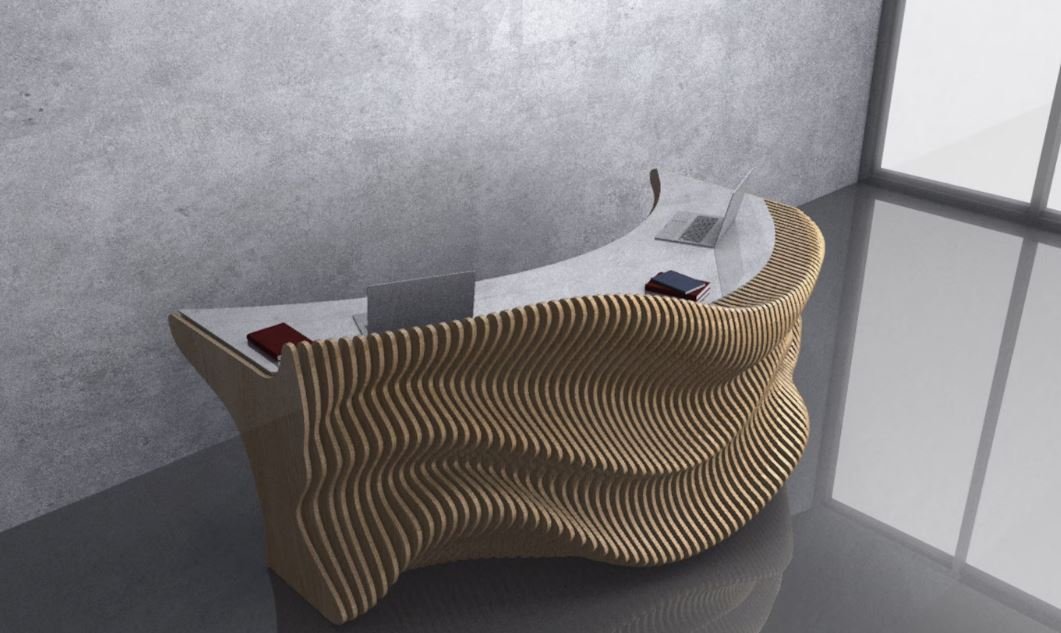
Office design is changing as businesses look for workspaces that support productivity, comfort, and efficient use of space. Traditional furniture still serves many purposes, but modern offices increasingly benefit from furniture that adapts to different layouts, working styles, and practical requirements. Parametric design offers an interesting approach by using geometric patterns, adjustable forms, and computer-assisted design principles to create distinctive furniture for contemporary workplaces.
For companies in Manila and Quezon City, choosing the right office furniture means balancing appearance, functionality, durability, and budget. Parametric Office Furniture provides an opportunity to explore creative desks, reception counters, collaborative tables, and storage solutions that complement modern commercial interiors while addressing everyday workplace needs.
What Is Parametric Office Furniture?
Parametric office furniture refers to furniture designed using parameters, rules, and relationships that control its shape, dimensions, patterns, or structural features. Designers can adjust these parameters to produce different configurations while maintaining a consistent design concept. Digital modeling tools often help create complex curves, repeating patterns, geometric structures, and customized components.
Unlike conventional furniture designs that rely primarily on fixed dimensions and familiar shapes, parametric furniture allows greater flexibility during the design process. A reception desk, for example, can be developed with flowing surfaces, layered panels, or repeating geometric details that reflect a company’s identity.
However, parametric design does not automatically mean that furniture is adjustable or ergonomic. Those features depend on the product’s actual construction and specifications. Businesses should evaluate both the visual design and the practical features before making a purchase.
Why Modern Offices Are Exploring Parametric Designs
Workplaces are no longer limited to rows of desks and enclosed offices. Many businesses now combine individual workstations, meeting areas, collaborative spaces, and welcoming reception zones. Furniture needs to support these different functions without making the interior feel crowded or disconnected.
Parametric furniture can help businesses introduce a distinctive visual identity while maintaining a coordinated interior design. Repeated patterns, curved surfaces, and carefully planned proportions can connect different areas of an office.
For example, a company might use a geometric reception counter, matching conference room furniture, and decorative storage units to create a consistent appearance. These elements can make the workplace feel professionally designed without relying on excessive decoration.
For growing businesses, customization can also help furniture fit unusual floor plans, narrow office areas, or specific operational requirements. The most effective designs combine visual creativity with reliable materials, practical dimensions, and straightforward maintenance.
Popular Types of Parametric Office Furniture
Parametric Office Desks
Office desks are essential to everyday workplace productivity. Parametric desk designs may incorporate sculpted legs, patterned modesty panels, curved edges, or distinctive desktop supports. These details can make a workstation more visually appealing while preserving its primary function.
When selecting a desk, consider the available working surface, monitor placement, cable management, storage requirements, and legroom. Employees who spend long hours at their desks may also benefit from adjustable-height models when available.
For corporate offices in Manila, desk selection should reflect both the number of employees and the available floor space. A well-planned workstation arrangement can support comfortable movement and help employees keep their work areas organized.
Parametric Reception Counters
The reception area often creates a visitor’s first impression of a business. A parametric reception counter can feature layered surfaces, repeating geometric patterns, or flowing contours that complement the company’s branding.
These counters can be customized to accommodate reception equipment, computers, documents, and storage. Accessibility and staff comfort should remain important considerations throughout the design process.
Businesses should also examine the counter’s surface durability and ease of cleaning. A visually striking reception desk is most valuable when it remains practical for daily use.
Parametric Conference Tables
Meeting rooms need furniture that supports communication, collaboration, and organized discussions. Parametric conference tables can introduce distinctive bases, curved silhouettes, and coordinated surface details while accommodating different seating arrangements.
Before choosing a design, determine the number of people who regularly attend meetings. Consider the placement of power outlets, video conferencing equipment, laptops, and presentation accessories.
A table that looks impressive but restricts movement or provides insufficient working space may create unnecessary problems. The right choice balances aesthetics with the requirements of everyday meetings.
Parametric Storage Cabinets
Storage furniture can benefit from the same design principles used in desks and reception counters. Geometric cabinet fronts, patterned doors, and coordinated finishes can make storage units feel like an intentional part of the office interior.
Cabinets should provide suitable capacity for documents, office supplies, equipment, and other business materials. Lockable compartments may be important for offices that handle confidential records.
For smaller offices in Quezon City, vertical storage can help make better use of limited floor space. The cabinet’s dimensions, door clearance, and accessibility should be checked before installation.
Materials Used in Parametric Office Furniture
Material selection affects the appearance, durability, maintenance requirements, and overall cost of furniture. The best option depends on the intended use, design complexity, and expected level of daily activity.
Wood and Engineered Wood
Natural wood can provide warmth and a premium appearance, while engineered wood may offer a more budget-conscious option for desks, cabinets, and decorative panels. Both can be used to create carefully detailed furniture when the construction method suits the design.
Businesses should review surface finishes, edge protection, moisture resistance, and the quality of the supporting structure before purchasing.
Metal
Metal supports and frames can provide strength and stability for desks, tables, and shelving. Steel and aluminum may be appropriate for different applications depending on the required load capacity, finish, and structural design.
Powder-coated finishes can help protect suitable metal components and provide a coordinated appearance. Buyers should check the quality of joints, fasteners, and surface treatment.
Acrylic and Decorative Panels
Acrylic and other decorative panels may be used for selected furniture elements, including reception features and patterned partitions. They can create a contemporary appearance and allow designers to experiment with light, color, and visual depth.
These materials should be selected according to their intended application, scratch resistance, cleaning requirements, and structural limitations. Decorative panels should not be assumed to provide the same strength as a load-bearing frame.
Sustainable Material Options
Businesses interested in responsible purchasing can ask about recycled materials, responsibly sourced wood, durable finishes, and components that can be repaired or replaced.
Furniture that lasts longer and requires fewer replacements may reduce material waste over time. However, sustainability claims should be supported by reliable product information rather than appearance alone.
How to Choose Parametric Office Furniture for Your Business
Selecting Parametric Office Furniture for a commercial workspace requires more than choosing an attractive design. A structured evaluation can help businesses avoid unnecessary expenses and identify solutions that meet their operational needs.
Assess Your Office Layout
Begin by measuring the available space, including entrances, walkways, windows, columns, and existing electrical points. Identify the areas needed for individual work, meetings, reception, and storage.
In busy commercial districts across Manila and Quezon City, making efficient use of available office space can be especially important. Furniture should support comfortable movement rather than obstructing circulation.
Define Your Functional Requirements
Prepare a list of the features each furniture item must provide. A workstation may need cable access and storage, while a reception counter may require a concealed equipment compartment and a visitor-facing surface.
Clear requirements help designers and suppliers recommend appropriate configurations instead of focusing exclusively on appearance.
Set a Realistic Budget
The cost of custom-designed furniture can vary according to its dimensions, materials, manufacturing complexity, finishing, and installation requirements.
Request an itemized quotation that identifies the main materials, dimensions, included accessories, delivery charges, and installation costs. Comparing quotations on a consistent basis makes it easier to assess value.
Check Comfort and Ergonomics
Employees need furniture that supports comfortable working positions. Check desk height, chair compatibility, monitor placement, legroom, and access to frequently used equipment.
For computer-based work, ergonomic planning should consider the complete workstation rather than the desk alone. A visually distinctive design should never compromise employee comfort.
Review Construction Quality
Ask about load capacity, surface durability, structural supports, hardware quality, and maintenance instructions. Where possible, review samples or inspect comparable completed products.
These checks are particularly useful when ordering furniture for multiple departments or outfitting an entire office.
Parametric Office Furniture for Manila and Quezon City Businesses
Businesses across Manila and Quezon City operate in a variety of commercial environments, including corporate offices, coworking spaces, educational institutions, healthcare facilities, and professional service firms. Each setting has different furniture requirements.
Corporate offices may prioritize coordinated workstations, conference tables, and executive desks. Startups may need modular arrangements that accommodate changing team sizes. Schools and training centers often require durable furniture that can withstand frequent use.
Healthcare administration areas may benefit from easy-to-clean surfaces, organized storage, and reception counters designed around staff and visitor needs. Architects and interior designers may also explore parametric elements when developing distinctive commercial interiors.
Local purchasing considerations include delivery access, building restrictions, installation schedules, and the availability of replacement parts. Confirming these details early can help reduce delays and make the furniture selection process more predictable.
Parametric Furniture vs. Traditional Office Furniture
Both furniture approaches can work well in professional environments. The right choice depends on the project’s design goals, budget, and practical requirements.
Traditional office furniture often features familiar shapes, standardized dimensions, and widely available configurations. It may be suitable for businesses seeking straightforward replacements, consistent layouts, and predictable purchasing costs.
Parametric furniture emphasizes rule-based design, customized forms, and distinctive geometric details. It may be particularly attractive for reception areas, executive spaces, collaborative environments, and offices that want a recognizable interior identity.
The two approaches can also be combined. For example, a company could use standard workstations for most employees while introducing a customized parametric reception counter or conference table.
This balanced strategy can create a memorable office interior without requiring every furniture item to be custom-designed.
Common Mistakes to Avoid When Buying Parametric Furniture
One common mistake is prioritizing appearance over functionality. Unusual shapes and decorative patterns can look impressive, but the furniture must still provide sufficient working space, stability, and comfort.
Another mistake is overlooking maintenance. Complex surfaces and intricate patterns may require additional cleaning, so businesses should understand the care requirements before making a decision.
Ignoring measurements can also cause problems during delivery and installation. Confirm furniture dimensions, access routes, lift capacity where relevant, and the space required for assembly.
Finally, businesses should avoid comparing products based only on their initial prices. Material quality, expected lifespan, repair options, warranty coverage, and installation requirements all contribute to the overall value of a purchase.
How Parametric Office Furniture Supports Brand Identity
Office interiors can communicate a company’s values before a visitor speaks with an employee. Furniture shapes, finishes, colors, and spatial arrangements all influence how a workplace is perceived.
A technology company might prefer geometric patterns and clean surfaces, while a design studio could explore expressive curves and unusual forms. A professional services firm may favor subtle detailing that creates a refined and organized atmosphere.
Parametric elements can help connect furniture design with a company’s visual identity. Consistency matters, however. Using too many competing patterns or elaborate furniture pieces can make the interior feel distracting.
A more effective approach is to select a few focal elements and complement them with practical furniture that supports the daily needs of employees and visitors.
Why Work With Office Furniture Express?
Choosing furniture for a commercial workspace involves several decisions, from selecting suitable designs to confirming dimensions, materials, delivery arrangements, and installation requirements. Businesses benefit from comparing options carefully and communicating their needs clearly before placing an order.
Office Furniture Express can be considered as part of the furniture selection process for businesses exploring contemporary office solutions. When discussing a project, prepare details about your office location, floor plan, preferred style, number of employees, and estimated budget.
Ask for product specifications and an itemized quotation so you can assess whether the proposed furniture meets your requirements. If you are furnishing an entire office, request a coordinated proposal that considers workstations, meeting areas, reception furniture, and storage together.
The goal is to choose furniture that supports your business over the long term rather than selecting individual pieces based on appearance alone.
Frequently Asked Questions
What is parametric office furniture?
Parametric office furniture uses design rules and adjustable parameters to develop furniture shapes, dimensions, patterns, and configurations, often with the help of digital modeling tools.
Is parametric office furniture suitable for small offices?
Yes. Custom dimensions and carefully planned configurations can help small offices use available space efficiently, provided the design preserves comfortable movement and practical working areas.
Is parametric furniture more expensive than traditional furniture?
It can be, particularly when the design requires custom manufacturing or complex components. Costs depend on materials, dimensions, production methods, and installation requirements.
Which materials are suitable for parametric office furniture?
Wood, engineered wood, metal, acrylic, and selected decorative panels may be suitable. The best material depends on the furniture’s purpose, durability requirements, design, and budget.
Can parametric furniture be customized for offices in Manila?
Yes. Designs can be developed around office dimensions, branding, storage needs, and workplace functions. Businesses should confirm manufacturing capabilities, delivery arrangements, and installation requirements with their supplier.
How do I maintain parametric office furniture?
Follow the manufacturer’s cleaning instructions, use appropriate cleaning products, inspect hardware periodically, and avoid overloading shelves or surfaces beyond their specified capacity.
What should businesses check before ordering custom office furniture?
Confirm dimensions, materials, structural stability, ergonomic suitability, finish quality, warranty terms, delivery costs, installation requirements, and expected maintenance needs.
Conclusion
Parametric office furniture offers businesses a way to combine distinctive design with the practical requirements of modern workplaces. From reception counters and conference tables to desks and storage cabinets, these furniture solutions can help create coordinated interiors that reflect a company’s identity while supporting everyday operations.
For businesses in Manila and Quezon City, the best results come from evaluating office dimensions, employee comfort, material quality, maintenance, and budget before making a purchase. Custom design is most valuable when it solves a genuine workplace need and complements the wider office layout.
Office Furniture Express can be included in your search for suitable office furniture options. Start by defining your workspace requirements, comparing product specifications, and requesting a quotation based on your preferred designs and budget. A well-planned furniture investment can help create a professional, functional, and welcoming environment for employees, clients, and visitors.