Skip to main content
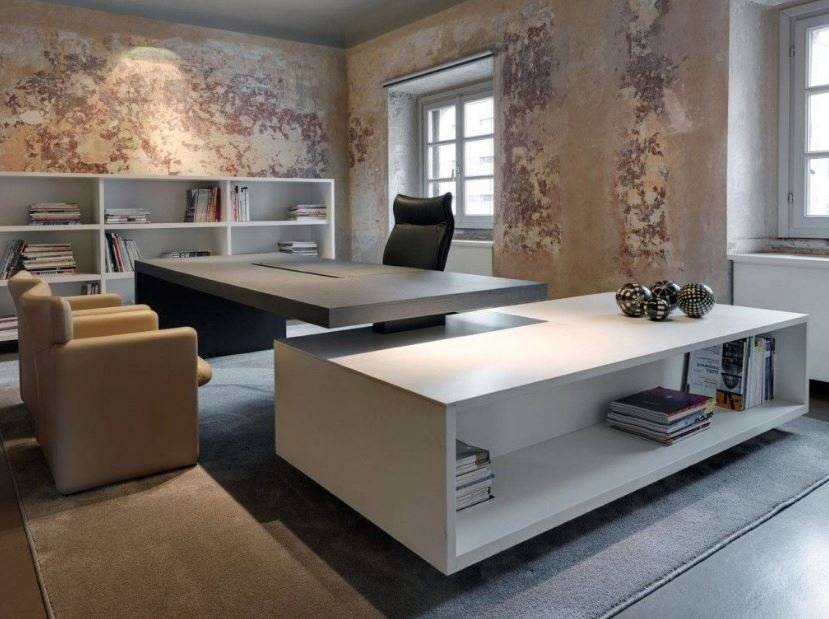
In today’s fast-changing business environment, the demand for well-designed and comfortable office environments is increasing rapidly. One of the most important elements that directly impacts employee performance, client impression, and overall workplace efficiency is quality office furniture. A well-planned office setup is not just about filling space with desks and chairs; it is about creating an environment that supports productivity, comfort, and long-term health of employees.
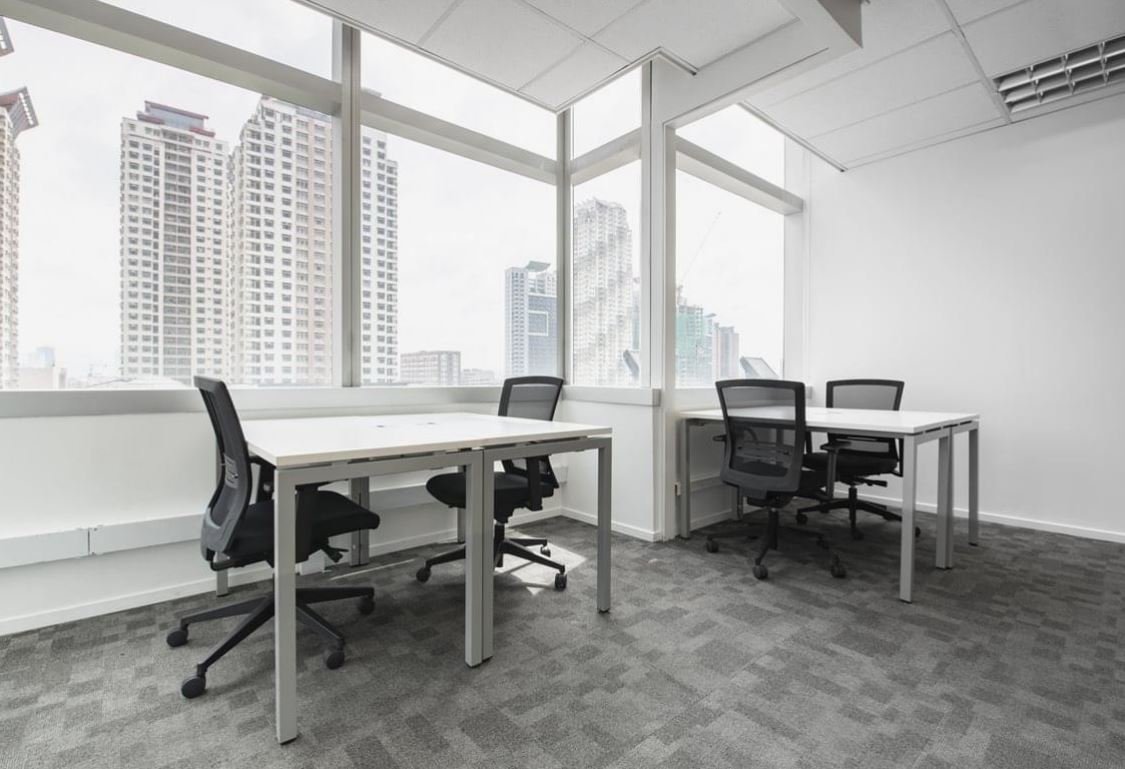
Modern workplaces are no longer limited to traditional layouts. Businesses now focus on flexible workstations, collaborative zones, and ergonomic seating arrangements that improve workflow. When organizations invest in durable and well-designed furniture, they automatically enhance the visual appeal of the workspace while also improving functionality. The right furniture helps reduce fatigue, supports proper posture, and encourages employees to stay focused for longer periods.
A workspace that lacks proper furniture planning often leads to discomfort, reduced efficiency, and higher employee turnover. On the other hand, offices that prioritize structured seating, adjustable chairs, and organized storage systems create a positive work culture. This is why businesses are now shifting toward thoughtfully designed office interiors that align with both employee needs and brand identity.
Benefits Of Choosing Quality Office Furniture For Productivity
Investing in well-designed office setups has a direct influence on productivity levels. Employees spend long hours at their desks, and their comfort significantly impacts their ability to perform tasks efficiently. Ergonomic chairs, spacious desks, and properly arranged workstations help reduce physical strain and improve focus throughout the day.
One of the major benefits of using quality furniture is improved posture support. Poor seating arrangements can lead to back pain, neck strain, and long-term health issues, which ultimately affect attendance and productivity. However, furniture designed with ergonomic principles ensures that employees maintain correct posture, reducing fatigue and increasing overall efficiency.
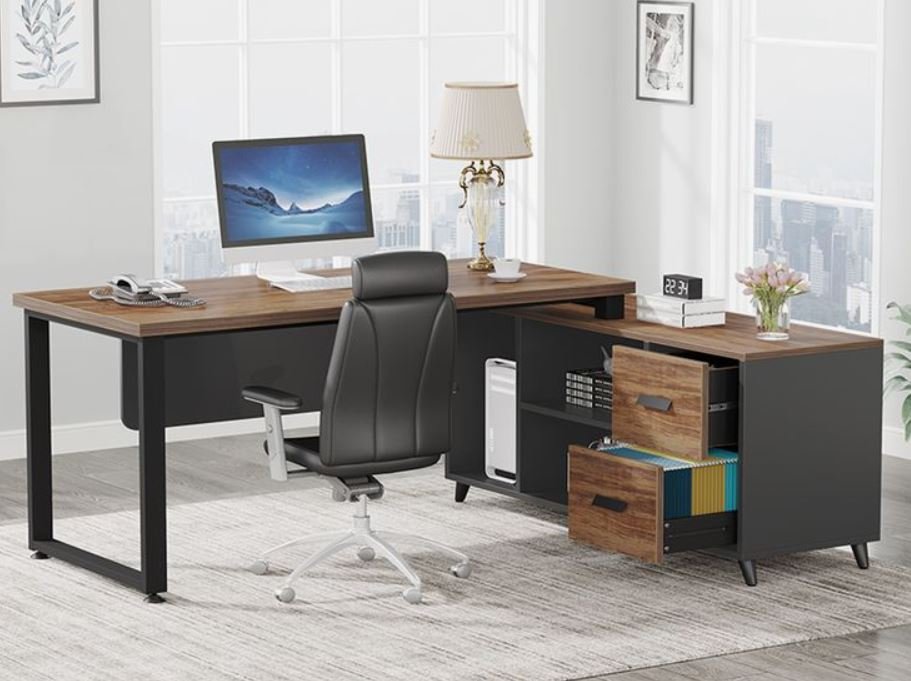
Another important advantage is better organization. Modern office furniture often includes built-in storage solutions that help keep documents, devices, and essentials neatly arranged. This reduces clutter and allows employees to focus more on their tasks rather than searching for misplaced items.
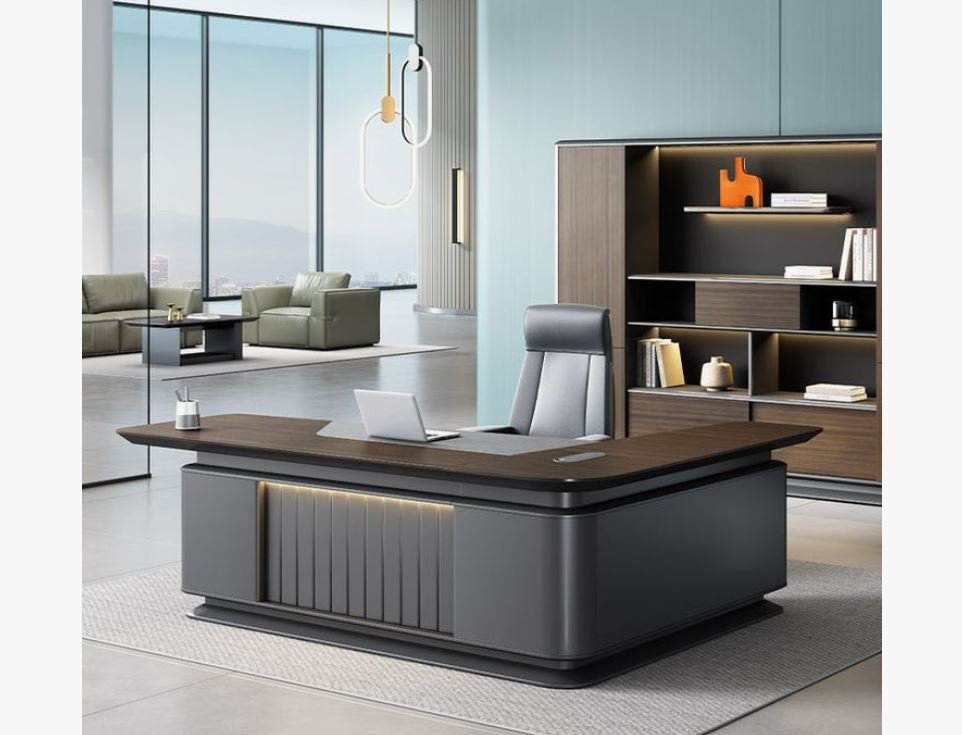
A well-furnished office also creates a strong psychological impact. Employees feel more valued and motivated when they work in a clean, organized, and visually appealing environment. This sense of comfort leads to higher engagement, better teamwork, and improved job satisfaction. Additionally, clients and visitors develop a positive impression when they enter a professionally designed workspace, which can indirectly influence business growth and trust.
How To Select Quality Office Furniture For Stores And Workspaces
Choosing the right office furniture requires careful planning and understanding of space requirements, business type, and employee needs. Every office has different demands, and selecting furniture should be based on both functionality and aesthetics.
For retail environments and Stores, furniture selection plays a crucial role in customer experience. A well-organized store layout with smart shelving, counters, and seating areas improves customer flow and enhances product visibility. It is important to choose durable materials that can handle high traffic while maintaining their appearance over time. Businesses should focus on practical layouts that maximize space usage without creating clutter.
When selecting furniture for offices and Stores not storess use first letter capital, businesses should prioritize comfort and durability. Chairs should be adjustable, desks should provide enough workspace, and storage units should be easy to access. It is also important to consider modular furniture options, as they offer flexibility and can be rearranged according to changing needs.
Color schemes and design consistency also matter. Furniture should match the overall interior theme of the workspace to create a professional and cohesive look. Neutral tones are often preferred in corporate settings, while creative industries may opt for more vibrant designs. Lighting compatibility and space optimization should also be considered during selection.
Budget is another key factor. While it may be tempting to choose cheaper options, investing in long-lasting furniture often proves more cost-effective in the long run. High-quality materials reduce replacement costs and ensure consistent performance over time.
Materials, Ergonomics, And Durability Considerations
The durability of quality office furniture largely depends on the materials used in its construction. Common materials include wood, metal, engineered wood, and high-quality plastics. Each material has its own advantages depending on usage requirements. For example, metal frames offer strength and longevity, while engineered wood provides a modern aesthetic at a more affordable price.
Ergonomics is another essential factor that should never be ignored. Ergonomic furniture is designed to support the natural posture of the human body, reducing strain during long working hours. Adjustable chairs with lumbar support, height-adjustable desks, and properly positioned monitor stands all contribute to a healthier work environment.
Durability is especially important for businesses that operate in high-traffic environments. Furniture should be able to withstand daily wear and tear without losing its functionality or appearance. Investing in scratch-resistant surfaces, reinforced frames, and high-quality upholstery ensures long-term usability.
Sustainability is also becoming a major consideration. Many companies now prefer eco-friendly materials that reduce environmental impact while maintaining high performance. This not only supports global sustainability efforts but also enhances brand reputation.
Maintenance And Long-Term Value Of Office Furniture
Proper maintenance is essential to extend the lifespan of office furniture and maintain its appearance. Regular cleaning, timely repairs, and proper usage play a major role in preserving furniture quality. Dust and dirt accumulation should be avoided, especially on work surfaces and upholstery, as it can lead to long-term damage.
Routine inspections help identify early signs of wear and tear, allowing businesses to address issues before they become major problems. Simple maintenance practices such as tightening screws, polishing surfaces, and cleaning stains can significantly improve durability.
Long-term value is another important aspect when evaluating office furniture investments. High-quality furniture not only lasts longer but also retains its aesthetic appeal over time. This reduces the need for frequent replacements and helps businesses save costs in the long run.
Additionally, well-maintained furniture contributes to a professional office environment, which enhances employee morale and client perception. A clean and organized workspace reflects discipline, efficiency, and attention to detail.
Conclusion Quality Office Furniture Solutions For Modern Businesses
In conclusion, selecting the right office setup plays a crucial role in shaping workplace efficiency, employee satisfaction, and overall business success. Investing in durable, ergonomic, and visually appealing furniture ensures long-term benefits for both employees and organizations. From improving posture to enhancing productivity and creating a positive work environment, the impact is significant and long-lasting.
Businesses that prioritize thoughtful workspace design are more likely to achieve better operational performance and stronger brand identity. For companies looking to upgrade their office environment, Office furniture express provides reliable solutions that align with modern workplace needs and deliver lasting value.