Skip to main content
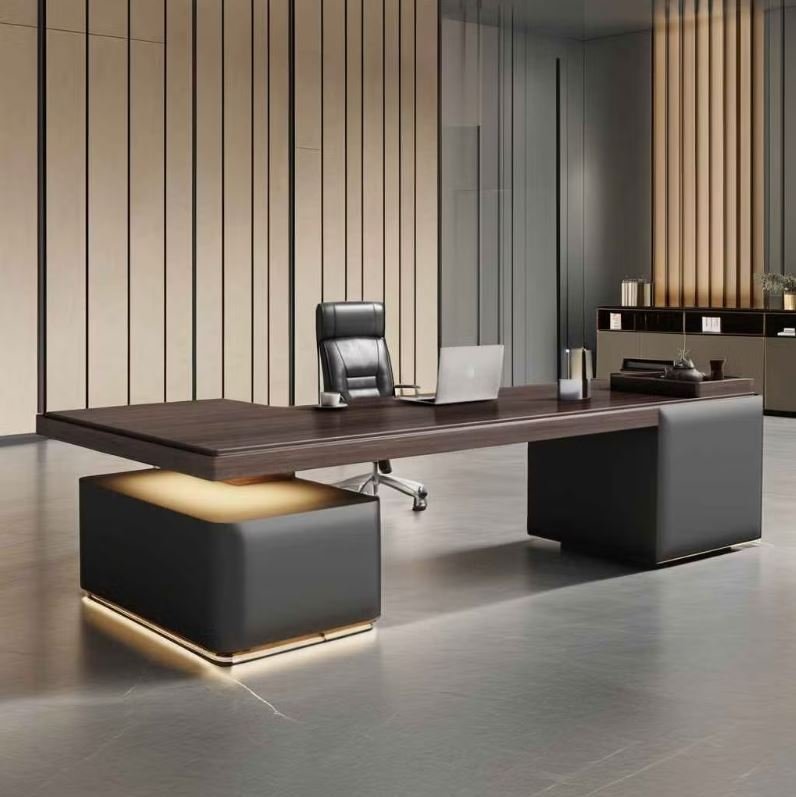
In today’s evolving workplace design landscape, furniture trends ideas are shaping how offices, homes, and commercial environments look and function. Modern users now prefer flexible, ergonomic, and space-saving solutions that improve productivity while maintaining visual appeal. The demand for adaptable layouts has increased significantly, especially in urban areas where space optimization is essential. Businesses are also focusing on creating environments that support collaboration and employee well-being, which has made design choices more strategic than ever before. As a result, furniture is no longer just functional; it has become a key part of branding and workplace culture.
Evolving Office Design And Space Optimization
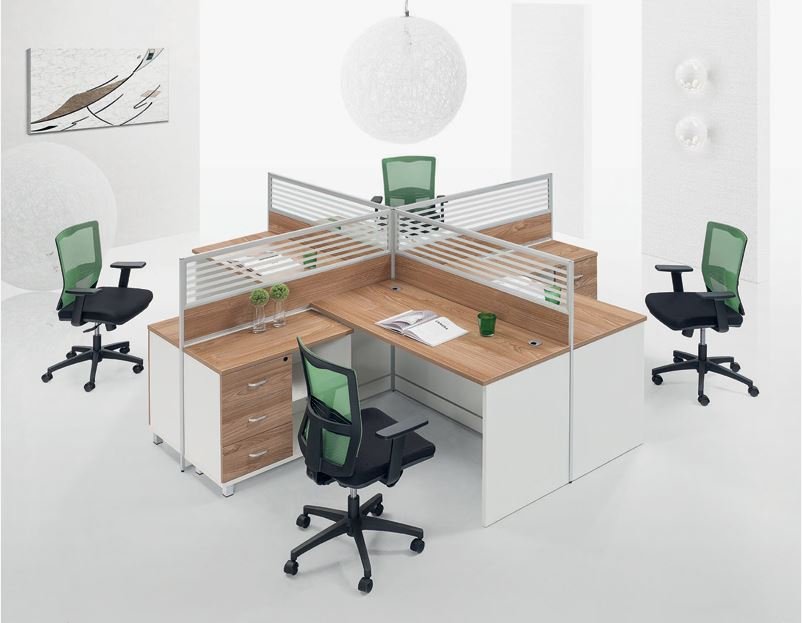
One of the most important shifts in modern interiors is the focus on space optimization and multi-functional use. Companies are now prioritizing layouts that support movement, collaboration, and privacy within the same environment. Modular desks, foldable tables, and mobile storage units are increasingly popular because they allow quick rearrangement based on needs. Many organizations are also shifting toward open-plan layouts combined with flexible partitions to balance teamwork and focused work. The concept of smart utilization of space ensures that even small offices feel spacious and organized. In retail and corporate environments, the use of clean lines and minimal structures is becoming a standard approach to enhance productivity and reduce visual clutter.
Rise Of Ergonomic And Health-Focused Furniture
Health and comfort have become top priorities in workplace design, and this is strongly reflected in current furniture preferences. Ergonomic chairs, adjustable desks, and posture-support systems are now essential elements in both corporate and home offices. People are more aware of long-term health impacts caused by poor seating and improper workstation setups. As a result, furniture manufacturers are focusing on designs that support spinal alignment, reduce fatigue, and improve overall comfort. Sit-stand desks are also gaining popularity as they allow users to switch positions throughout the day, improving circulation and reducing stress. This shift highlights how functionality and wellness are now deeply connected in modern interior planning.
Minimalist Aesthetics And Modern Interior Styling
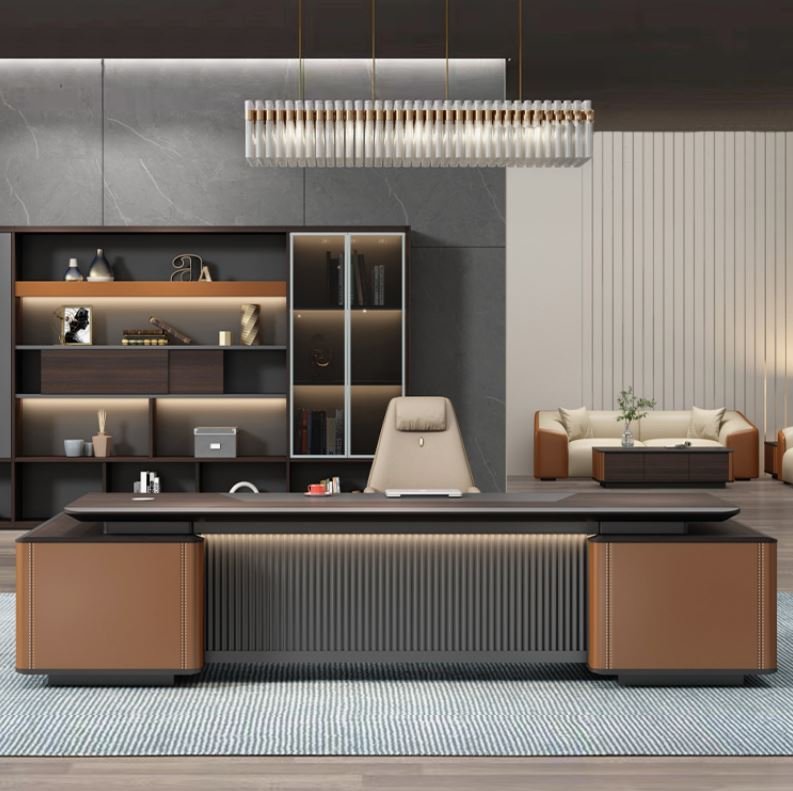
Minimalism continues to dominate modern interior trends, especially in office and commercial design. Clean surfaces, neutral colors, and simple structures are widely used to create calm and distraction-free environments. This approach helps improve focus and reduces unnecessary visual noise, which is essential in high-performance workplaces. Furniture pieces are now designed with sleek profiles and hidden storage solutions to maintain a clean look. Glass, metal, and light wood materials are commonly used to enhance brightness and openness. The minimalist approach also supports sustainability by encouraging the use of fewer but higher-quality pieces that last longer and maintain their appearance over time.
Smart Furniture And Technology Integration
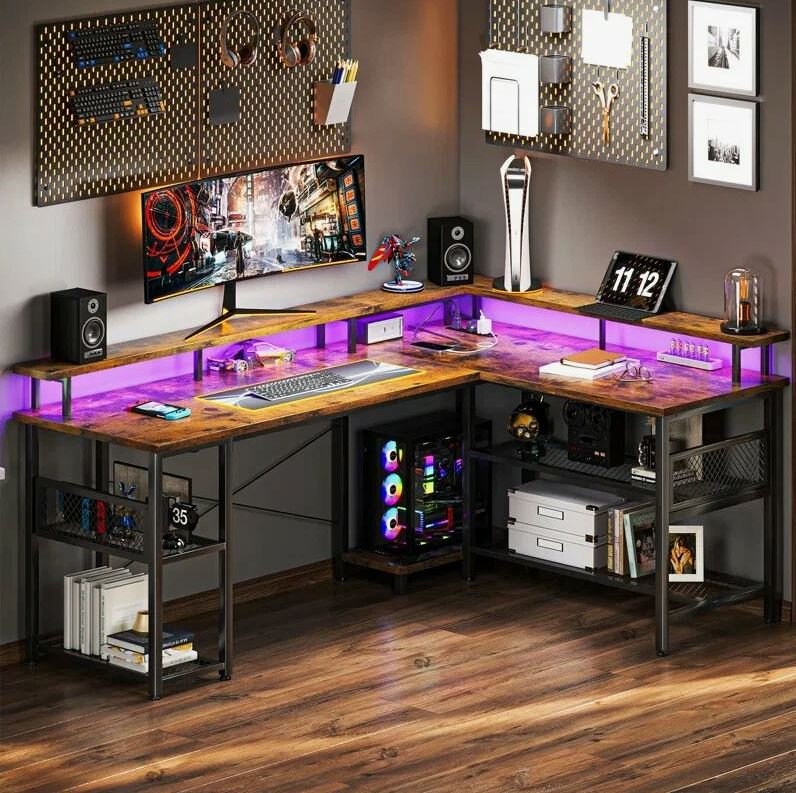
Technology integration is another major factor influencing modern workspace design. Smart desks with built-in charging ports, cable management systems, and wireless connectivity features are becoming standard in many offices. These innovations help reduce clutter and improve workflow efficiency. In addition, adjustable lighting systems and smart seating solutions are being introduced to enhance user comfort and productivity. Offices are increasingly adopting tech-enabled meeting tables and collaborative furniture that support hybrid work environments. This integration of technology and design reflects the growing need for adaptable spaces that support both digital and physical work processes seamlessly.
Sustainable Materials And Eco-Friendly Choices
Sustainability has become a key focus in furniture trends ideas and manufacturing. Businesses and homeowners are now more conscious of environmental impact, leading to increased demand for eco-friendly materials such as recycled wood, bamboo, and metal. Manufacturers are also adopting low-emission production processes to reduce environmental harm. Furniture durability is another important factor, as long-lasting products reduce waste and replacement costs. Many modern designs emphasize repairability and recyclability, ensuring that products can be reused or repurposed instead of discarded. This sustainable approach aligns with global efforts to reduce carbon footprints and promote responsible consumption.
Future Outlook Of Furniture Design And Workplace Innovation
Looking ahead, furniture design will continue to evolve with a strong focus on flexibility, technology, and user experience. Hybrid work models are influencing how spaces are structured, leading to more dynamic and adaptable furniture solutions. Future designs are expected to combine aesthetics with intelligence, offering features that adjust automatically based on user behavior. The integration of AI-driven systems and smart environments will further enhance personalization in workspace design. Overall, the future of interior planning will revolve around creating efficient, healthy, and inspiring environments that support productivity and creativity in every setting.
In conclusion, the growing influence of furniture trends ideas reflects a major shift toward smarter, healthier, and more sustainable living and working spaces. From ergonomic designs to smart integration and eco-friendly materials, every aspect of modern furniture is evolving to meet user needs. Brands like Office furniture express continue to play a role in shaping these advancements by delivering practical and innovative solutions for modern interiors.