Skip to main content
The global interior and workspace industry is rapidly evolving, and furniture trends 2026 are shaping how people design homes, offices, and commercial environments with a stronger focus on functionality, sustainability, and adaptability. In 2026, furniture is no longer just about aesthetics; it is about creating intelligent spaces that support productivity, comfort, and lifestyle balance. Consumers are increasingly looking for designs that combine durability with modern appeal, while also aligning with eco-conscious values. The rise of remote work, hybrid offices, and compact urban living has further influenced how furniture is designed and selected. As a result, the market is witnessing a strong shift toward modular layouts, smart features, and space-saving solutions that can easily adapt to different needs without compromising style or comfort.
Sustainable Materials And Smart Design In Furniture Trends 2026
One of the most dominant directions in furniture trends 2026 is the strong emphasis on sustainability and smart design innovation. Manufacturers are prioritizing eco-friendly materials such as recycled wood, bamboo, reclaimed metal, and biodegradable composites to reduce environmental impact. This shift is not only driven by regulations but also by increasing consumer awareness about climate responsibility. Alongside sustainability, smart design is becoming essential, where furniture is built for multi-functionality and long-term usability. For example, tables with expandable surfaces, storage-integrated seating, and foldable structures are becoming more common in both homes and workplaces. These innovations ensure that users get maximum utility from minimal space while maintaining a clean and modern aesthetic that aligns with future living standards.
Office Furniture Stores And Workspace Evolution Furniture Trends 2026
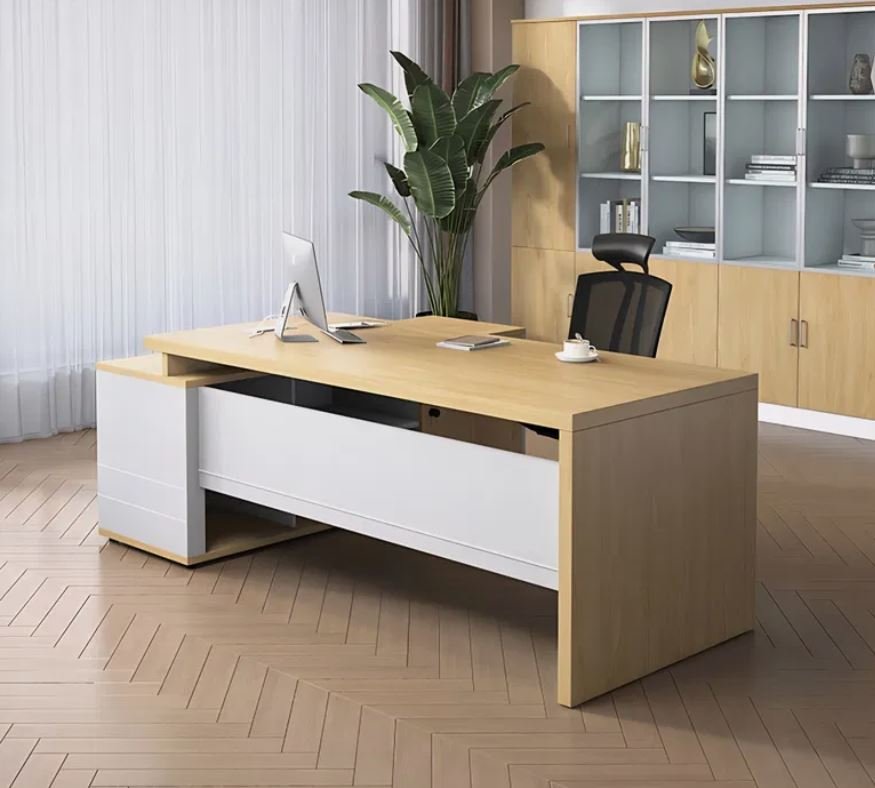
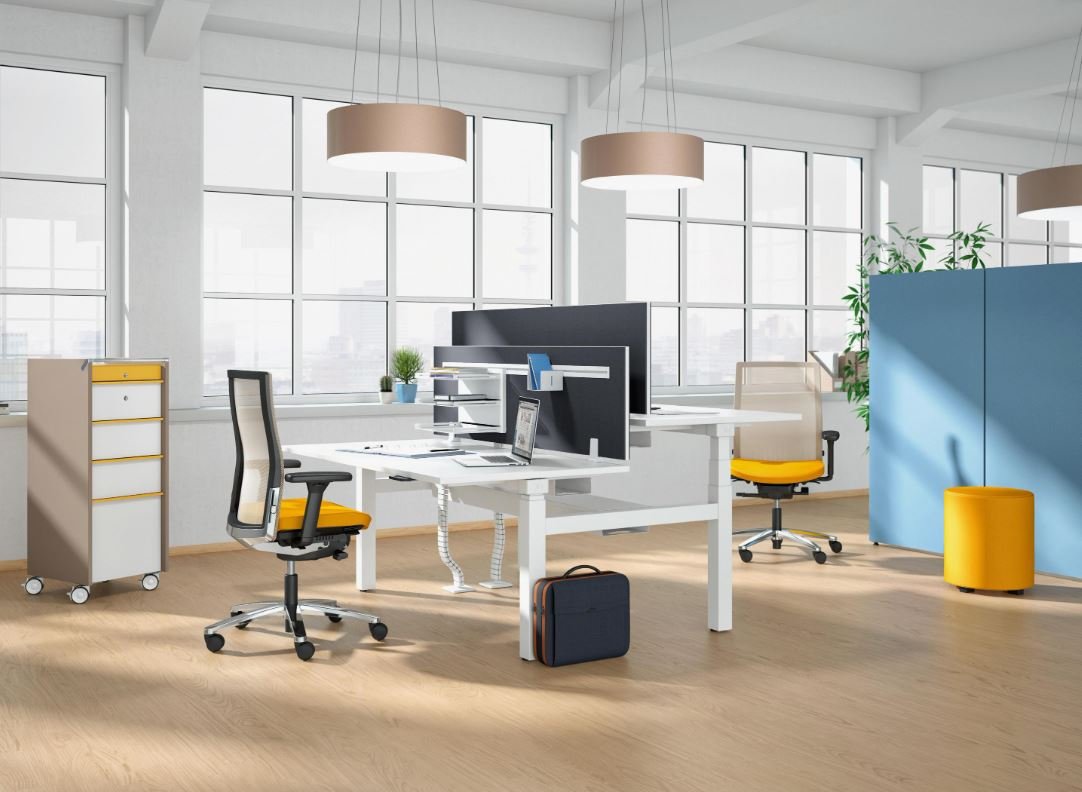
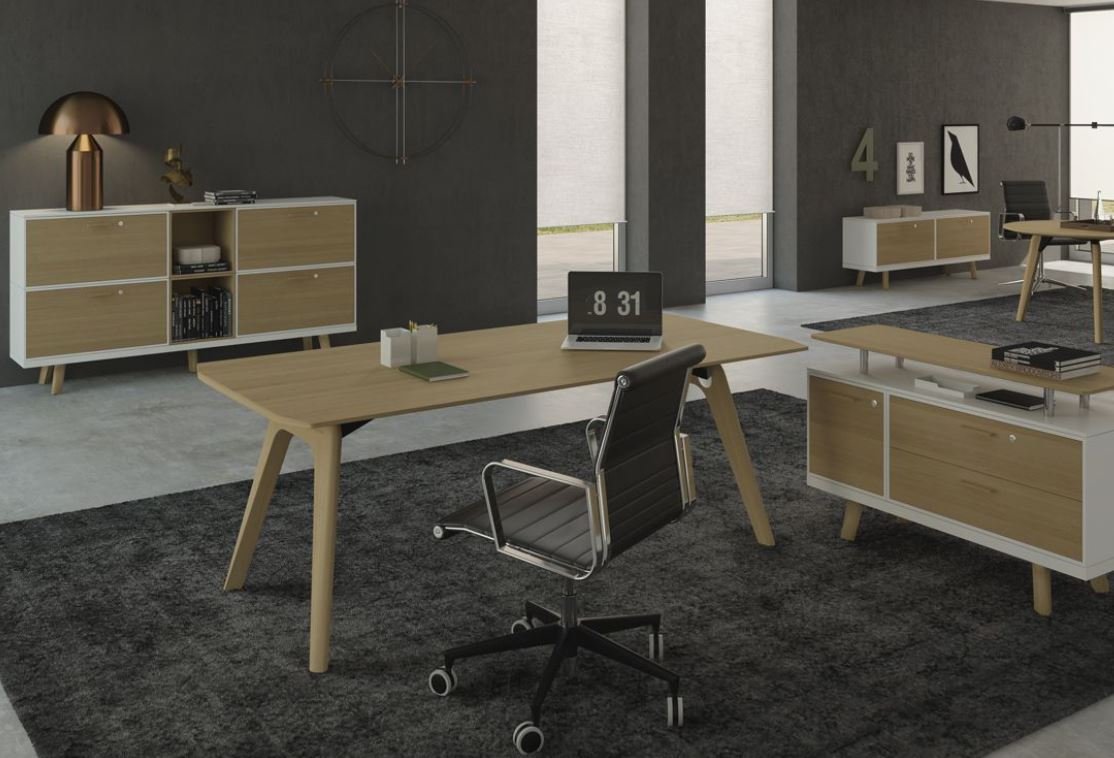
The role of office furniture stores is also transforming significantly as businesses adopt new workplace strategies influenced by furniture trends 2026. Modern offices are no longer traditional cubicle-based environments; instead, they are flexible ecosystems designed to support collaboration, focus, and employee well-being. Office furniture is now being designed with ergonomic precision, ensuring better posture, reduced fatigue, and increased productivity. Adjustable desks, acoustic chairs, and modular workstations are becoming standard requirements in corporate environments. Additionally, many office furniture stores are offering customized solutions that allow businesses to design layouts based on team structure and workflow patterns. This evolution reflects a broader shift toward human-centered office design, where comfort and efficiency go hand in hand.
Minimalist And Modular Living Impact Of Furniture Trends 2026
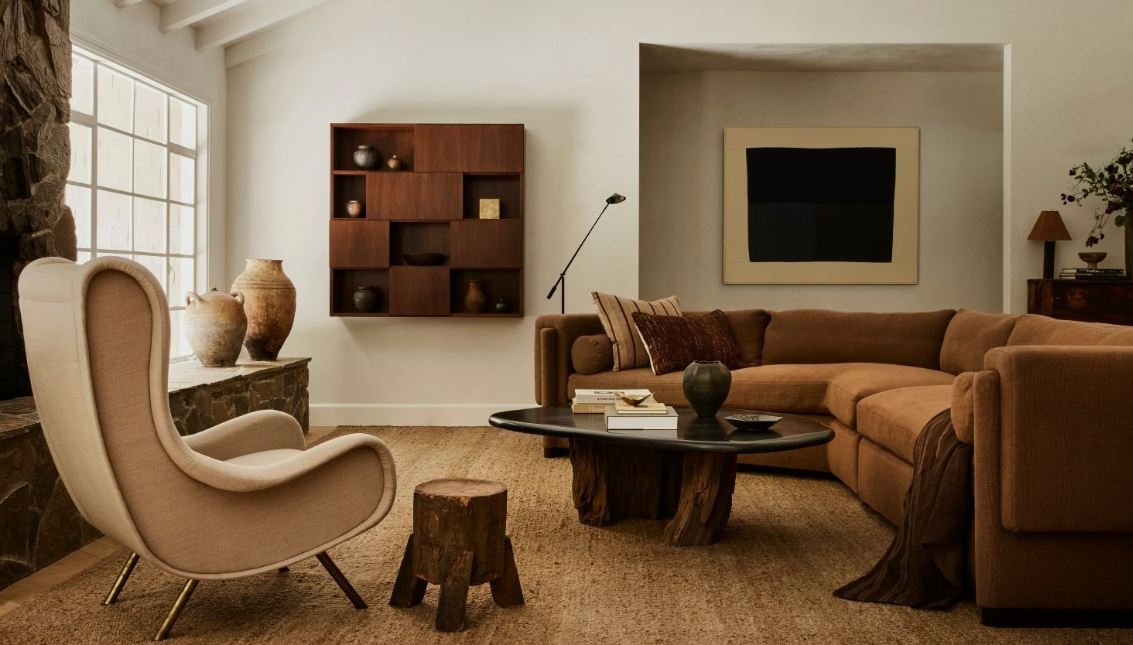
Minimalism continues to be a powerful influence in furniture trends 2026, especially in urban households where space optimization is critical. People are increasingly choosing clean, simple designs that eliminate unnecessary clutter while maintaining elegance and practicality. Modular furniture plays a major role in this trend, allowing users to reconfigure their spaces based on daily needs. Sofas that convert into beds, shelving units that can be rearranged, and nesting tables are becoming essential elements in modern interiors. This approach not only enhances visual appeal but also maximizes usability in smaller apartments and compact homes. The demand for adaptable furniture solutions is expected to grow further as urban living spaces continue to shrink, making flexibility a key requirement in modern interior design.
Technology Integration In Furniture Trends 2026 Workspaces
Technology integration is another defining feature of furniture trends 2026, particularly in office and smart home environments. Furniture is increasingly being designed with built-in technology such as wireless charging stations, adjustable electric desks, USB ports, and smart lighting systems. These features enhance convenience and support the growing demand for connected workspaces. In corporate environments, smart desks can track posture, remind users to take breaks, and even adjust height automatically based on user preferences. Similarly, home furniture is evolving with integrated smart systems that allow users to control lighting, temperature, and even entertainment setups directly from their seating or workspace. This fusion of technology and furniture design is creating more efficient and interactive living and working environments.
Residential Comfort And Ergonomic Furniture Trends 2026
Comfort and ergonomics are becoming central pillars of furniture trends 2026, especially in residential design. People are investing more in furniture that supports physical health and long-term comfort, particularly as remote work continues to be a significant part of daily life. Ergonomic chairs, posture-supportive sofas, and adjustable furniture pieces are gaining popularity in homes. Designers are also focusing on soft textures, breathable materials, and body-friendly shapes that enhance relaxation while maintaining modern aesthetics. Living spaces are being designed to serve multiple purposes, from working and studying to relaxing and entertaining. This shift highlights the growing importance of furniture that not only looks good but also actively contributes to well-being and lifestyle quality.
Future Buying Guide And Market Insights Furniture Trends 2026
The future of furniture purchasing is becoming more personalized and experience-driven, strongly influenced by furniture trends 2026. Consumers are no longer just buying products; they are seeking complete solutions that match their lifestyle needs and space requirements. Online platforms and physical showrooms are increasingly offering virtual visualization tools that allow customers to preview furniture in their own spaces before making a decision. Transparency in pricing, material sourcing, and product durability is also becoming a key factor in purchase decisions. At the same time, global demand is shifting toward long-lasting and versatile furniture rather than fast, disposable designs. This change reflects a more conscious and informed consumer base that values quality, sustainability, and adaptability in equal measure.
Conclusion Furniture Trends 2026 And Market Direction
In conclusion, furniture trends 2026 represent a powerful transformation in how furniture is designed, used, and experienced across both residential and commercial spaces. The focus on sustainability, technology integration, ergonomic comfort, and modular flexibility is redefining industry standards and shaping future expectations. As lifestyles continue to evolve, furniture will play an even more important role in supporting productivity, well-being, and efficient space utilization. Brands that adapt to these changes and embrace innovation will lead the market in the coming years. One such example is Office furniture express, which reflects how modern furniture providers are aligning with these evolving trends to meet the growing demands of contemporary living and working environments.