Skip to main content
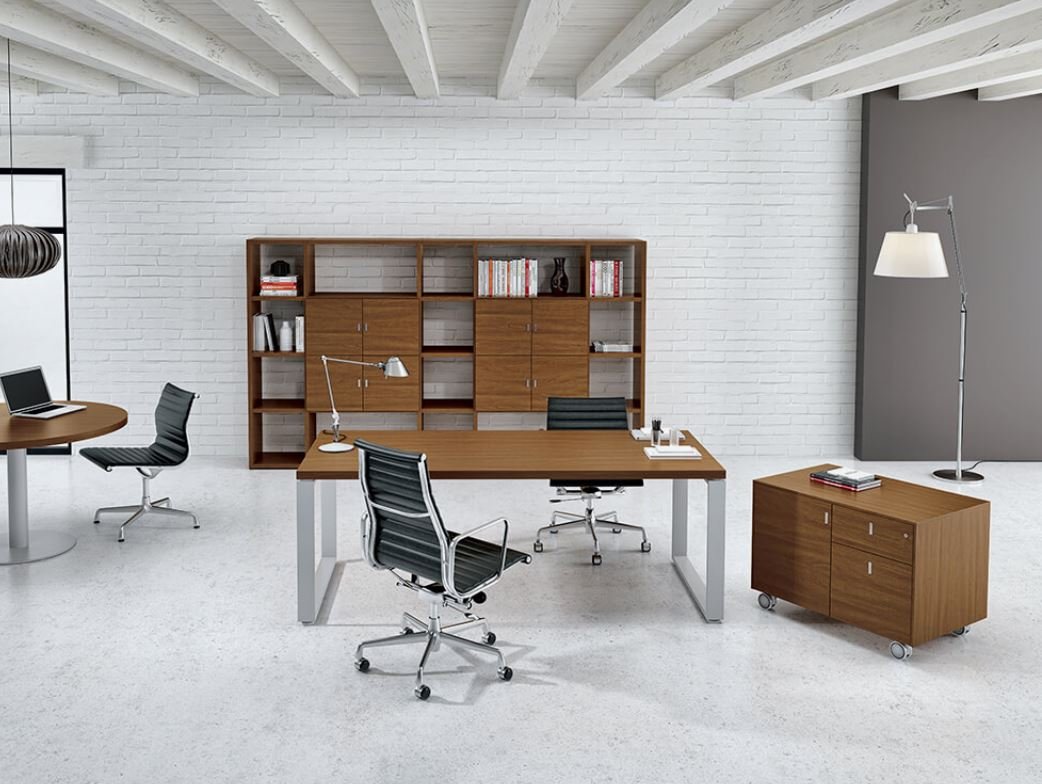
A well-planned office creates a comfortable environment where employees can focus, collaborate, and complete their daily tasks efficiently. From choosing suitable desks and ergonomic chairs to organizing meeting rooms and reception areas, every furniture decision influences the workplace experience. Businesses in Manila and Quezon City need furniture solutions that match their available space, operational requirements, company culture, and budget. A carefully managed Furniture Project for Office helps business owners create a professional environment while making the best use of their investment.
What Is a Furniture Project for Office?
A furniture project for an office involves planning, selecting, arranging, and installing furniture according to the needs of a particular workplace. It may cover a small startup office, a corporate headquarters, a shared workspace, a school administration building, or a healthcare facility. The objective is to create a practical layout that supports employee productivity, maintains comfort, and reflects the organization’s professional identity.
Unlike purchasing individual furniture pieces without a plan, a complete project considers how different items work together. Desk dimensions, chair ergonomics, storage capacity, movement between workstations, and the placement of shared facilities all influence the final result. Businesses can also consider future expansion, technology requirements, and maintenance needs before finalizing their furniture choices.
Office Furniture Express can be considered when exploring furniture options for a workplace project. A structured approach helps businesses identify suitable products, establish priorities, and make informed decisions before committing to a purchase.
Why Office Furniture Planning Matters for Businesses
Office furniture affects more than the appearance of a workplace. Employees spend considerable time sitting, working at desks, attending meetings, and accessing documents. Poorly selected furniture may contribute to discomfort, clutter, and inefficient use of available space. In contrast, thoughtfully selected furniture can support better organization and a more comfortable working environment.
Planning also helps businesses control costs. Without a clear furniture list and layout, organizations may purchase unnecessary items, overlook important requirements, or discover that certain products do not fit their rooms. Establishing requirements early makes it easier to compare prices, evaluate materials, and coordinate delivery and installation.
For companies operating in Manila and Quezon City, space efficiency can be particularly important when designing offices in commercial buildings. A practical furniture arrangement can help accommodate employees, meeting areas, storage, and reception facilities without making the workplace feel overcrowded.
Types of Furniture Required for an Office Project
Every workplace has different requirements, so furniture selection should begin with an assessment of daily operations. The following categories can help businesses prepare a more complete furniture plan.
Office Desks and Workstations
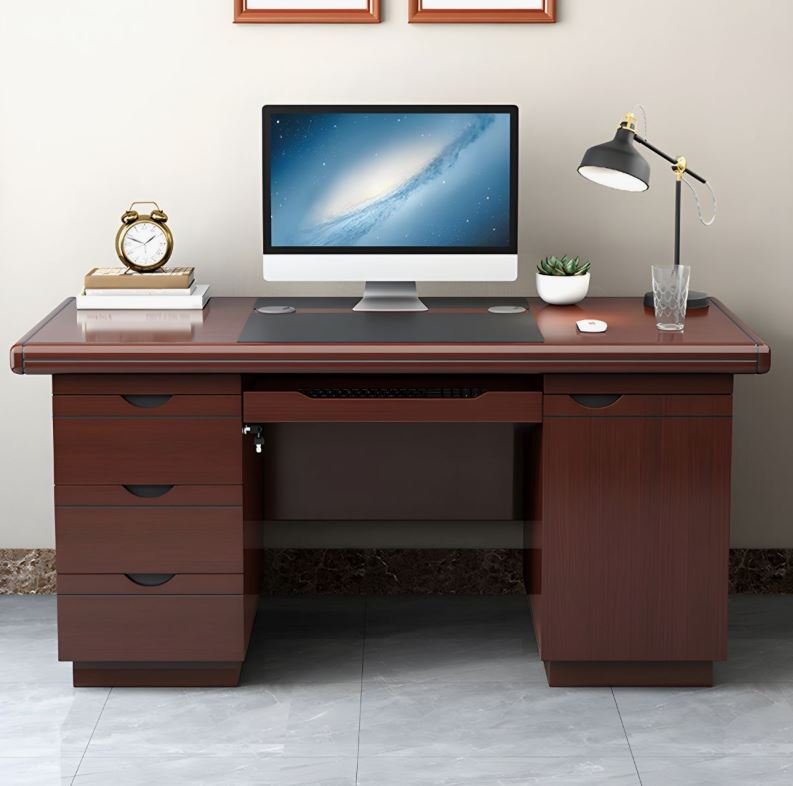
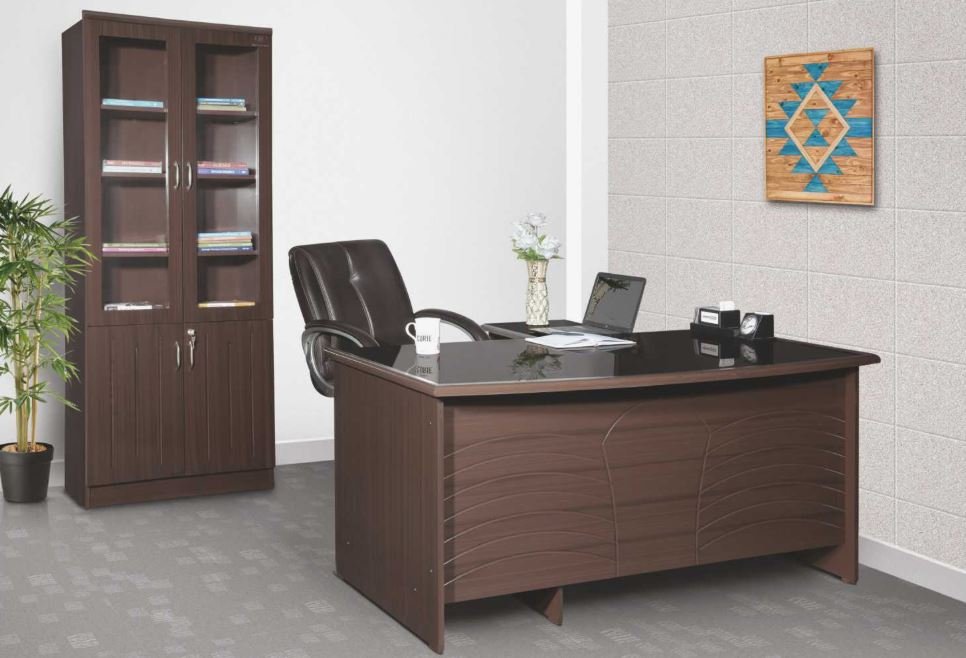
Desks and workstations form the foundation of most office layouts. Individual desks may suit managers or employees who need dedicated working areas, while modular workstations can accommodate teams that share a common workspace. The right option depends on available floor space, employee responsibilities, equipment requirements, and the desired level of privacy.
Businesses should evaluate desk height, working surface area, cable management, and storage options before making a decision. Workstations should provide enough room for computers, documents, and other essential equipment without restricting movement.
Ergonomic Office Chairs
Furniture Project for Office should provide appropriate support for employees who spend extended periods working at desks. Adjustable seat height, lumbar support, suitable backrests, and comfortable seating materials are important features to assess.
Different roles may require different seating options. Employees working at computer stations may benefit from adjustable task chairs, while visitors may need simple guest seating. Selecting chairs according to their intended use helps businesses balance comfort, durability, and cost.
Conference and Meeting Tables
Meeting rooms support team discussions, client presentations, interviews, and planning sessions. The size and shape of a conference table should reflect the number of people who regularly use the room.
Rectangular tables can work well in traditional boardrooms, while modular tables may provide greater flexibility for training sessions and collaborative activities. Businesses should also consider chair clearance, presentation equipment, power access, and walking space around the table.
Storage Cabinets and Pedestals
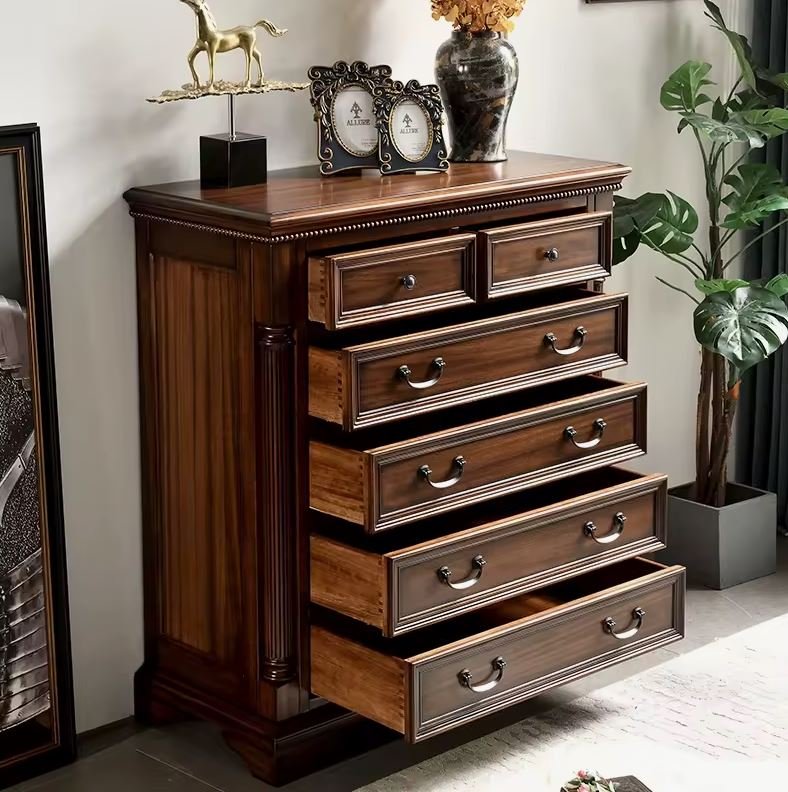
Storage furniture helps keep documents, office supplies, and personal belongings organized. Filing cabinets, mobile pedestals, shelving units, and lockable cupboards can reduce clutter and improve access to frequently used materials.
Before selecting storage products, businesses should assess what they need to store and how often employees require access. Offices that rely heavily on physical records may need more filing capacity, while digital-first workplaces may prioritize compact cabinets and general-purpose storage.
Reception and Visitor Furniture
The reception area often creates a visitor’s first impression of a company. A suitable reception desk, comfortable waiting chairs, and organized storage can create a welcoming and professional environment.
Furniture dimensions should match the available space and allow visitors and staff to move comfortably. The overall design should also complement the company’s interior style without sacrificing practicality.
How to Plan a Successful Office Furniture Project
A systematic process helps businesses manage their furniture requirements and avoid unnecessary expenses. Each stage should be completed carefully before moving to the next.
Assess Your Office Space and Requirements
Begin by measuring the workplace and identifying the activities that take place in each area. Record the number of employees, workstations, meeting rooms, storage needs, and visitor facilities. Note the locations of doors, windows, electrical outlets, columns, and other fixed features that may affect furniture placement.
A floor plan can help decision-makers understand how different furniture configurations will fit within the available space. It can also identify potential problems with circulation, accessibility, and access to shared equipment.
Establish a Realistic Furniture Budget
Set a budget before comparing furniture options. Include desks, chairs, meeting tables, storage units, reception furniture, delivery, assembly, and installation where applicable. It is also sensible to allow some flexibility for unexpected requirements.
Rather than selecting products based only on their initial prices, compare their construction, expected durability, maintenance requirements, and suitability for daily use. A lower-priced item may not offer the best long-term value if it requires frequent replacement.
Choose Furniture That Matches Daily Operations
Different businesses have different furniture priorities. A technology startup may require flexible workstations and collaborative meeting areas, while a law office may need private workspaces and substantial document storage. Schools and hospitals may have additional requirements relating to durability, cleaning, accessibility, and specialized activities.
Make a furniture schedule that identifies each product, its quantity, dimensions, intended location, and key specifications. This document helps procurement teams compare suppliers consistently and reduces the risk of missing essential items.
Prioritize Ergonomics and Workplace Comfort
Comfort should remain a central consideration throughout the project. Employees need suitable seating, enough desk space, appropriate monitor positioning, and adequate room to move. Furniture should accommodate the intended users and support different working activities.
Businesses should also evaluate lighting, noise, ventilation, and the overall workstation arrangement. Furniture alone cannot guarantee productivity, but a well-designed environment can remove common obstacles to comfortable work.
Coordinate Delivery and Installation
Delivery and installation require careful scheduling, particularly when the office is occupied or preparing to open. Confirm product specifications, quantities, delivery arrangements, access restrictions, and installation responsibilities before finalizing the schedule.
For larger projects, consider whether furniture should be installed in stages to reduce disruption. Once installation is complete, inspect each item for damage, stability, correct assembly, and compliance with the agreed specifications.
How to Select the Right Office Furniture for Your Budget
The most suitable furniture project balances quality, functionality, appearance, and affordability. Businesses should compare products based on their actual requirements rather than choosing the most expensive or cheapest option automatically. Requesting itemized quotations can make comparisons easier. Check whether the quoted price includes delivery, assembly, installation, warranties, and applicable service charges. Confirm product availability and lead times before making commitments, especially when furnishing an entire office at once.
Businesses should also distinguish between essential purchases and optional upgrades. Investing first in functional workstations, suitable seating, and necessary storage can help maintain budget control while leaving room for future improvements.
Common Mistakes to Avoid in Office Furniture Projects
One frequent mistake is purchasing furniture before measuring the office. Even attractive products can become impractical when they block walkways, restrict access, or leave insufficient room for employees. Accurate measurements and a clear layout should guide purchasing decisions.
Another mistake is focusing exclusively on appearance. A modern design may look impressive, but unsuitable chair dimensions, inadequate desk space, and insufficient storage can reduce everyday usability. Businesses should evaluate comfort and function alongside visual appeal.
Ignoring future growth can also create difficulties. Companies expecting to hire additional employees should consider whether modular workstations, adaptable layouts, or additional storage capacity could support expansion. Planning for flexibility may reduce the need for major furniture changes later.
Finally, businesses should not overlook delivery and installation requirements. Large furniture items may require specific access arrangements, assembly, or coordination with building management. Confirming these details in advance can prevent delays and additional costs.
Office Furniture Projects in Manila and Quezon City
Businesses in Manila and Quezon City may have different requirements depending on their office size, building configuration, industry, and workforce. Corporate offices may prioritize executive furniture, meeting rooms, and organized employee workstations. Startups may prefer flexible furniture that supports changing team sizes, while educational institutions may require practical desks, chairs, and administrative storage.
Local planning should account for delivery access, building policies, elevator dimensions, loading areas, and installation schedules. These considerations are especially important for offices located in multi-storey commercial buildings or managed business facilities.
When comparing furniture suppliers, businesses should ask about product availability, customization options, delivery coverage, installation services, and after-sales support. They should also request clear specifications and written quotations to ensure that proposed furniture meets the project’s needs.
Office Furniture Express can be included in the consideration process for organizations looking for office furniture solutions. Before selecting a supplier, evaluate the available products and services against your project requirements rather than relying on general promises.
Sustainable and Durable Furniture Choices
Durability is an important factor in managing office furniture costs over time. Products made with suitable materials, reliable fittings, and sturdy construction may withstand regular use better than items selected primarily for their appearance.
Businesses can assess surface finishes, frame construction, drawer mechanisms, upholstery, and ease of maintenance. For high-use environments, select materials that are practical to clean and appropriate for the conditions in which they will be used.
Sustainability can also influence purchasing decisions. Organizations may consider responsibly sourced materials, durable designs, repairable components, and furniture that can be reused when office layouts change. Choosing adaptable products may reduce waste and help businesses make better use of existing resources.
Measuring the Success of Your Office Furniture Project
A furniture project should be evaluated after installation, not simply when the last item arrives. Walk through the completed office and confirm that furniture matches the approved layout and specifications. Check whether employees can move comfortably, access equipment, store supplies, and use shared facilities without unnecessary obstacles.
Collect feedback from employees and department managers after they begin using the space. Their observations may reveal practical improvements, such as repositioning a cabinet, adjusting workstation arrangements, or adding storage in a frequently used area.
Businesses can also review the final expenditure against the original budget, assess delivery and installation performance, and document any product issues. These records help improve future purchasing decisions and provide a clearer basis for evaluating suppliers.
Frequently Asked Questions
How do I start a furniture project for an office?
Start by measuring the office, identifying employee and departmental requirements, setting a budget, and preparing a furniture schedule. Use these details to compare suitable products and obtain itemized quotations.
What furniture is essential for a new office?
Most offices need desks or workstations, appropriate chairs, storage, and meeting or visitor furniture where required. The exact list depends on the number of employees, available space, and daily operations.
How much does an office furniture project cost in the Philippines?
The total cost depends on furniture quantities, materials, specifications, customization, delivery, and installation. Requesting itemized quotations based on a detailed furniture list is the most reliable way to estimate the budget.
How can businesses maximize limited office space?
Measure the floor area carefully and consider compact desks, modular workstations, vertical storage, and multifunctional furniture. Maintain sufficient room for walkways, accessibility, and everyday activities.
What should I check before choosing an office furniture supplier?
Review product specifications, construction quality, availability, pricing, delivery schedules, installation services, warranty terms, and after-sales support. Ask for a written quotation that clearly describes what is included.
Is customized furniture suitable for office projects?
Customized furniture can be useful when standard sizes do not fit the available space or when a business has specific operational requirements. Compare customization costs and production timelines with ready-made alternatives before deciding.
Plan Your Next Office Furniture Project with Confidence
A successful office furniture project begins with a clear understanding of workplace needs and ends with a functional environment that supports employees and business operations. Careful space planning, suitable furniture selection, realistic budgeting, and coordinated installation can help organizations avoid common mistakes and make informed investments.
Whether you are furnishing a startup, renovating a corporate office, expanding a team, or setting up an administrative facility in Manila or Quezon City, prioritize comfort, durability, efficient space utilization, and long-term value. A well-prepared furniture plan also makes it easier to compare suppliers and identify the right solutions for your organization.
Office Furniture Express can be considered as part of your furniture planning process. Prepare your office dimensions, estimated furniture quantities, preferred styles, and budget before requesting a quotation. With clearly defined requirements, you can explore suitable options and move toward a workplace that meets your operational needs and professional goals.