Skip to main content
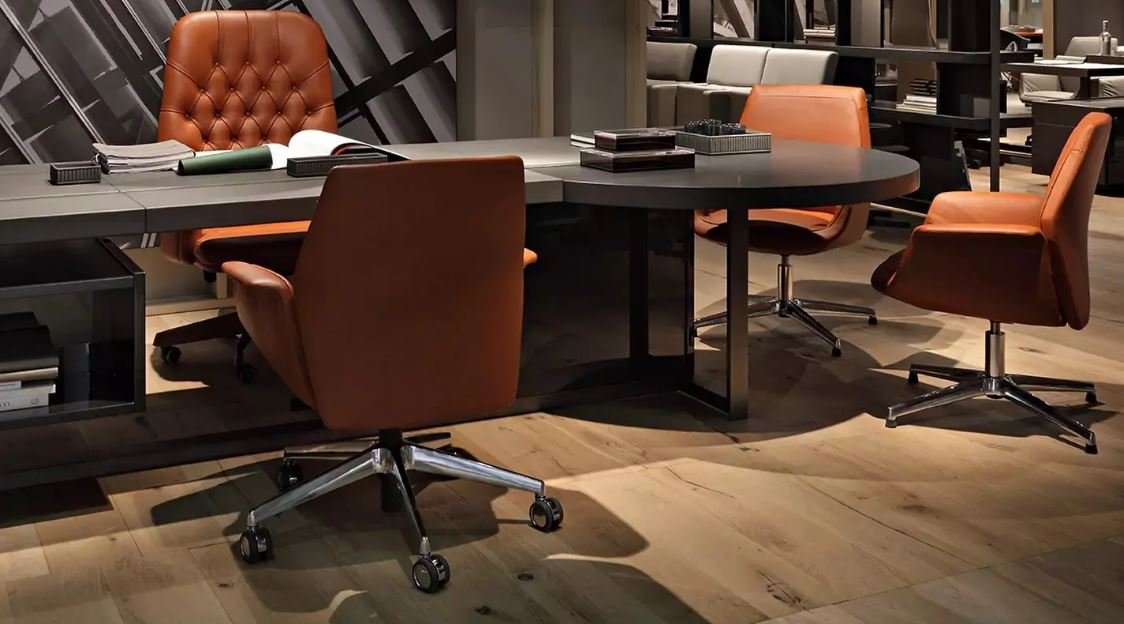
For businesses planning a professional workspace, Office Furniture Corporate solutions can help create an environment that supports productivity, organization, comfort, and a consistent company image. Corporate offices in Manila and Quezon City often need furniture that can accommodate different teams, meeting areas, executive spaces, reception zones, and shared workstations. Choosing the right desks, office chairs, conference tables, storage units, and workstations requires more than focusing on appearance. Businesses should also consider durability, available space, employee needs, workplace layout, and long-term value.
What Is Office Furniture Corporate?
Office Furniture Corporate refers to furniture solutions designed for professional and organizational work environments. These solutions commonly include executive desks, employee workstations, office chairs, conference tables, reception furniture, filing cabinets, storage systems, and collaborative furniture.
Corporate furniture is usually selected as part of a complete workplace plan rather than as individual pieces. A well-planned office can create clear work zones while maintaining a professional appearance throughout the workplace. This is especially important for companies welcoming employees, clients, suppliers, business partners, and visitors.
Why Corporate Offices Need Purpose-Built Furniture
A corporate workspace may contain several departments with different requirements. An executive office may need a larger desk and storage, while an open-plan team may require modular workstations. Meeting rooms need suitable conference tables and comfortable seating, while reception areas require furniture that creates an organized first impression.
Purpose-built office furniture can help businesses make better use of available floor space. It can also support cable management, document storage, employee collaboration, and workplace organization. When furniture is selected according to the actual function of each area, the office can feel more efficient and easier to navigate.
Essential Furniture for a Corporate Office
A complete corporate office can include several furniture categories depending on the organization’s size and working style. Common requirements include executive desks, staff desks, ergonomic office chairs, modular workstations, conference tables, reception counters, filing cabinets, mobile pedestals, storage cabinets, and meeting room chairs.
Workstations are useful for teams that need dedicated employee spaces, while conference furniture supports meetings and presentations. Reception furniture serves visitors and front-desk employees, and storage furniture helps keep documents and workplace supplies organized.
Businesses should assess each department before purchasing furniture. This approach can prevent unnecessary purchases and make the available office area more functional.
Choosing Office Furniture for Different Work Areas
Different areas of a Office Furniture Corporate require different furniture specifications. An executive office may benefit from a spacious desk, comfortable chair, visitor seating, and coordinated storage. Employee work areas may require compact desks, ergonomic seating, pedestals, and cable management.
Meeting rooms should provide enough table space without restricting movement around the room. Reception areas should maintain a welcoming appearance while giving staff enough workspace for daily tasks.
For companies operating in Manila or Quezon City, furniture planning should also consider the dimensions and layout of the actual office unit. A furniture configuration that works well in a large corporate floor may not be appropriate for a smaller commercial space.
How to Select Corporate Office Desks
The right desk depends on the employee’s role and the available workspace. Executive desks generally provide more surface area and storage, while staff desks can prioritize efficient dimensions and practical organization.
For shared or open offices, modular workstation systems can make it easier to create multiple employee stations. Businesses should also consider whether employees use desktop computers, multiple monitors, paperwork, or other equipment.
Useful factors to evaluate include desk dimensions, materials, storage options, cable management, durability, and compatibility with the overall office layout.
The Importance of Ergonomic Office Chairs
Office chairs are among the most frequently used pieces of workplace furniture. Employees may spend many hours at their desks, making adjustability and support important considerations.
When selecting office chairs, businesses can look for adjustable seat height, appropriate back support, suitable seat depth, armrest options, and stable construction. The chair should also match the user’s workstation height and daily responsibilities.
A corporate furniture plan should therefore consider desks and chairs together instead of purchasing them independently.
Corporate Workstations for Team-Based Offices
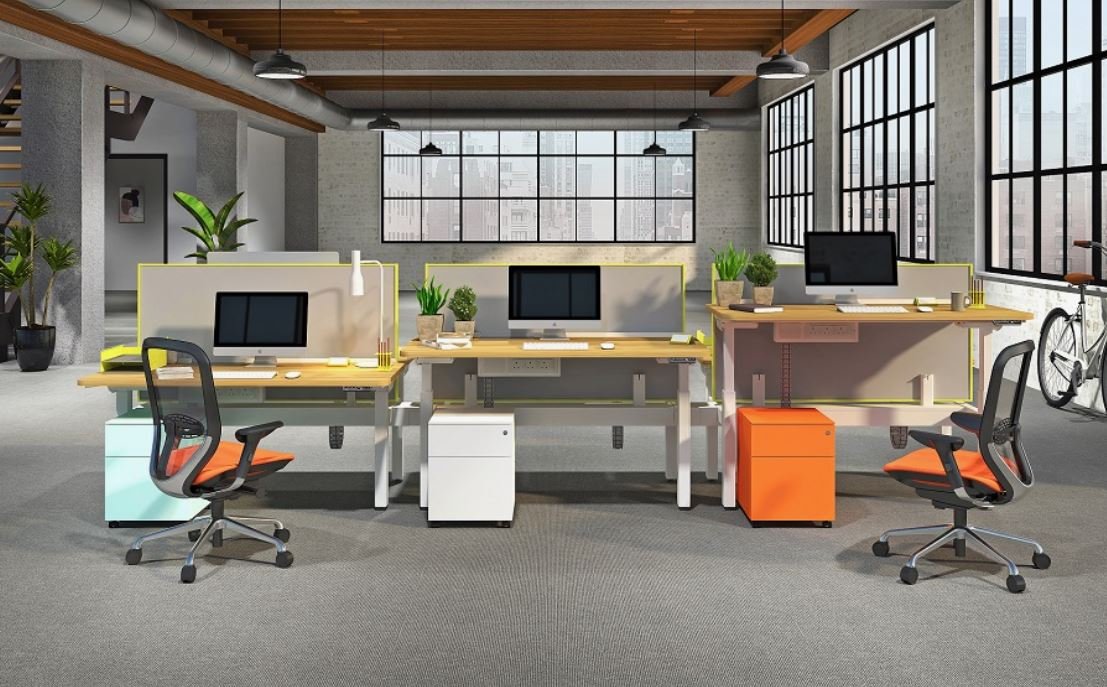
Corporate workstations can help organize employees into functional groups while making efficient use of floor space. Modular systems may allow businesses to configure desks according to department size and office dimensions.
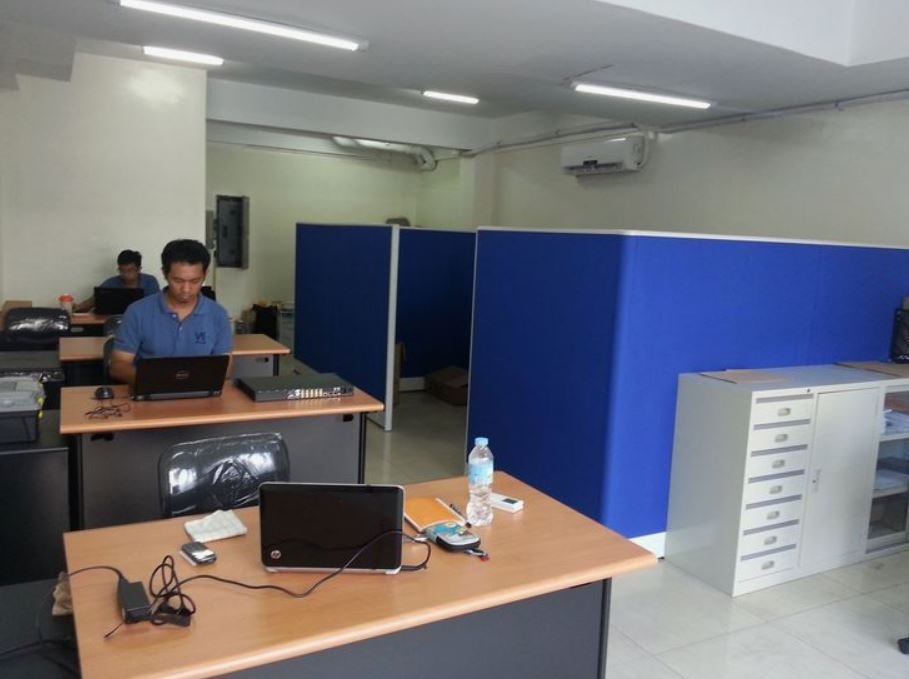
Workstations can also support collaboration when employees need to communicate frequently. Privacy screens or partitions may be useful when employees require greater concentration.
For growing companies, modular furniture can provide flexibility because layouts can be adjusted as teams expand or office requirements change.
Conference and Meeting Room Furniture
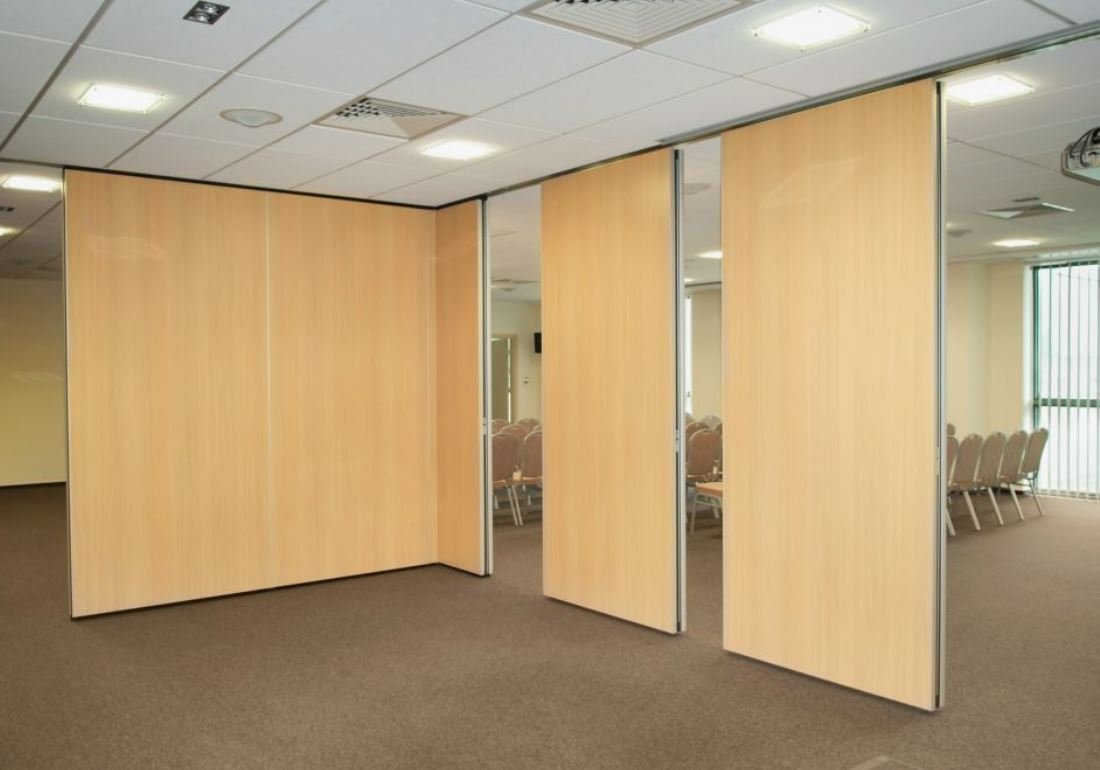
Meeting rooms are used for internal discussions, presentations, interviews, client meetings, and strategic planning. The furniture should therefore balance comfort, professional appearance, and practical functionality.
A conference table should provide sufficient workspace for the expected number of participants without making the room feel overcrowded. Meeting chairs should allow users to remain comfortable during longer discussions.
Businesses may also consider integrated cable management, power access, and furniture placement when designing technology-enabled meeting rooms.
Reception Furniture and Corporate Image
Reception areas are often the first physical point of contact between a business and its visitors. Furniture choices can influence how organized and professional the space appears.
A reception desk should provide adequate working space for front-desk staff while leaving enough room for visitors and movement. Complementary visitor chairs, side tables, storage, and signage can help create a cohesive reception environment.
The goal should be a practical reception area that reflects the company’s workplace identity without sacrificing usability.
Storage Solutions for Organized Workplaces
Storage remains important even in increasingly digital workplaces. Corporate offices may still need space for contracts, records, stationery, equipment, supplies, and personal belongings.
Filing cabinets, storage cabinets, mobile pedestals, and shelving systems can help keep frequently used materials accessible while reducing clutter.
Before selecting storage furniture, businesses should estimate their current requirements and consider future growth. This can prevent storage areas from becoming overcrowded as the organization expands.
What Should Businesses Consider Before Buying Corporate Furniture?
Several factors should be evaluated before making a corporate furniture purchase:
- Office dimensions and floor plan
- Number of employees
- Department requirements
- Type of daily work
- Furniture durability
- Ergonomic features
- Available storage
- Cable management
- Future expansion
- Maintenance requirements
- Budget and total ownership cost
- Delivery and installation requirements
Creating a furniture plan before purchasing individual products can make the entire process more efficient.
Corporate Furniture for Manila and Quezon City Businesses
Companies in Manila and Quezon City operate across a wide range of industries, including professional services, technology, education, healthcare, retail, and corporate operations. Their workplace requirements can therefore vary significantly.
A company setting up a new office may need a complete furniture package, while an established business may only need additional workstations, executive desks, chairs, or storage. Local businesses should consider office dimensions, building access, delivery requirements, installation, and future expansion when planning furniture procurement.
Working with a supplier that understands corporate workplace requirements can simplify the process from furniture selection through installation.
How to Plan an Office Furniture Budget
A corporate furniture budget should cover more than the purchase price of individual items. Businesses should also consider delivery, installation, maintenance, replacement requirements, and potential future additions.
Instead of selecting furniture solely because it has a low initial price, procurement teams can compare construction quality, expected usage, warranty terms, functionality, and long-term practicality.
A structured budget can also help businesses prioritize essential furniture first and add secondary items according to available resources.
Common Mistakes When Buying Corporate Office Furniture
One common mistake is purchasing furniture before measuring the office. Large desks or excessive storage can make a workspace difficult to navigate.
Another mistake is choosing furniture based entirely on appearance. A visually attractive desk may not provide the required workspace, storage, or cable management.
Businesses should also avoid ignoring employee needs. Furniture used every day should be selected with comfort, functionality, and appropriate dimensions in mind.
Finally, companies should consider future growth. A furniture plan that works for today’s workforce may become inefficient if the business adds employees or reorganizes departments.
How Office Furniture Express Can Support Corporate Furniture Needs
Businesses looking for Office Furniture Corporate solutions can work with Office Furniture Express when planning professional workplace furniture. The right approach starts with understanding the office layout, employee requirements, functional zones, and procurement objectives.
Instead of selecting products individually without a plan, businesses can discuss their requirements and determine which furniture categories are suitable for their workspace. This can be particularly useful for companies furnishing new offices, renovating existing workplaces, expanding departments, or replacing outdated furniture.
How to Choose a Corporate Office Furniture Supplier
Before working with a furniture supplier, businesses should evaluate the range of products available, material quality, customization options, delivery capabilities, installation services, and after-sales support.
It is also useful to provide the supplier with basic information about the office, including floor dimensions, employee numbers, department requirements, preferred furniture styles, and approximate budget.
For larger projects, procurement teams can request a detailed quotation so different furniture requirements can be reviewed together.
Frequently Asked Questions
What is Office Furniture Corporate?
Office Furniture Corporate refers to professional furniture solutions designed for business environments, including desks, workstations, chairs, conference tables, reception furniture, and storage.
What furniture does a corporate office need?
Most corporate offices need workstations or desks, ergonomic chairs, storage, meeting furniture, reception furniture, and suitable executive office furniture.
How do I choose furniture for a corporate office?
Consider the office layout, number of employees, work requirements, available space, durability, ergonomics, storage, budget, and future expansion.
Is modular furniture suitable for corporate offices?
Yes. Modular furniture can provide flexibility for offices that need adjustable layouts or expect changes in team size and department structure.
Should businesses measure their office before buying furniture?
Yes. Accurate measurements help ensure that desks, workstations, storage, and meeting furniture fit properly while maintaining adequate circulation space.
Can corporate furniture be planned for growing businesses?
Yes. Businesses can use modular workstations and flexible furniture systems to make future expansion or office reconfiguration easier.
Final Thoughts
Corporate furniture should support the way a business actually operates. From executive offices and employee workstations to meeting rooms, reception areas, and storage zones, every furniture choice can contribute to a more organized and functional workplace. Businesses in Manila and Quezon City can benefit from assessing their space, workforce, daily activities, and future requirements before making purchasing decisions.
If you are planning a new corporate office, renovating an existing workplace, or expanding your team, Office Furniture Express can help you explore suitable furniture solutions and plan your requirements. Requesting a quotation or discussing your office layout with a furniture supplier can be a practical next step toward creating a workspace that meets your business needs.