Skip to main content
Choosing the right office setup is about more than filling a workplace with desks and chairs. The right furniture can influence productivity, employee comfort, collaboration, organization, and the overall impression a business gives to clients. For companies searching for Corporate Furniture Philippines, the priority should be finding furniture that matches the workplace layout, business requirements, employee needs, and available budget. A well-planned office can support different work styles while maintaining a professional and welcoming environment.
What Is Corporate Furniture?
Corporate furniture refers to furniture designed for professional workplaces, including executive offices, open-plan workspaces, meeting rooms, reception areas, employee workstations, conference rooms, and shared spaces. It commonly includes office desks, ergonomic chairs, workstations, conference tables, filing cabinets, storage units, reception counters, and collaborative furniture.
Unlike ordinary household furniture, corporate furniture is selected with workplace use in mind. It needs to withstand regular daily use while providing comfort, functionality, and a consistent visual identity. Businesses in Manila and Quezon City can benefit from choosing furniture according to the number of employees, office dimensions, workflow, and type of work performed.
Why Quality Corporate Furniture Matters
Office furniture directly affects how people use a workplace. An uncomfortable chair can make long working hours difficult, while an unsuitable desk can create unnecessary clutter. Poorly planned furniture can also make an office feel cramped and restrict movement.
Quality furniture provides a more practical working environment. Ergonomic office chairs can support comfortable sitting, while appropriately sized desks provide enough space for computers, documents, and essential equipment. Storage furniture can help keep frequently used materials organized.
The appearance of an office also matters. Clients, partners, candidates, and visitors often form impressions when they enter a workplace. A coordinated furniture selection can create a professional atmosphere without making the office unnecessarily formal.
Types of Corporate Furniture for Philippine Offices
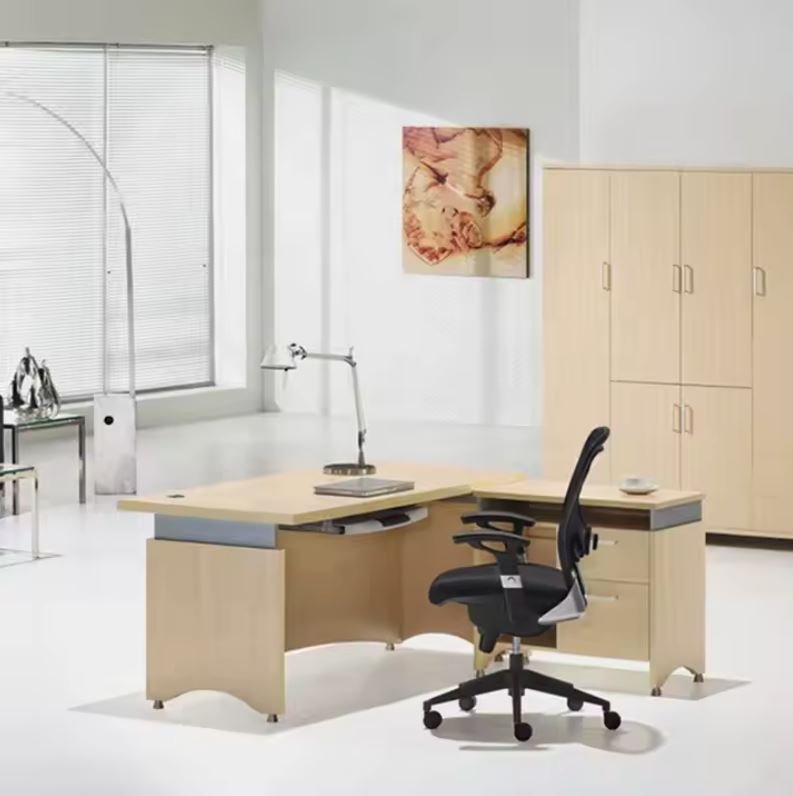
Different areas of an office require different furniture solutions. Employee work areas often use office workstations or modular desks because they make efficient use of floor space. Workstations can be arranged according to team size and workflow, making them suitable for growing companies.
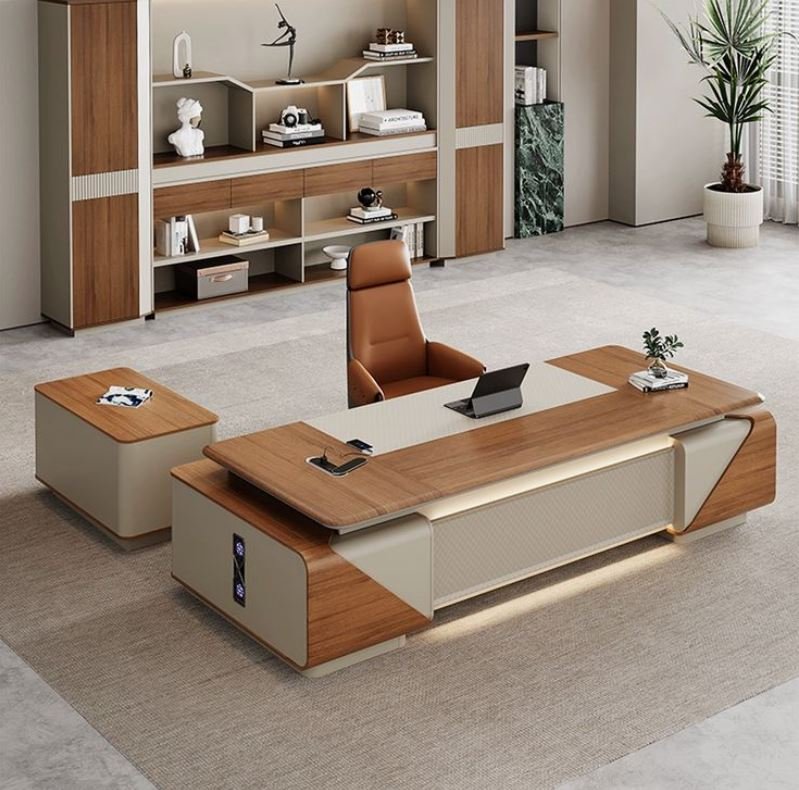
Executive offices usually require a different approach. Executive desks, comfortable office chairs, storage cabinets, and meeting tables can create a dedicated environment for management and private discussions.
Conference rooms need furniture that supports meetings and presentations. A properly sized conference table should leave enough room for chairs and movement. Cable management is also important when employees use laptops, displays, video conferencing equipment, or other technology.
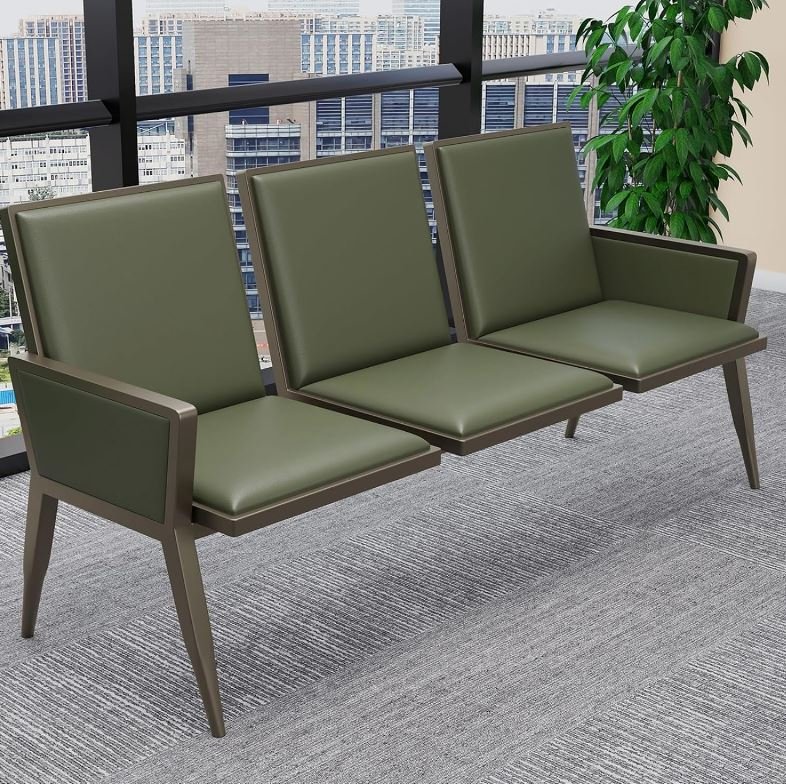
Reception areas create the first physical impression of a company. A reception counter, comfortable visitor seating, and suitable storage can make this space both functional and welcoming.
Storage is another important consideration. Filing cabinets, pedestals, shelves, and other storage solutions can help businesses organize documents and supplies without occupying unnecessary floor space.
How to Choose Corporate Furniture for Your Business
The first step is to understand how the office will be used. A technology company with collaborative teams may need more workstations and meeting areas, while a professional services company may require more private offices and client meeting rooms.
Office measurements should also be taken before purchasing furniture. A desk that looks suitable in a showroom may not work well in a small office. Consider walking paths, doors, windows, columns, electrical outlets, and emergency access when planning the layout.
Employee comfort should remain a major priority. Look for office chairs with appropriate adjustability and desks that provide adequate working space. Furniture should support employees rather than force them to adapt to an uncomfortable setup.
Durability is equally important. Corporate furniture is exposed to frequent use, so materials, hardware, construction quality, and maintenance requirements should be evaluated before making a purchase.
Corporate Office Furniture for Manila Businesses
Manila Corporate Furniture Philippines operate in a wide variety of commercial environments, from compact offices to large corporate facilities. Space efficiency can therefore become an important part of furniture planning.
For smaller offices, modular workstations, compact desks, mobile pedestals, and vertical storage can help maximize available floor space. Larger offices may have more flexibility to create dedicated collaboration zones, executive areas, meeting rooms, and employee workspaces.
Businesses should also consider how furniture will move through the building. Elevator dimensions, access points, delivery restrictions, and installation requirements can influence which furniture configurations are practical.
Corporate Furniture Solutions in Quezon City
Quezon City businesses can benefit from furniture layouts designed around their specific office environment rather than choosing products based only on appearance. A practical layout can separate focused work areas from collaborative spaces while maintaining convenient movement throughout the office.
Companies planning an office renovation or relocation should consider their future requirements as well. If the workforce is expected to grow, modular furniture can provide greater flexibility. Additional workstations or storage units may be easier to incorporate without redesigning the entire workplace.
Ergonomics and Employee Comfort
Ergonomics should be considered when selecting corporate office furniture. Employees may spend many hours at their desks, so chairs and desks need to support comfortable working positions.
An ergonomic office chair should offer appropriate seat height, back support, and adjustability for the user. Desk height and monitor positioning should also be considered when creating a workstation.
However, ergonomic furniture alone does not solve every workplace issue. Employees should also be encouraged to change positions, take appropriate breaks, and arrange their workstations correctly.
How Office Layout Influences Productivity
Furniture and office layout work together. A poorly arranged office can create unnecessary noise, interruptions, congestion, and wasted space. A well-designed layout can make it easier for employees to communicate and access the resources they need.
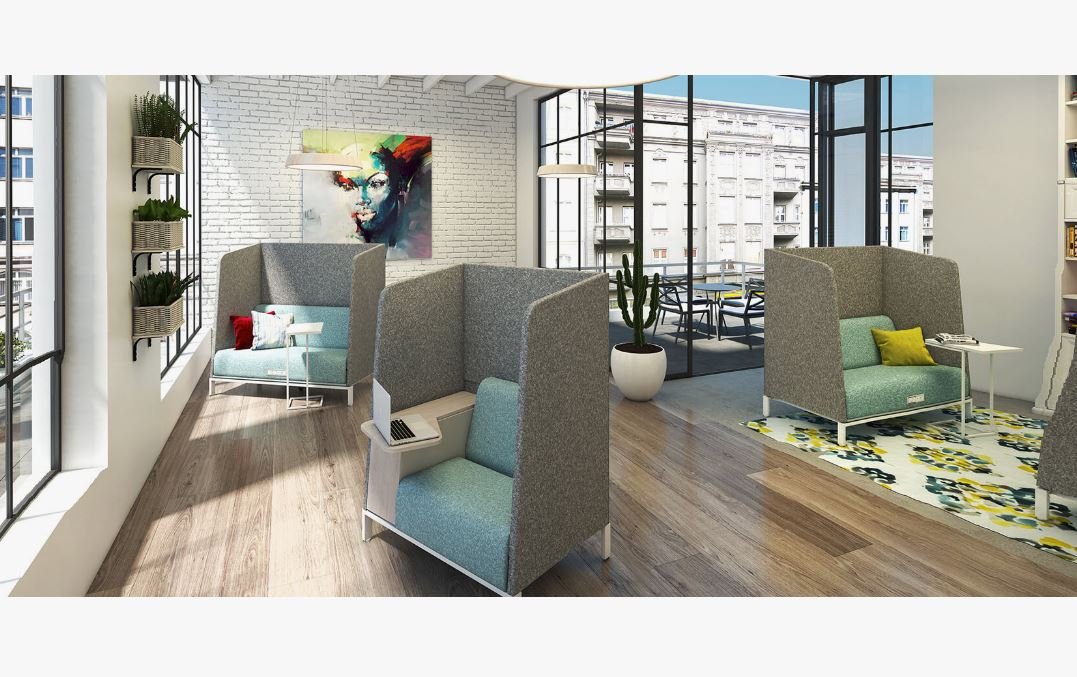
Open-plan workstations can support teamwork, while private rooms can provide areas for confidential discussions or focused work. Meeting tables can create designated spaces for collaboration, reducing the need to occupy individual workstations for group discussions.
The goal should not simply be to fit the maximum number of desks into a room. Instead, the furniture plan should balance capacity, comfort, circulation, storage, collaboration, and privacy.
Corporate Furniture and Professional Office Design
Furniture contributes significantly to the visual identity of a workplace. Colors, finishes, materials, shapes, and furniture configurations can create a consistent appearance throughout an office.
A modern office does not necessarily require expensive or highly decorative furniture. Clean lines, coordinated finishes, practical storage, and appropriate proportions can produce a professional environment.
Businesses should choose furniture that reflects their organization without sacrificing functionality. The most attractive office is not necessarily the most effective one if employees struggle to work comfortably within it.
What Should Businesses Consider Before Buying?
Before purchasing corporate office furniture, businesses should assess the available space, employee count, work requirements, storage needs, budget, durability expectations, and future expansion plans.
It is also useful to create a furniture layout before ordering. This helps identify potential problems with desk spacing, walking paths, doors, meeting areas, and storage.
Businesses should ask suppliers about delivery, installation, warranties, customization, lead times, and after-sales support. These details can have a significant effect on the overall purchasing experience.
Common Corporate Furniture Buying Mistakes
One common mistake is choosing furniture based entirely on price. A cheaper product may not provide the durability or comfort required for intensive workplace use.
Another mistake is buying furniture before measuring the office. Even high-quality furniture can become problematic when it does not fit the available space.
Ignoring employee needs is another issue. Furniture should match the tasks employees perform. A workstation for someone using multiple monitors may require different dimensions from a desk used primarily for paperwork.
Businesses can also make the mistake of overlooking storage. Without enough storage, documents, equipment, and supplies can quickly create clutter.
Finally, purchasing individual furniture pieces without considering the overall layout can result in an inconsistent and inefficient workplace.
Corporate Furniture for Growing Companies
Startups and expanding businesses need flexibility. Employee numbers can change quickly, departments can move, and office layouts may need to be modified.
Modular workstations and flexible storage can make future changes easier. Businesses should consider furniture that can be rearranged or expanded instead of creating a layout that only works for the current headcount.
This approach can help companies manage future office changes while reducing the need for complete furniture replacement.
Making Corporate Furniture More Cost-Effective
Cost-effectiveness is not simply about finding the lowest initial price. Businesses should consider expected lifespan, maintenance, replacement costs, employee comfort, and flexibility.
Durable furniture may have a higher upfront cost but could provide better long-term value. Similarly, modular furniture can be useful when companies expect their workspace requirements to change.
A good purchasing decision considers the total value of the furniture rather than focusing on price alone.
Questions to Ask an Office Furniture Supplier
Before placing an order, businesses should ask whether the furniture can be customized, what materials are used, how long delivery will take, whether installation is available, and what warranty coverage is provided.
It is also helpful to discuss the office layout with a knowledgeable supplier. Professional input can help identify furniture combinations that suit the available space and intended workflow.
Frequently Asked Questions
What Is Corporate Furniture?
Corporate furniture is professional workplace furniture designed for offices, including desks, workstations, chairs, conference tables, storage units, reception furniture, and executive furniture.
How Do I Choose Corporate Furniture for a Small Office?
Measure the space first and prioritize compact, functional furniture that maintains comfortable circulation. Modular workstations and vertical storage can be useful options.
Is Ergonomic Furniture Important for Corporate Offices?
Yes. Ergonomic furniture can support comfortable working positions and is particularly important for employees who spend extended periods working at desks.
What Furniture Does a Corporate Office Need?
Typical requirements include workstations or desks, ergonomic chairs, storage, filing cabinets, meeting tables, reception furniture, and executive office furniture.
Should I Buy Modular Office Furniture?
Modular furniture can be a practical choice for businesses that expect their workforce or office layout to change because components can often be rearranged or expanded.
How Can I Make My Office Look More Professional?
Choose furniture with coordinated finishes and appropriate proportions, maintain clear circulation, reduce clutter, and create separate areas for work, meetings, reception, and storage.
Where Can Businesses Find Corporate Furniture in the Philippines?
Businesses can compare office furniture suppliers based on product quality, customization options, delivery, installation, warranty, and their ability to support the requirements of the specific workplace.
How Corporate Furniture Can Support a Better Workplace
The best office furniture is not simply attractive. It should make the workplace easier to use. Employees should have sufficient working space, visitors should have comfortable areas, meeting rooms should support collaboration, and storage should prevent unnecessary clutter.
For businesses researching Corporate Furniture Philippines, the ideal approach is to combine practical planning with durable furniture and a layout suited to the organization. Whether the workplace is in Manila, Quezon City, or another Philippine business district, furniture decisions should be based on how people actually use the office.
Businesses looking for suitable workplace solutions can explore the options available from Office Furniture Express and discuss their specific requirements before making a purchase. A thoughtful furniture plan can help create a professional, comfortable, and adaptable workplace that supports both current operations and future growth.