Skip to main content


Modern workplaces need furniture that combines durability, functionality, attractive designs, and affordability. Whether you are furnishing a corporate office, startup, school, hospital, or government workspace, choosing the right furniture can make a significant difference in daily operations. The right materials also help businesses maintain a professional appearance while managing long-term maintenance costs.
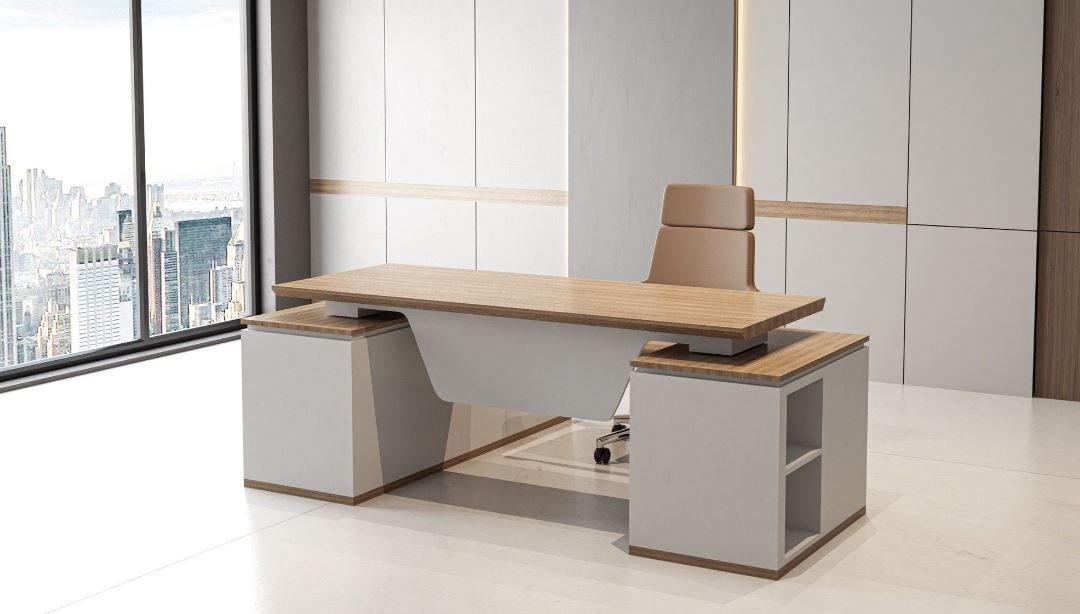
Laminated Office Furniture is a practical choice for businesses looking for stylish office interiors without compromising everyday functionality. Laminated surfaces offer a wide range of colors, textures, and finishes, making it easier to create workspaces that reflect a company’s professional identity. From executive desks and office tables to storage cabinets and workstations, laminated furniture can support different workplace requirements.
Understanding Laminated Office Furniture
Laminated office furniture is made using engineered wood or other suitable core materials covered with a decorative laminate layer. This outer layer provides the furniture with its finished appearance while helping protect the underlying surface from everyday wear.
Common core materials include particleboard, medium-density fiberboard (MDF), and plywood. The choice depends on the furniture design, intended use, construction quality, and budget.
The laminate surface is available in various finishes, including wood grain, solid colors, matte textures, and glossy designs. This variety allows businesses to select furniture that complements their office interiors.
For example, a company in Metro Manila may choose a light wood finish for a welcoming workspace, while a corporate office in Quezon City may prefer darker finishes for executive rooms and meeting areas.
Why Laminated Furniture Is Popular in Modern Offices
Office furniture needs to handle regular use while maintaining a clean and professional appearance. Laminated furniture offers several advantages that make it suitable for different commercial environments.
One important benefit is its design flexibility. Businesses can select from different colors, patterns, and textures to create a consistent interior theme. This is especially useful when furnishing multiple departments or planning a complete office renovation.
Another advantage is its relatively simple maintenance. Most laminate surfaces can be cleaned using a soft cloth and mild cleaning solution. This makes routine cleaning easier for offices with busy schedules.
Laminated furniture is also available in different price ranges. Businesses can select suitable materials and construction specifications according to their budgets without limiting themselves to basic designs.
However, overall durability depends on the quality of the laminate, core material, edge finishing, hardware, and manufacturing process. Proper construction is just as important as appearance.
Different Types of Laminated Office Furniture
Businesses can use laminated furniture throughout their workplaces. Selecting the right furniture for each area helps improve organization, comfort, and workflow.
Laminated Office Tables
Office tables are essential for everyday administrative and professional activities. Laminated office tables provide practical work surfaces for employees, managers, and business owners.
They are available in different sizes and configurations, including straight desks, L-shaped tables, computer tables, and executive office tables.
When selecting an office table, consider the available workspace, computer equipment, storage requirements, and employee responsibilities. A properly sized table helps maintain an organized working environment.
Laminated Office Desks
Office desks support individual productivity and provide dedicated workspaces for employees. Laminated desks are available in contemporary and traditional designs, making them suitable for different office interiors.
Businesses can choose desks with built-in drawers, modesty panels, cable management features, and attached storage units.
For shared offices, compact desks can help maximize available floor space. For executive offices, larger desk designs can provide additional working and meeting areas.
Laminated Storage Cabinets
Storage is an important part of an organized office. Laminated cabinets provide space for documents, stationery, office supplies, and other essential materials.
They are available in different configurations, including vertical cabinets, horizontal storage units, and combination cabinets.
Businesses should consider cabinet dimensions, shelf capacity, door mechanisms, and the type of items being stored before making a purchase.
Laminated Office Workstations
Workstations are useful for businesses with multiple employees working in the same area. Laminated Office Furniture workstation systems can create organized individual spaces while maintaining a consistent office design.
They can include desk partitions, storage units, cable management solutions, and shared working surfaces.
For growing businesses in Manila and Quezon City, workstation layouts can help use available office space more efficiently.
Laminated Conference and Meeting Tables
Meeting rooms require furniture that supports discussions, presentations, and collaborative activities.
Laminated conference tables are available in rectangular, oval, and modular configurations. Their finishes can complement the surrounding chairs, cabinets, and interior design.
The ideal table size depends on the number of participants, room dimensions, and equipment requirements.
Benefits of Laminated Office Furniture for Businesses
Choosing suitable furniture is an investment in workplace functionality. Laminated furniture offers several practical benefits for organizations of different sizes.
1. Wide Range of Design Options
Laminated furniture comes in numerous finishes, allowing businesses to create attractive office interiors. Wood-inspired patterns, neutral shades, dark finishes, and contemporary colors provide flexibility when matching furniture with existing office décor.
2. Easy Cleaning and Maintenance
Office furniture is used throughout the working day. Dust, fingerprints, and occasional spills can affect its appearance. Laminated surfaces are generally easy to maintain with regular cleaning.
Using a soft microfiber cloth and a mild cleaning solution can help keep furniture looking presentable. Avoid abrasive cleaners and excessive water.
3. Practical for Everyday Office Use
Quality laminate finishes can resist many common scratches, stains, and surface marks associated with normal office activities. This makes them suitable for desks, tables, storage cabinets, and workstations.
However, the actual level of resistance depends on the laminate grade and product construction.
4. Flexible Budget Options
Businesses often need to furnish several rooms or entire office floors. Laminated furniture provides different design and construction options that can accommodate various project budgets.
Companies can prioritize essential features such as strong construction, suitable dimensions, quality hardware, and practical storage.
5. Consistent Office Appearance
Using coordinated furniture finishes helps create a professional environment. Matching office tables, cabinets, workstations, and meeting room furniture can give an organization a more organized visual identity.
Laminated Office Furniture vs. Veneer Furniture
Businesses sometimes compare laminate and veneer when selecting office furniture. Although both materials can provide attractive finishes, they have different characteristics.
Laminated furniture uses a manufactured decorative surface designed to provide consistent patterns and finishes. Veneer uses a thin layer of natural wood, offering the appearance and texture of real timber.
Laminate is generally easier to maintain and provides more consistent color options. Veneer offers a natural wood appearance that may appeal to businesses looking for traditional or premium interiors.
The right choice depends on the intended application, design preferences, maintenance expectations, and available budget.
For high-traffic administrative areas, laminate can be a practical option. For executive spaces where natural wood aesthetics are important, veneer may be worth considering.
How to Choose the Right Laminated Office Furniture
Buying office furniture requires more than selecting an attractive color. Businesses should evaluate several important factors before making a purchasing decision.
Check the Core Material
The material underneath the laminate plays an important role in furniture strength and stability. MDF, particleboard, and plywood have different properties, so buyers should understand which material is being used.
Ask about board thickness, structural support, and suitability for the intended application.
Examine the Edge Finishing
Furniture edges are exposed to regular contact and accidental impacts. Proper edge banding helps protect exposed board edges and improves the overall finish.
Pay attention to corners, joints, and areas around drawers.
Consider the Office Layout
Measure the available floor space before purchasing desks, cabinets, and workstations. Furniture should allow employees to move comfortably without making the office feel crowded.
For businesses in Manila and Quezon City, efficient space planning can be particularly useful when working with limited commercial office areas.
Evaluate Hardware Quality
Drawer runners, cabinet hinges, handles, and locks influence the daily usability of office furniture.
Choose reliable hardware that suits the expected frequency of use. For shared workspaces, durable drawer mechanisms and properly fitted hinges can make everyday operations easier.
Select Suitable Colors and Finishes
Furniture finishes should complement the office environment. Light colors can create an open and bright appearance, while darker finishes can provide a more formal atmosphere.
Consider wall colors, flooring, lighting, and existing furniture before selecting a final design.
Ask About Warranty and After-Sales Support
Before placing a large order, ask about warranty coverage, delivery arrangements, installation services, and replacement policies.
These details are especially important for businesses purchasing furniture for multiple departments or office locations.
Laminated Office Furniture for Manila and Quezon City Workspaces
Businesses across Metro Manila have different furniture requirements depending on their industries, available space, and daily operations.
In Manila, corporate offices, educational institutions, healthcare facilities, and government departments may require furniture that supports regular use and organized storage.
Laminated office desks, conference tables, filing cabinets, and reception counters can help create functional environments for these organizations.
In Quezon City, startups, business centers, BPO companies, and established corporations may need flexible workstation arrangements. Modular laminated furniture can help accommodate different employee requirements while maintaining a consistent interior design.
When planning an office furniture project in either location, businesses should consider the following:
- Available office floor space and room dimensions.
- Number of employees and departments.
- Individual desk and workstation requirements.
- Storage capacity for documents and supplies.
- Furniture delivery and installation arrangements.
- Future business expansion and additional seating requirements.
Planning these details before purchasing can help prevent unnecessary expenses and improve the overall functionality of the workplace.
Common Mistakes to Avoid When Buying Laminated Furniture
Even attractive furniture may not be suitable if important specifications are overlooked.
One common mistake is selecting furniture based only on appearance. A beautiful finish cannot compensate for weak construction or unsuitable dimensions.
Another mistake is ignoring edge protection. Poorly finished edges can become vulnerable to damage, particularly when furniture is moved frequently.
Businesses should also avoid purchasing oversized desks without considering the available floor area. This can reduce movement space and make offices less comfortable.
Choosing low-quality hardware is another issue. Drawer runners and cabinet hinges should be appropriate for the furniture’s expected use.
Finally, buyers should not overlook cleaning and maintenance requirements. Excessive moisture can damage exposed board edges and certain core materials. Furniture should be kept dry, and spills should be cleaned promptly.
How to Maintain Laminated Office Furniture
Regular maintenance helps preserve the appearance and usability of office furniture.
Start by removing dust with a soft, dry cloth. For everyday cleaning, use a slightly damp microfiber cloth and a mild cleaning solution when appropriate.
Avoid using steel wool, abrasive scrubbers, or harsh chemicals that may damage the decorative finish.
Do not leave standing water on desks or cabinets. Pay particular attention to joints, corners, and edges where moisture may enter the core material if the surface protection is damaged.
Use desk mats when placing heavy equipment or frequently used accessories on work surfaces. Avoid dragging heavy objects across laminated panels.
Check screws, hinges, handles, and drawer runners periodically. Tightening loose fittings and addressing minor problems early can help extend furniture usability.
For offices in the Philippines, it is also sensible to avoid prolonged exposure to moisture and direct water contact, particularly around furniture edges.
Why Businesses Should Invest in Quality Office Furniture
A properly furnished workplace can support employee comfort, organization, and professional presentation. Furniture influences how people interact with their working environment, from individual administrative tasks to team meetings and client discussions.
For growing companies, selecting furniture that accommodates future requirements can also reduce the need for frequent replacements.
Laminated office desks, modular workstations, conference tables, and storage cabinets offer practical choices for creating coordinated work environments.
However, businesses should focus on overall product quality rather than choosing furniture based on price alone. Material specifications, construction, hardware, dimensions, and after-sales support should all be considered.
A well-planned furniture purchase can provide long-term value while helping businesses maintain an organized and professional workplace.
Frequently Asked Questions About Laminated Office Furniture
What is laminated office furniture?
Laminated office furniture uses a decorative laminate surface applied to a core material such as MDF, particleboard, or plywood to provide an attractive and functional finish.
Is laminated furniture suitable for corporate offices?
Yes. It is suitable for office desks, workstations, meeting tables, cabinets, and other commercial furniture applications.
Is laminated office furniture easy to clean?
Yes. Most laminate surfaces can be cleaned using a soft cloth and mild cleaning solution. Avoid excessive moisture and abrasive cleaning materials.
Does laminated furniture come in different designs?
Yes. It is available in wood grain, matte, glossy, solid colors, and various contemporary patterns.
Is laminated furniture durable?
Quality laminated furniture can handle regular office use. Its durability depends on the laminate quality, core material, edge finishing, and construction.
Can laminated office furniture be customized?
Yes. Many furniture designs can be customized according to dimensions, colors, storage requirements, and workplace layouts, depending on the manufacturer’s capabilities.
What should I check before buying laminated office furniture?
Check the core material, laminate finish, board thickness, edge banding, hardware quality, dimensions, warranty, and installation arrangements.
Is laminated furniture suitable for small offices?
Yes. Compact desks, wall-side storage cabinets, and modular workstations can help make better use of limited office space.
Create a More Functional Workspace with the Right Furniture
Choosing the right office furniture is an important step toward creating an organized, comfortable, and professional business environment. From individual employee desks to complete workstation systems, the right furniture should balance appearance, functionality, durability, and budget.
Before making a purchase, evaluate your workspace requirements, compare material specifications, and consider how each furniture piece will support everyday business activities. A carefully planned furniture selection can help organizations make better use of their available space while maintaining a consistent interior design.
Office Furniture Express understands the importance of practical and attractive office environments. Whether you are planning a new office, upgrading existing furniture, or furnishing a growing business in Manila or Quezon City, selecting suitable laminated furniture can be a valuable investment in your workplace. Focus on quality, functional designs, and furniture solutions that meet your organization’s current and future needs.