Skip to main content


A bank is more than a place where customers deposit money, withdraw cash, or discuss financial services. It is a professional environment where security, customer experience, employee productivity, and operational efficiency must work together. Every part of the interior, from the reception counter to the employee workstation, contributes to how customers perceive the institution.
Choosing the right Office Furniture for Banks is therefore an important decision for financial institutions planning a new branch, renovating an existing location, or expanding their operations. Banking environments require furniture that supports daily transactions, provides comfortable working conditions, maintains organized spaces, and creates a welcoming atmosphere for customers.
Unlike ordinary office environments, banks have several functional areas that serve different purposes. These may include customer service desks, teller counters, waiting areas, private consultation rooms, managerial offices, and administrative workstations. Each area requires carefully selected furniture to support its specific activities.
Why Furniture Selection Matters in Banking Environments
Furniture plays an important role in the daily operations of financial institutions. Bank employees handle customer inquiries, process documents, access computer systems, and manage confidential information throughout the day. Their workstations must support these responsibilities without creating unnecessary discomfort or clutter.
Customers also expect banks to provide an organized and professional environment. Comfortable seating, accessible service counters, and well-planned consultation areas can make visits more convenient.
A thoughtfully furnished banking environment can help achieve several objectives:
- Improve employee comfort during long working hours.
- Create a professional and trustworthy atmosphere.
- Support organized customer service operations.
- Make better use of available floor space.
- Provide comfortable waiting areas.
- Improve workflow between different departments.
- Support privacy and accessibility requirements.
Furniture should not simply fill empty spaces. It should contribute to the overall functionality of the branch while reflecting the institution’s professional identity.
Essential Furniture for Modern Bank Branches
Every banking facility has different operational requirements. A small community branch may need a compact reception area and a few employee workstations, while a large commercial bank may require multiple teller stations, private offices, meeting rooms, and customer waiting areas.
Selecting furniture according to the purpose of each department helps maintain an efficient layout.
Teller Counters and Customer Service Desks
Teller counters are among the most important furniture elements in a bank. They serve as the primary interaction point between customers and banking employees. These counters should provide sufficient workspace for computers, transaction equipment, document handling, and other essential tools.
A well-designed teller counter should consider:
- Appropriate counter height for employees and customers.
- Sufficient working space for transaction activities.
- Organized cable management.
- Durable surfaces that withstand frequent use.
- Suitable privacy arrangements between service stations.
- Accessible customer service positions.
The design should balance employee efficiency with customer convenience. Clear counter arrangements can also help direct visitors toward the correct service points.
Ergonomic Office Chairs for Bank Employees
Bank employees often spend extended periods sitting while performing administrative tasks, processing transactions, and communicating with customers. An uncomfortable chair can make daily work more difficult and contribute to physical strain.
Ergonomic office chairs are a practical investment for banking facilities. Adjustable seat height, lumbar support, comfortable cushioning, and suitable back support can help employees maintain better sitting positions.
Different departments may require different seating solutions. Teller employees may benefit from adjustable chairs designed for counter work, while managers and administrative staff may need chairs suitable for longer desk-based activities.
When evaluating office chairs, banks should consider durability, adjustability, maintenance requirements, and overall comfort.
Office Workstations and Computer Tables
Modern banks depend heavily on digital systems. Employees use computers for customer records, account management, financial documentation, internal communication, and administrative processes.
Office workstations should provide enough room for monitors, keyboards, documents, telephones, and other equipment. A well-organized workstation reduces unnecessary movement and helps employees complete their responsibilities efficiently.
Modular workstations can be particularly useful for banking facilities with limited floor space. They allow institutions to organize employee areas according to available room dimensions and departmental requirements.
Cable management, storage compartments, durable tabletops, and practical desk configurations should be considered during the selection process.
Comfortable Waiting Area Furniture
Customer waiting areas are an important part of the banking experience. Visitors may need to wait while transactions are processed, appointments become available, or customer service representatives complete their work.
Comfortable waiting room chairs can make these periods more pleasant. Banks should select seating that is durable, easy to clean, and suitable for regular customer traffic.
The waiting area should also provide sufficient space for movement, including accessible seating arrangements for people with mobility requirements.
Furniture placement matters just as much as furniture quality. Proper spacing between chairs helps prevent overcrowding and allows customers to move comfortably.
Executive Desks and Managerial Office Furniture
Bank managers, branch heads, and senior administrative employees often require dedicated office spaces for meetings, confidential discussions, and management responsibilities.
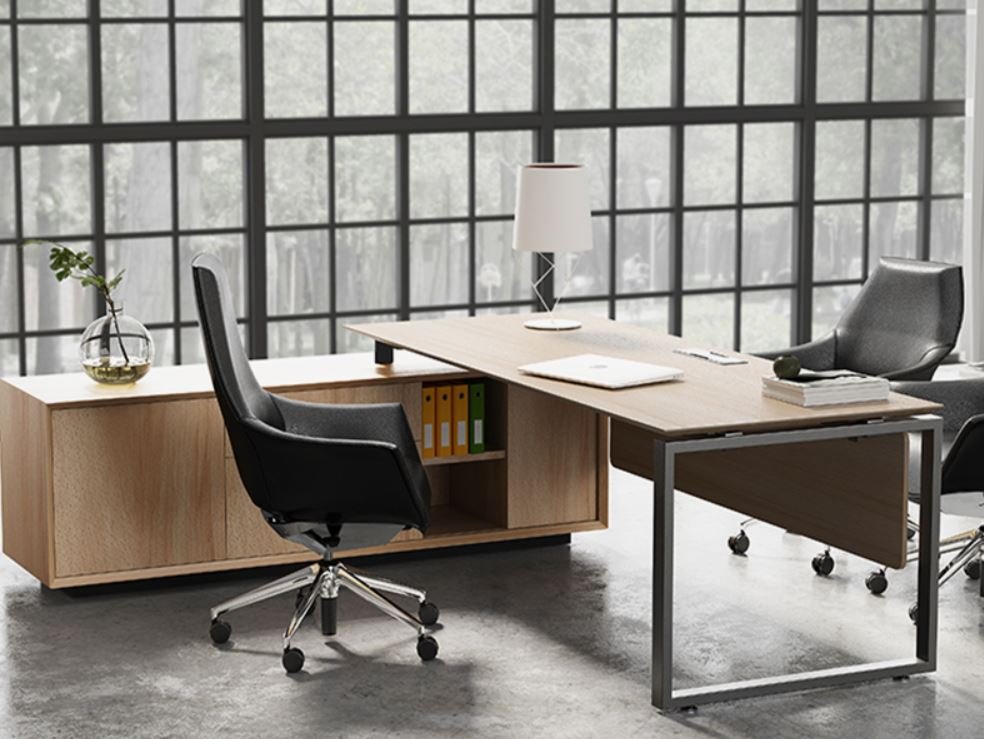
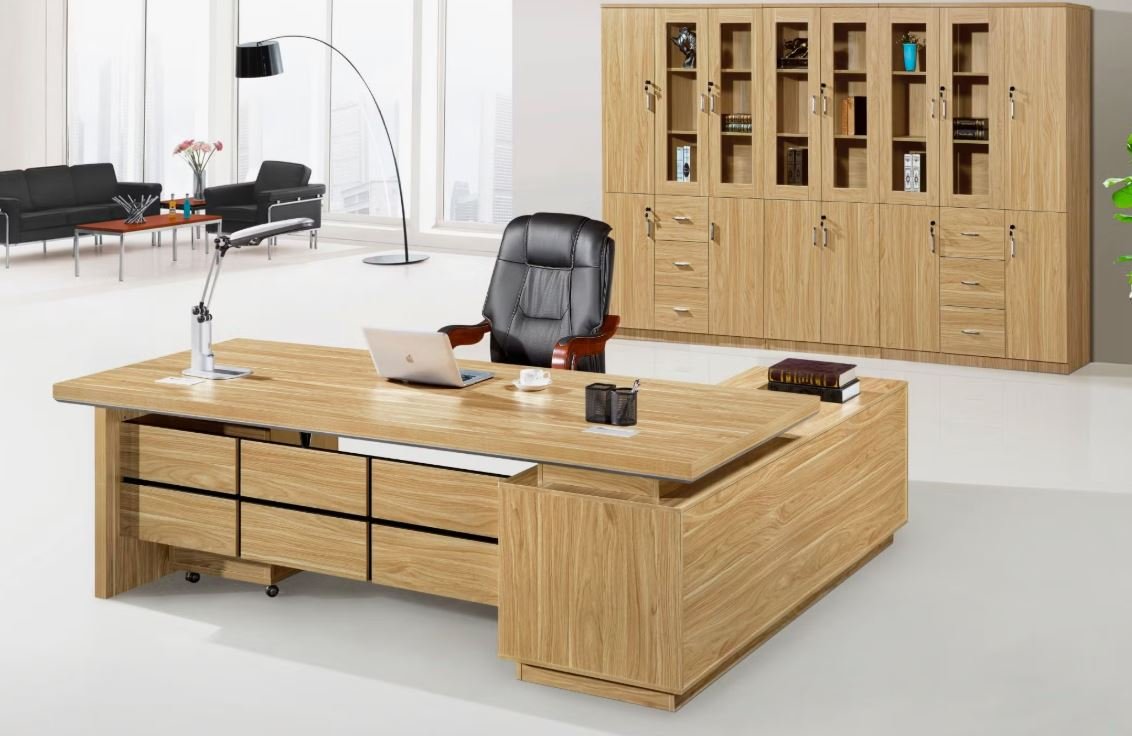
Executive desks should provide adequate working space for computers, paperwork, communication equipment, and essential office supplies. Storage cabinets and filing solutions can help keep documents organized.
The furniture in managerial offices should reflect professionalism without sacrificing functionality. A consistent design throughout the branch can also create a more cohesive interior appearance.
Secure Storage and Filing Cabinets
Banks handle sensitive customer information, financial records, contracts, and internal documents. Proper storage furniture helps employees maintain organized workspaces while supporting document management procedures.
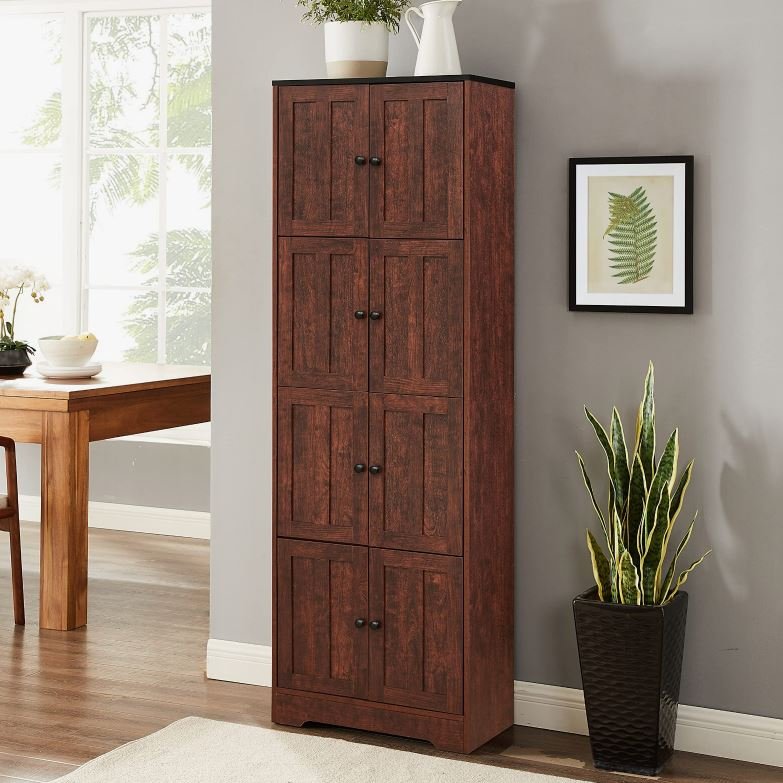
Filing cabinets, lockable pedestals, storage cupboards, and office cabinets are useful additions to administrative departments and private offices.
When selecting storage Office Furniture for Banks, consider the following features:
- Lockable drawers for confidential documents.
- Durable construction for frequent daily use.
- Organized compartments for different file categories.
- Space-efficient designs for smaller departments.
- Smooth drawer mechanisms for convenient access.
- Finishes that are easy to maintain.
Storage solutions should be positioned strategically so employees can access frequently used documents without interrupting their workflow. Banks should also follow their internal information security policies when deciding where confidential records and storage units are placed.
Conference Tables and Meeting Room Furniture
Banks regularly conduct internal meetings, employee training sessions, client consultations, and management discussions. A properly furnished meeting room provides a professional setting for these activities.
Conference tables should accommodate the expected number of participants while leaving sufficient space for laptops, documents, and presentation equipment.
Comfortable conference chairs are equally important, particularly when meetings involve extended discussions. The furniture should complement the overall interior design while providing practical functionality.
For banks in Manila and Quezon City, meeting room furniture should also be selected according to the available floor area. Compact conference tables can work well in smaller branches, while larger institutions may benefit from dedicated boardroom furniture.
Reception Furniture for a Professional First Impression
The reception area is often the first place customers encounter when entering a bank. Its design can influence how visitors perceive the institution before they even begin a transaction.
A professional reception counter, comfortable guest chairs, and organized waiting furniture can create a welcoming environment.
Reception furniture should provide enough room for employees to manage inquiries, organize documents, and communicate with visitors. The counter should also allow customers to approach comfortably.
Banks should avoid overcrowding reception areas with unnecessary furniture. A clean layout, coordinated finishes, and clear movement paths can make the space feel more organized.
Important Furniture Considerations for Banking Security
Security is a major consideration when planning bank interiors. Furniture arrangements should support the institution’s security procedures without making the environment uncomfortable for customers.
For example, teller counters should provide suitable separation between service positions. Employee workstations should be arranged to protect confidential information from unnecessary public visibility.
Banks should also consider:
- Lockable storage for sensitive documents.
- Controlled access to employee-only areas.
- Organized placement of computers and transaction equipment.
- Privacy screens where appropriate.
- Secure positioning of office equipment.
- Clear circulation between public and restricted areas.
Furniture alone cannot provide complete banking security. It should work alongside surveillance systems, access controls, internal procedures, and other security measures.
Accessible Furniture Design for Banks in the Philippines
Accessibility should be considered when selecting furniture for any public-facing banking environment. Customers may include senior citizens, wheelchair users, people with disabilities, and individuals who need additional assistance.
In the Philippines, Batas Pambansa Blg. 344, commonly known as the Accessibility Law, provides important requirements for accessible environments. Its 2024 revised implementing rules include provisions for accessible counters, workstations, and ATMs.
For example, the revised rules specify a lower counter height of 750 mm for accessible customer service counters, with a higher counter level of approximately 950–1,100 mm. They also specify minimum dimensions for clear floor space and counter widths. Banks should have their layouts reviewed against the applicable requirements rather than relying on furniture selection alone.
National Council on Disability Affairs+1
Accessible furniture planning should consider:
- Lower counter sections for wheelchair users.
- Adequate knee and leg clearance.
- Convenient access to customer service desks.
- Sufficient movement space around seating areas.
- Accessible ATM and kiosk arrangements.
- Clear pathways without unnecessary obstructions.
These considerations help create banking spaces that are more convenient and inclusive for different customer needs.
How to Choose Durable Furniture for Bank Branches
Bank furniture experiences frequent daily use. Employees operate workstations for extended periods, customers use waiting chairs throughout the day, and service counters handle continuous interactions.
Choosing furniture based only on its appearance or initial price can lead to additional maintenance and replacement costs.
Before purchasing furniture, banking institutions should evaluate several factors.
Material quality: Select materials that can withstand regular use. High-quality laminates, durable metal components, and sturdy furniture frames can support long-term performance.
Construction: Check the stability of desks, counters, cabinets, and chairs. Drawers should operate smoothly, and furniture joints should be properly assembled.
Maintenance: Choose surfaces that are easy to clean and maintain. This is particularly important for reception desks, teller counters, and customer seating.
Comfort: Employee chairs and customer seating should provide suitable support for their intended use.
Space requirements: Measure the available area before finalizing furniture dimensions. Consider doors, walkways, electrical outlets, and equipment placement.
Design consistency: Select furniture finishes that complement the bank’s branding and interior design.
A detailed furniture evaluation helps procurement teams make informed decisions and avoid unnecessary replacements.
Office Furniture Planning for Banks in Manila and Quezon City
Banking institutions in Manila and Quezon City operate in different types of commercial properties. Some branches occupy large standalone premises, while others operate within shopping centers, office buildings, and compact commercial spaces.
This makes local space planning an important part of furniture selection.
In Manila, banks may need furniture solutions that support high customer activity while making efficient use of available floor space. Practical teller counters, modular workstations, organized storage, and durable waiting chairs can help maintain an orderly branch environment.
In Quezon City, banking facilities may have different layouts depending on their building configuration, customer volume, and departmental requirements. Flexible furniture arrangements can help institutions accommodate operational changes without completely redesigning their interiors.
For both locations, banks should consider the following planning steps:
- Measure the branch and identify all functional areas.
- Determine the number of employees and customer service positions.
- Identify furniture requirements for each department.
- Plan customer circulation and employee movement.
- Include accessible service positions and suitable clearances.
- Select materials according to usage and maintenance requirements.
- Review the complete furniture layout before purchasing.
A properly planned layout can help institutions use available space more effectively while maintaining a professional customer experience.
Common Mistakes to Avoid When Buying Bank Furniture
Purchasing furniture for a banking facility requires careful planning. Some decisions that appear cost-effective initially can create operational problems later.
Here are common mistakes banking institutions should avoid:
- Choosing furniture based only on price: Low-cost products may not provide the durability required for continuous daily use.
- Ignoring employee ergonomics: Uncomfortable chairs and poorly designed workstations can affect employee comfort.
- Overlooking accessibility: Furniture arrangements should accommodate customers with different mobility requirements.
- Poor space planning: Oversized counters and desks can restrict movement and make branches feel crowded.
- Insufficient storage: A lack of filing cabinets and storage compartments can create workplace clutter.
- Ignoring maintenance requirements: Difficult-to-clean surfaces can increase ongoing maintenance efforts.
- Inconsistent furniture designs: Uncoordinated furniture can make the branch look unprofessional.
Avoiding these mistakes helps procurement teams select furniture that supports long-term operational requirements.
Benefits of Working with a Reliable Office Furniture Supplier
Selecting the right supplier is just as important as choosing the right furniture. Banks often need multiple furniture categories for different departments, making product availability, quality consistency, and reliable coordination important considerations.
A professional office furniture supplier can help businesses evaluate furniture options according to their available space, operational needs, and budget.
When comparing suppliers, consider:
- Variety of office furniture products.
- Quality of materials and construction.
- Availability of different desk and workstation designs.
- Furniture customization options.
- Product warranties and after-sales support.
- Delivery and installation arrangements.
- Ability to accommodate larger furniture requirements.
For banking institutions planning branch renovations or new office setups, discussing the complete furniture requirement with a supplier can make the purchasing process more organized.
How Office Furniture Express Supports Professional Banking Environments
Creating a functional banking environment requires furniture that balances employee comfort, customer convenience, durability, and professional presentation. Every furniture selection should serve a clear purpose within the branch.
Office Furniture Express recognizes the importance of practical furniture solutions for professional workplaces. From employee workstations and office desks to ergonomic chairs, reception furniture, storage cabinets, and meeting room solutions, selecting suitable products can help businesses create organized and efficient working environments.
For banks planning new branches, expanding existing facilities, or upgrading outdated interiors, evaluating furniture requirements before purchasing is an important step.
Financial institutions should consider their available floor space, employee requirements, customer traffic, accessibility needs, and long-term maintenance expectations when planning their furniture investment.
Final Thoughts
A well-designed banking environment depends on more than attractive interiors. It requires functional workstations, comfortable seating, organized storage, accessible service counters, and durable furniture that supports daily operations. Choosing the right Office Furniture for Banks can improve workplace organization, support employee productivity, and create a more welcoming experience for customers.
Whether a financial institution is establishing a new branch or renovating an existing facility in Manila or Quezon City, thoughtful furniture planning can make a meaningful difference. By prioritizing quality, ergonomics, accessibility, and practical design, banks can create professional spaces that meet their operational needs.
With suitable furniture options and careful planning, Office Furniture Express can be considered when exploring furniture solutions for professional banking environments.
Frequently Asked Questions
What furniture is essential for a bank?
Essential bank furniture includes teller counters, reception desks, ergonomic office chairs, employee workstations, waiting area seating, filing cabinets, conference tables, and executive desks.
Which office chairs are suitable for bank employees?
Ergonomic chairs with adjustable seat height, lumbar support, comfortable cushioning, and durable construction are suitable for employees who spend extended periods working at desks.
Why is furniture important in bank interior design?
Furniture supports employee productivity, customer comfort, workplace organization, and the professional appearance of banking facilities.
What should banks consider when purchasing teller counters?
Banks should consider counter dimensions, employee workspace, customer accessibility, equipment placement, privacy, durability, and available floor space.
Is ergonomic furniture necessary for banking offices?
Yes. Ergonomic furniture supports comfortable working positions and helps employees perform desk-based responsibilities more comfortably.
How can banks make their furniture accessible?
Banks should consider accessible counter heights, sufficient knee clearance, appropriate seating arrangements, and unobstructed movement areas in accordance with applicable accessibility requirements.
What storage furniture is suitable for banks?
Lockable filing cabinets, mobile pedestals, storage cupboards, and organized document cabinets are useful for maintaining orderly administrative workspaces.
How can banks choose durable office furniture?
Banks should evaluate material quality, construction, weight capacity, maintenance requirements, warranties, and suitability for frequent daily use.
Where can banks find office furniture in Manila and Quezon City?
Banking institutions can explore professional office furniture suppliers that offer suitable desks, chairs, workstations, counters, and storage solutions according to their project requirements.
What should banks consider before furnishing a new branch?
They should evaluate floor space, employee numbers, customer traffic, departmental requirements, accessibility, security arrangements, furniture quality, and future expansion needs.