Skip to main content

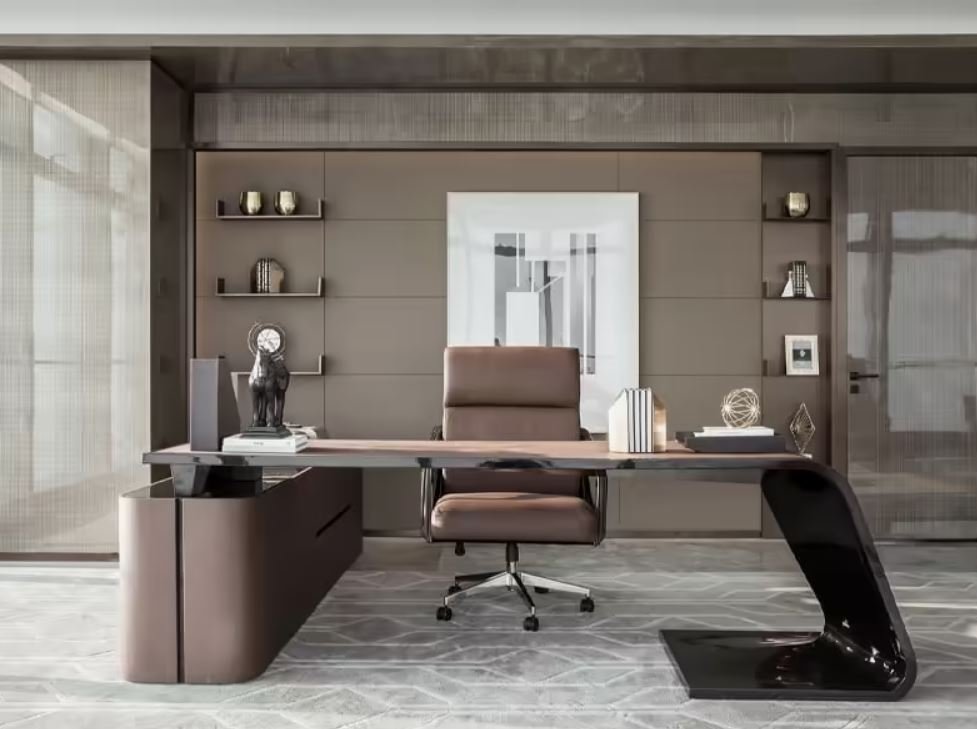
A well-designed office creates a positive impression on clients, supports employee comfort, and helps businesses operate efficiently. Choosing the right furniture is an important part of building a professional environment, whether you are setting up a corporate office, a startup workspace, a school administration room, or a home office. The right furniture balances functionality, appearance, durability, and available space while supporting the everyday needs of employees and visitors.
For businesses in Manila and Quezon City, selecting suitable Office Room Furniture means considering the room layout, number of employees, storage requirements, and overall workplace design. A carefully planned office can make even a compact room feel organized and comfortable. By choosing furniture that fits your working style, you can create an environment that supports productivity without making the space feel crowded.
Why Office Room Furniture Matters for Modern Workplaces
Office furniture influences how people work, communicate, and use their surroundings. An organized workspace makes it easier to find documents, complete tasks, hold meetings, and welcome visitors. Poorly selected furniture, on the other hand, can limit movement, create clutter, and make employees uncomfortable during long working hours.
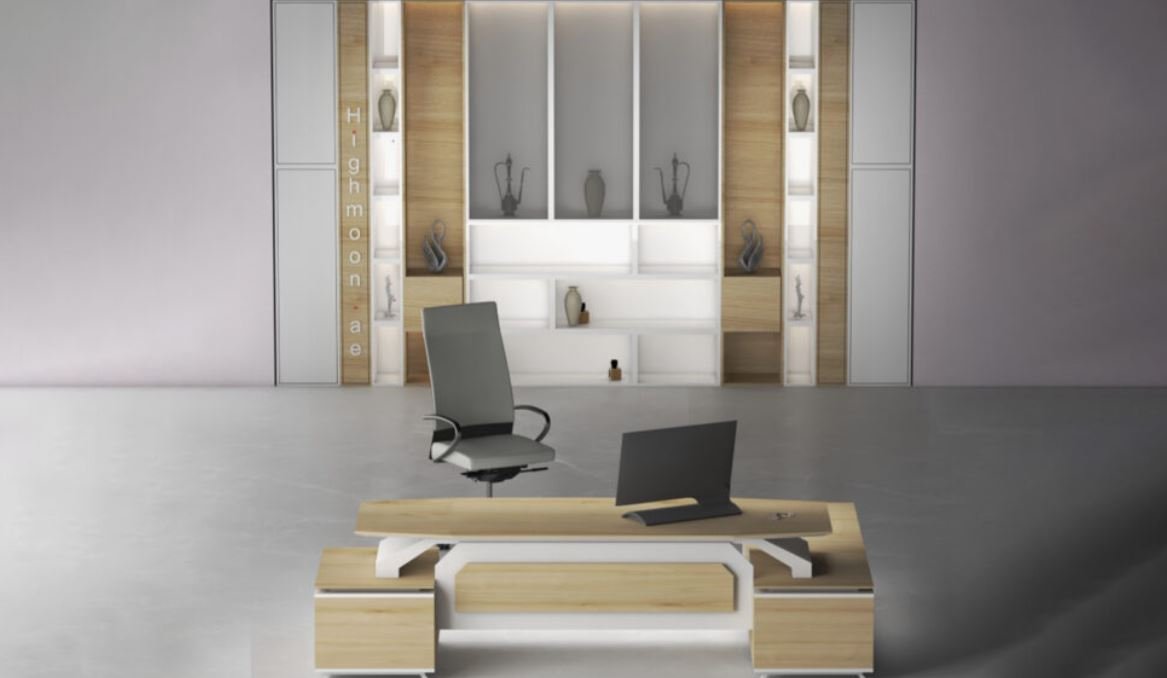
Modern businesses need furniture that supports different activities throughout the day. Employees may require individual desks for focused work, meeting tables for collaboration, and cabinets for storing important documents. Reception areas need comfortable seating, while managers may benefit from executive desks that provide sufficient workspace and storage.
When planning an office, businesses should consider both immediate needs and future growth. Flexible furniture arrangements allow companies to add employees, introduce new equipment, or change room layouts without replacing every item. This approach can also help control long-term office setup costs.
Types of Furniture Every Office Room Should Have
The best furniture selection depends on the purpose of the room. A private office requires a different arrangement from a shared workspace, conference room, or reception area. Understanding the available options helps businesses choose practical pieces that suit their daily operations.
Office Desks and Workstations
Desks are among the most important pieces of office furniture because employees use them throughout the working day. A suitable desk should provide enough room for computers, documents, stationery, and other essential equipment.
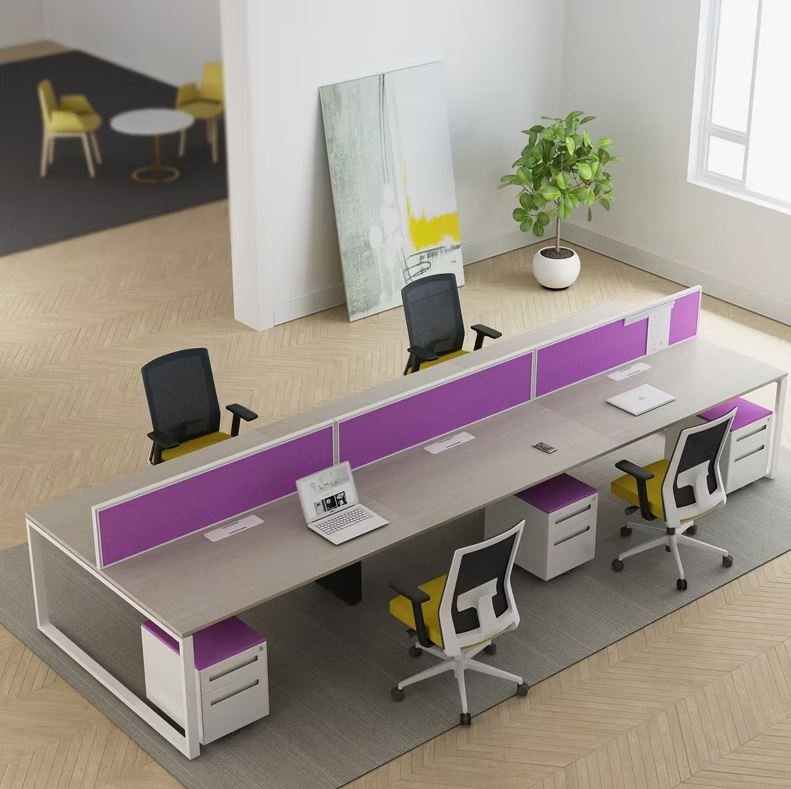
Individual desks work well in private offices, while shared workstations can help businesses make efficient use of larger rooms. Compact desks are suitable for smaller spaces, whereas larger work surfaces may be appropriate for designers, accountants, managers, and employees who regularly handle paperwork.
Before purchasing a desk, measure the available area and consider cable management, legroom, drawer space, and access to power outlets. These details help create a workspace that remains practical after installation.
Ergonomic Office Chairs
Office Room Furniture play an important role in everyday comfort. Employees who spend several hours sitting need chairs that support an appropriate working posture and allow adjustments to suit their needs.
Look for chairs with adjustable seat height, suitable back support, comfortable cushioning, and stable construction. Armrests and adjustable backrests can also improve comfort when properly fitted to the user.
For shared offices, adjustable chairs are especially useful because employees may have different seating preferences and physical requirements. Businesses should evaluate chair quality based on expected daily use rather than appearance alone.
Office Cabinets and Storage Units
An organized office needs a reliable storage system. Cabinets, filing units, shelves, and mobile pedestals help employees keep documents and supplies accessible without allowing clutter to spread across desks.
Lockable cabinets are useful for confidential files and sensitive business records. Open shelves can display frequently used materials, while mobile storage units allow teams to rearrange their work areas when necessary.
Businesses should consider both current storage requirements and future document volume. Choosing suitable storage furniture can improve organization and make routine administrative tasks easier.
Conference Tables and Meeting Room Furniture
Meeting rooms require furniture that supports communication and collaboration. A conference table should provide sufficient space for participants, laptops, documents, and presentation equipment.
Rectangular tables are often suitable for formal boardrooms, while round tables can encourage discussion in smaller meeting spaces. The number of participants, room dimensions, and movement around chairs should guide the final selection.
Comfortable meeting chairs, appropriate lighting, and accessible power connections can further improve the room’s functionality. A balanced arrangement creates a professional setting for client presentations, interviews, and team discussions.
Reception Desks and Visitor Seating
The reception area often creates a visitor’s first impression of a business. A well-designed reception desk helps staff manage inquiries, welcome guests, and maintain an organized entrance.
Visitor chairs should be comfortable, durable, and appropriate for the available space. Businesses that regularly receive clients may also benefit from a small waiting area with a clear walking path and an uncluttered appearance.
Furniture in this area should reflect the company’s professional identity while remaining easy to clean and maintain.
How to Choose Office Room Furniture for Your Space
Choosing furniture becomes easier when businesses follow a structured process. Instead of purchasing items based only on appearance or price, evaluate how each piece will support the room’s intended purpose.
Measure the Room Before Buying
Start by measuring the room’s length, width, doorways, and available wall space. Identify the positions of windows, electrical outlets, air-conditioning units, and other fixed features.
Create a simple floor plan showing where desks, chairs, cabinets, and meeting tables might fit. Remember to leave enough space for people to walk comfortably, pull chairs away from desks, and access storage units.
Accurate measurements reduce the risk of buying furniture that looks suitable in a showroom but does not fit properly in the actual office.
Prioritize Comfort and Functionality
Furniture should support the tasks performed in the room. Employees who use computers throughout the day may need adjustable chairs and desks with adequate working surfaces. Administrative teams may require filing cabinets, while creative professionals might benefit from larger tables.
Consider the user’s comfort, equipment requirements, and storage needs before finalizing a purchase. Practical furniture often delivers more value over time than pieces selected primarily for decorative appeal.
Select Durable Materials
Office furniture is a long-term investment, so material quality deserves careful consideration. Common options include engineered wood, solid wood, metal frames, laminates, and upholstery materials.
Each material has different maintenance requirements, costs, and durability characteristics. Laminated surfaces can be practical for many everyday workstations, while metal frames may provide useful structural strength. Upholstered seating should be selected according to comfort, cleaning requirements, and expected frequency of use.
Ask about construction quality, weight capacity, hardware, warranties, and maintenance recommendations before making a decision.
Match Furniture With Your Office Design
A consistent design helps an office feel professional and organized. Neutral colors, coordinated finishes, and simple furniture shapes can create a clean appearance without overwhelming the room.
However, appearance should not come at the expense of usability. Ensure that desks provide enough workspace, chairs remain comfortable, and storage units are accessible.
A balanced combination of functional furniture, appropriate lighting, and uncluttered surfaces can make a workplace more welcoming for employees and visitors.
Office Furniture Solutions for Manila and Quezon City
Businesses in Manila and Quezon City operate in different types of commercial environments, from compact office suites to large corporate facilities. Their furniture requirements can vary according to available floor space, employee numbers, building layouts, and business activities.
For smaller offices in Manila, space-saving desks, vertical storage cabinets, and compact meeting tables may help maximize the usable area. Furniture with built-in storage can reduce clutter and keep essential supplies within reach.
In Quezon City, growing businesses and larger office teams may need modular workstations, collaborative meeting tables, and coordinated storage systems. These options can help companies create a consistent workplace layout while allowing adjustments as staffing needs change.
Businesses should also consider delivery access, installation requirements, building regulations, and the dimensions of elevators or stairways. Planning these details before ordering furniture can help avoid unnecessary delays and installation problems.
When comparing suppliers, ask for clear product specifications, available finishes, delivery arrangements, warranty information, and quotations based on your actual requirements.
Benefits of Investing in Quality Office Furniture
Quality furniture can support daily operations in several practical ways. Although the benefits depend on product selection and workplace use, the right setup can make a noticeable difference in how efficiently an office functions.
- Improved employee comfort: Suitable chairs and well-planned desks can support more comfortable working positions.
- Better organization: Cabinets, shelves, and storage units help keep documents and supplies in their proper places.
- Efficient use of space: Appropriately sized furniture makes it easier to arrange equipment and maintain clear walkways.
- Professional appearance: Coordinated furniture helps create a consistent and welcoming business environment.
- Long-term value: Durable construction and suitable materials can reduce the need for frequent replacement.
- Flexible workplace planning: Modular desks and movable storage can make future office changes easier.
Businesses should evaluate these benefits alongside the purchase price. A low-cost item may not offer the best value if it requires frequent repairs or fails to meet employees’ needs.
Common Mistakes to Avoid When Buying Office Furniture
Even a well-funded office project can face problems when furniture selection is rushed. Avoiding common mistakes helps businesses make informed decisions and use their budgets more effectively.
Ignoring Room Measurements
Buying oversized desks or cabinets can restrict movement and make a room difficult to use. Always measure the space and consider the dimensions of each item before placing an order.
Choosing Price Over Quality
Budget is important, but the cheapest option may not provide suitable durability or comfort. Compare materials, construction, warranties, and expected usage to understand the overall value.
Overlooking Employee Needs
A visually attractive office may still be uncomfortable if chairs lack adjustment or desks provide insufficient space. Consider employee tasks and practical working requirements before choosing furniture.
Buying Too Much Furniture
Filling every available corner with desks, cabinets, and chairs can make the office feel cramped. Focus on essential items and maintain enough room for movement, collaboration, and access to equipment.
Forgetting Future Expansion
Businesses often change as teams grow or work arrangements evolve. Modular furniture and adaptable layouts can help accommodate these changes without requiring a complete redesign.
How to Maintain Office Furniture for Long-Term Use
Regular maintenance helps keep furniture functional and presentable. Simple care routines can reduce avoidable wear and protect your investment.
Clean desk surfaces and cabinets according to the manufacturer’s instructions. Avoid harsh cleaning products that may damage laminates, finishes, or upholstery. Tighten loose screws and fittings when necessary, and inspect chair wheels, adjustment mechanisms, and other moving parts periodically.
Keep furniture away from unnecessary moisture and address spills promptly. Use protective pads where appropriate to reduce scratches, and avoid placing excessive weight on shelves or drawers.
For busy offices, establish a basic maintenance schedule so that minor issues can be addressed before they affect daily work. Proper care can help furniture remain useful and attractive for longer.
How Office Furniture Express Can Help With Your Office Setup
Selecting furniture for a complete workplace involves more than choosing individual products. Businesses must consider room measurements, employee requirements, storage capacity, visual consistency, and budget limitations.
Office Furniture Express can be included in your furniture selection process when exploring suitable options for a professional workspace. Before finalizing an order, prepare a list of required items, identify the dimensions of each room, and establish a realistic budget.
Business owners, office managers, architects, and procurement teams should compare product specifications and request a detailed quotation that reflects their actual project requirements. For larger installations, it is also helpful to confirm delivery schedules, installation arrangements, product availability, and warranty coverage in advance.
A thoughtful furniture plan can help organizations create a workspace that supports everyday operations while maintaining a professional appearance. The goal is to choose practical pieces that meet present needs and remain suitable as the business develops.
Frequently Asked Questions About Office Room Furniture
What furniture is essential for an office room?
Essential items usually include an office desk, an ergonomic chair, suitable storage, and appropriate lighting. Meeting tables, reception desks, and visitor seating depend on the room’s purpose.
How do I choose furniture for a small office?
Measure the available space, prioritize essential furniture, and consider compact desks, vertical cabinets, and mobile storage. Maintain clear walkways and avoid overcrowding the room.
Which materials are suitable for office furniture?
Engineered wood, laminates, solid wood, and metal are common options. The right choice depends on your budget, preferred appearance, maintenance requirements, and expected daily use.
How can businesses select furniture for employees?
Consider the tasks employees perform, the equipment they use, their storage needs, and the importance of seating adjustments. Test furniture where possible before making bulk purchases.
What should I consider when buying office furniture in Manila?
Evaluate room dimensions, product quality, comfort, delivery access, installation requirements, warranties, and the supplier’s ability to meet your project specifications.
Is modular office furniture a good investment?
Modular furniture can be useful for growing businesses because desks, workstations, and storage arrangements can often be adapted as team sizes or office layouts change.
How can I maintain office furniture?
Clean surfaces with suitable products, inspect fittings regularly, address spills promptly, and follow manufacturer care instructions to help preserve furniture quality.
Conclusion
Creating a functional workplace begins with understanding how each room will be used. From ergonomic chairs and practical desks to storage cabinets and meeting tables, every furniture choice should support comfort, organization, and efficient use of space. Careful measurements, durable materials, thoughtful layouts, and realistic budgeting can help businesses avoid unnecessary expenses while creating a professional environment.
For companies in Manila and Quezon City, selecting the right Office Room Furniture means balancing immediate requirements with long-term business goals. By comparing suitable options and planning each room carefully, organizations can develop workspaces that welcome clients, support employees, and adapt to changing needs. Office Furniture Express can be part of that decision-making process as businesses explore furniture options and plan their next office setup.