Skip to main content
Planning an Office Furniture Project involves much more than choosing desks and chairs. Businesses need to consider floor space, employee requirements, workflow, storage, meeting areas, aesthetics, durability, installation, and long-term maintenance. A well-planned furniture project can help create a workplace that is practical, comfortable, professional, and suited to the organization’s daily operations.
For businesses in Manila and Quezon City, project requirements can vary widely. A startup may need a compact workstation setup, while a corporate office may require executive rooms, conference areas, reception furniture, employee workstations, filing systems, and collaborative spaces. Schools, hospitals, government offices, architects, contractors, and interior designers may also have different specifications and procurement requirements.
When planning a commercial workspace, working with an experienced office furniture provider can make the process easier from initial requirements through delivery and installation. In the Philippines, suppliers commonly provide combinations of desks, chairs, workstations, storage, partitions, conference tables, and customized furniture solutions.
What Is an Office Furniture Project?
An office furniture project is a coordinated process of planning, selecting, customizing, supplying, delivering, and installing furniture for a workplace. Instead of purchasing individual pieces without a broader plan, the furniture is selected according to the office layout, number of users, work functions, available space, budget, and design requirements.
A typical project can include executive desks, staff workstations, ergonomic chairs, conference tables, reception counters, filing cabinets, storage units, office partitions, meeting-room furniture, and collaborative seating.
For larger projects, furniture planning should also consider circulation space, electrical access, cable management, employee movement, accessibility, and future expansion.
This project-based approach is particularly useful when furnishing a newly established office, relocating a business, renovating an existing workplace, or fitting out a large commercial facility.
Why Proper Furniture Planning Matters
Furniture affects how employees move, communicate, collaborate, and perform everyday tasks. Poorly planned furniture can create crowded walkways, inefficient work areas, insufficient storage, and uncomfortable workstations.
A properly planned project begins by understanding how each area of the office will be used.
For example, a corporate office may require separate solutions for:
- Reception and waiting areas
- Executive offices
- Employee workstations
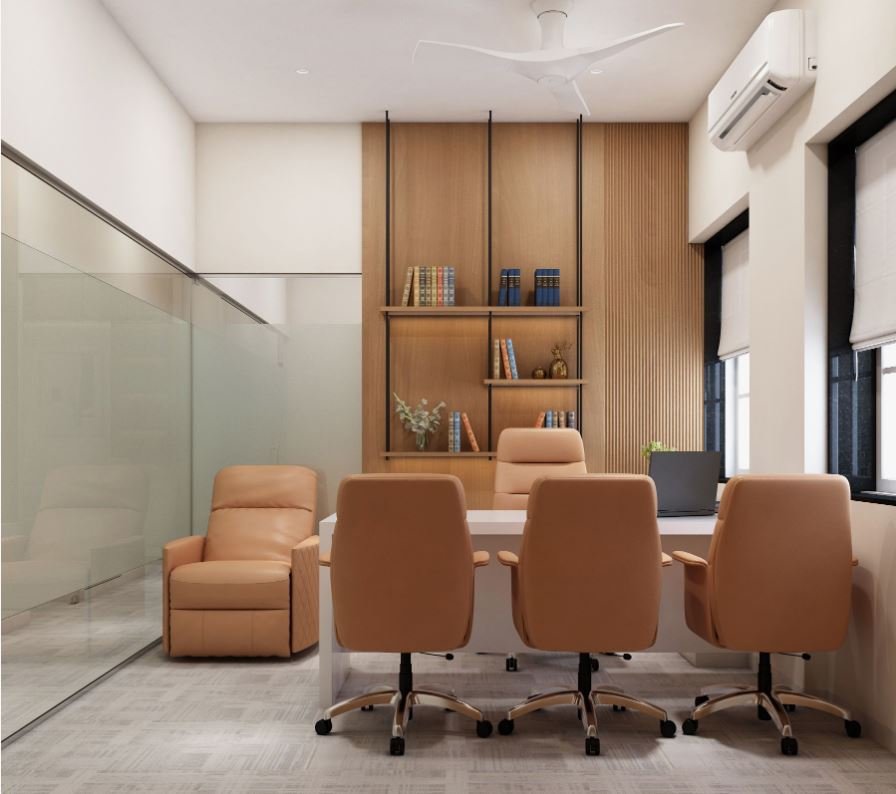
- Meeting rooms
- Conference rooms
- Breakout areas
- Storage areas
- Training rooms
- Administrative departments
The objective is not simply to fill available floor space. The furniture should support the purpose of each area while maintaining a consistent workplace environment.
Key Furniture Categories for a Commercial Office
A complete office furniture project can involve several categories. The exact combination depends on the business and floor plan.
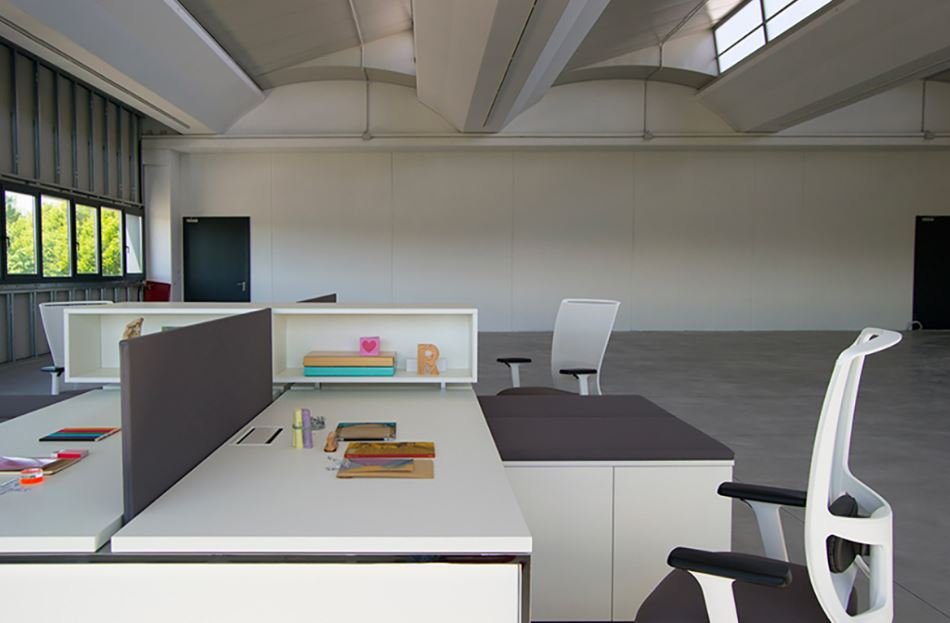
Workstations: Ideal for teams that require dedicated work areas while making efficient use of available space.
Office desks: Suitable for individual employees, managers, and departments with different workspace requirements.
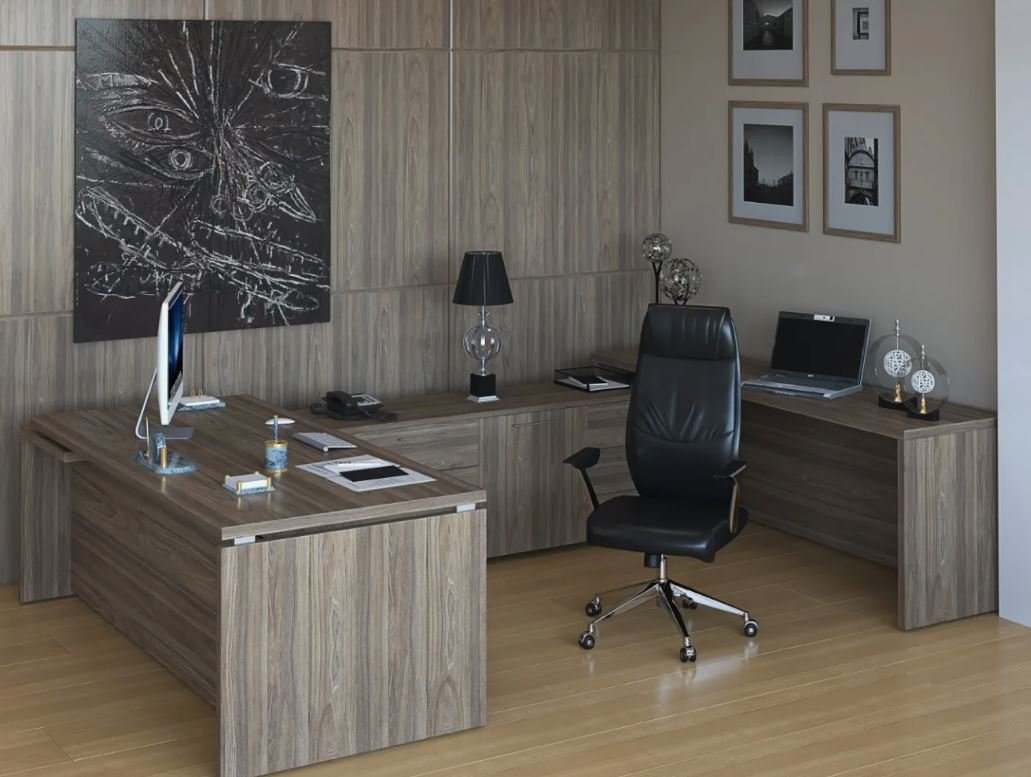
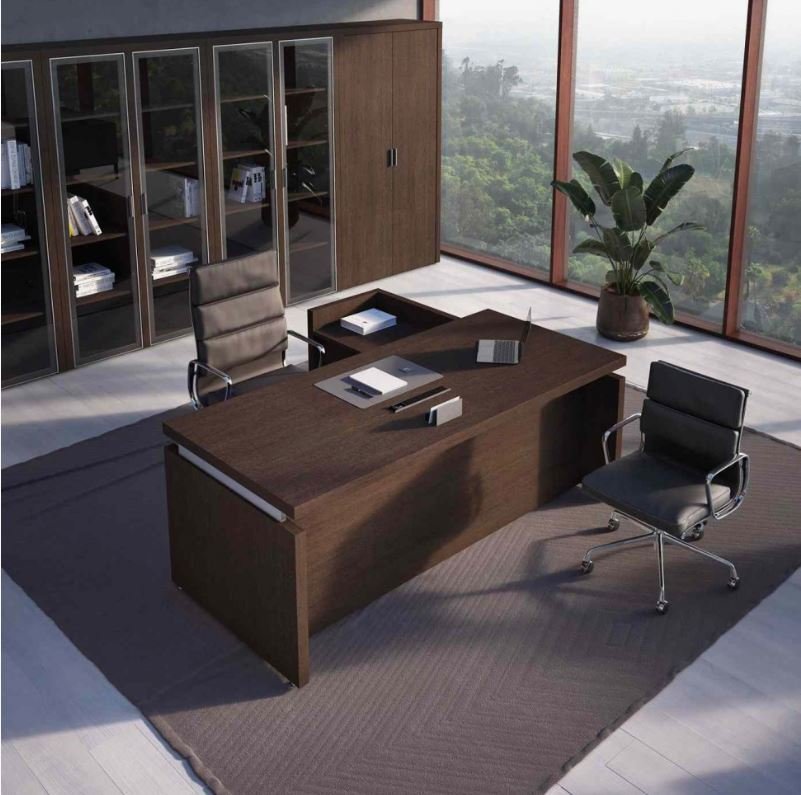
Executive tables: Designed for private offices and management areas where a larger work surface and professional appearance may be required.
Ergonomic office chairs: Adjustable seating can support different users and encourage more comfortable working positions during long workdays.
Conference tables: Important for boardrooms, meeting rooms, client discussions, and team collaboration.
Storage furniture: Filing cabinets, pedestals, shelves, lockers, and other storage solutions help keep documents and workplace materials organized.
Office partitions: Useful for dividing work areas and creating functional zones without necessarily constructing permanent walls.
Philippine office furniture suppliers commonly offer combinations of seating, desks, storage, partitions, and customized solutions for different workplace requirements.
How to Plan an Office Furniture Project
The first step is to determine the purpose and scope of the project. Identify whether the office is being newly established, renovated, expanded, or relocated.
Next, prepare the available measurements and floor plans. Knowing the dimensions of the workplace helps prevent furniture from being selected without considering circulation and usable space.
The number of employees should also be documented. Consider both current staffing and realistic future requirements. If a business expects to add employees, the furniture plan can include flexible workstations or modular solutions.
The next stage is identifying furniture requirements for each department. Different teams may need different desk configurations, storage capacities, meeting areas, or collaborative spaces.
After that, establish a practical budget. Instead of focusing only on the initial purchase price, consider delivery, installation, customization, maintenance, replacement parts, and expected service life.
Finally, review specifications, finishes, dimensions, quantities, delivery requirements, and installation arrangements before approving the order.
Choosing Furniture for Manila and Quezon City Offices
Office furniture requirements can differ between businesses even when they operate in the same city. A compact office in Manila may prioritize space-efficient workstations, while a larger corporate workplace in Quezon City may require department-based furniture planning.
Local project coordination can also matter when delivery and installation need to be scheduled around building access, working hours, elevators, parking restrictions, or fit-out activities.
For this reason, businesses should provide the supplier with as much project information as possible. Floor plans, measurements, furniture schedules, quantities, preferred finishes, and installation requirements can help create a more accurate proposal.
Several Philippine suppliers specifically serve Metro Manila and Quezon City businesses, while some offer delivery and installation across wider areas.
Custom Office Furniture for Specific Requirements
Not every office can use standard-size furniture. Customization may be appropriate when the workspace has unusual dimensions, specific branding requirements, limited floor space, or specialized functional needs.
Custom furniture can include reception counters, executive desks, conference tables, built-in storage, workstation configurations, and other pieces designed around the available space.
For architects and interior designers, customization can also help coordinate furniture dimensions and finishes with the overall interior concept.
A good customization process should involve clear drawings, dimensions, materials, finishes, quantities, and approval stages before production begins. Some Philippine suppliers describe processes involving quotations, design approvals, shop drawings, color selections, production, delivery, and installation.
Office Furniture Project for Startups and Growing Businesses
Startups often need to balance budget, functionality, and future growth. Purchasing too much furniture too early can consume valuable capital and floor space.
A scalable approach can be more practical. Modular workstations, flexible meeting furniture, mobile storage, and adaptable layouts can make it easier to accommodate changes in team size.
For a growing business, furniture should ideally support both today’s requirements and foreseeable expansion. This does not mean buying unnecessary furniture. Instead, the project should identify which elements can be expanded, reconfigured, or added later.
Office Furniture Projects for Corporate and Institutional Offices
Large organizations may require a more structured procurement process. A project can involve multiple departments, large quantities, specific product specifications, installation schedules, and coordination with contractors or interior designers.
Schools, hospitals, government offices, and other institutions may also require furniture to meet documented specifications and project schedules. Suppliers serving these sectors may coordinate supply, delivery, installation, and project documentation as part of the process.
For procurement teams, a clear furniture schedule can simplify comparisons between suppliers. It can include item descriptions, dimensions, materials, quantities, finishes, and required accessories.
Common Mistakes to Avoid
One common mistake is selecting furniture before understanding the floor plan. Attractive furniture may not work efficiently when placed in a poorly planned layout.
Another mistake is focusing only on price. A lower initial price may not represent the best long-term value if the furniture does not meet the required specifications or requires frequent replacement.
Businesses should also avoid ignoring installation requirements. Delivery access, assembly, positioning, and final inspection should be considered before the project begins.
Other mistakes include:
- Ordering incorrect quantities
- Forgetting storage requirements
- Ignoring cable management
- Choosing unsuitable desk dimensions
- Failing to confirm material specifications
- Not checking furniture samples or finishes
- Leaving installation planning until the final stage
- Forgetting future workspace expansion
What Should You Ask an Office Furniture Supplier?
Before selecting a supplier, businesses should ask clear project-related questions.
Can the supplier provide customized furniture? What products are available for workstations, executive offices, conference rooms, reception areas, and storage? Does the supplier provide delivery and installation? Can the team review floor plans or furniture layouts? What are the expected production and delivery timelines? What warranty or after-sales support is available?
For larger projects, it can also be useful to ask whether the supplier has experience handling bulk orders, commercial installations, or projects requiring coordination with architects, designers, contractors, or procurement teams.
How Office Furniture Express Can Support Your Project
For businesses planning an Office Furniture Project in Manila, Quezon City, or surrounding areas, Office Furniture Express can be positioned as a project-focused furniture partner rather than simply a place to purchase individual products.
The project can begin with an understanding of the available space, employee requirements, furniture quantities, preferred designs, and budget. From there, businesses can discuss suitable furniture categories and determine which products should be standard, customized, or configured for particular areas.
For architects, interior designers, procurement teams, and business owners, providing the floor plan, measurements, furniture schedule, or project specifications can help make the quotation process more precise.
If you are preparing a new office, relocation, renovation, or commercial fit-out, requesting a project quotation can be a practical next step. Discussing the requirements early can also help identify furniture quantities, layout considerations, customization needs, delivery arrangements, and installation requirements before the project reaches the ordering stage.
Frequently Asked Questions
What does an office furniture project include?
It can include furniture planning, product selection, customization, quotation, production or sourcing, delivery, installation, and final setup.
How do I start an office furniture project in Manila?
Start with your floor plan, measurements, employee count, required furniture categories, preferred style, project timeline, and budget.
Can office furniture be customized?
Yes. Depending on the supplier, desks, workstations, conference tables, storage units, reception counters, and other furniture may be customized according to dimensions, finishes, and functional requirements.
What furniture is needed for a corporate office?
Common requirements include workstations, ergonomic chairs, executive desks, conference tables, meeting-room furniture, reception furniture, storage, and filing systems.
Should I provide a floor plan to the furniture supplier?
Yes. A floor plan can help the supplier understand available space and recommend suitable furniture dimensions and configurations.
Can office furniture projects include delivery and installation?
Many Philippine office furniture providers offer delivery and installation services, although the scope and terms vary by supplier and project.
Is custom furniture suitable for small offices?
It can be useful when space is limited or when standard furniture dimensions do not fit the available layout.
Final Thoughts
A successful Office Furniture Project starts with planning rather than purchasing. Businesses should consider workspace requirements, employee comfort, available floor area, storage, furniture specifications, future growth, delivery, and installation before making a final decision.
For organizations in Manila and Quezon City, a project-based approach can make it easier to coordinate furniture requirements across different departments and workplace areas. Whether the requirement involves a small startup office, corporate headquarters, school, hospital, government facility, or commercial workspace, the right furniture plan should balance functionality, durability, appearance, and long-term value.
Office Furniture Express can use this planning stage as an opportunity to understand your requirements and develop a furniture solution around the actual workplace rather than simply recommending individual products. For a new office or renovation project, businesses can prepare their floor plan, furniture requirements, quantities, and preferred timeline before requesting a quotation.