Skip to main content
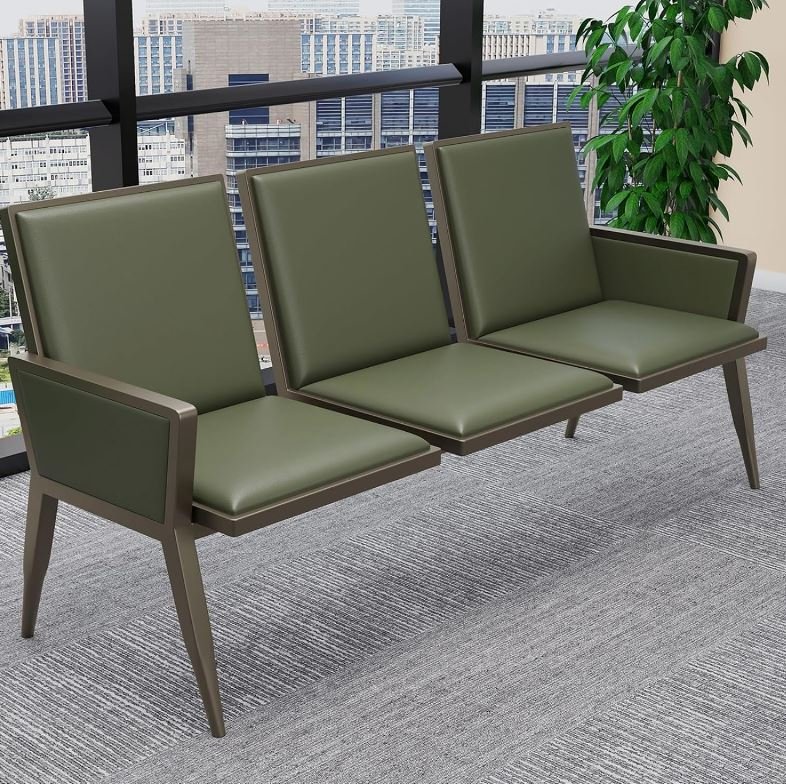
Choosing the right visitor seating can influence how clients, applicants, partners, and employees experience an office from the moment they arrive. Waiting Chair Philippines options are available in many styles, materials, sizes, and price ranges, making it important to consider more than appearance alone. For businesses in Manila and Quezon City, the ideal waiting chair should balance comfort, durability, easy maintenance, space efficiency, and professional design.
Why Waiting Chairs Matter in Philippine Offices
A reception or waiting area is often the first physical point of contact between a company and its visitors. Comfortable seating can make clients feel welcome while helping the reception area maintain a clean and organized appearance. A suitable waiting chair can also support better space planning, particularly in offices where floor area is limited.
Businesses may need waiting chairs for reception areas, clinics, corporate offices, schools, government facilities, banks, coworking spaces, showrooms, and service centers. Each environment has different requirements. A corporate reception area may prioritize a refined appearance, while a busy clinic may need easy-to-clean upholstery and durable construction.
For this reason, office managers and procurement teams should evaluate chairs according to actual usage rather than choosing a model based only on its visual appeal.
Types of Waiting Chairs for Offices
Waiting chairs come in several configurations. Understanding the differences makes it easier to select seating that fits your workplace.
Guest chairs with separate seat and back sections are common in offices because they provide straightforward, practical seating. They can work well around reception desks and meeting areas.
Linked waiting chairs are useful when several visitors need to sit together. Their connected design helps maintain orderly seating and can be particularly practical in clinics, schools, government offices, and customer-service facilities.
Cushioned visitor chairs provide additional comfort for people who may need to wait for longer periods. Foam padding and upholstered surfaces can create a more comfortable experience than rigid seating.
Metal-frame waiting chairs are often selected for environments where durability is important. Depending on their design and finish, they can also provide a clean contemporary appearance.
Stackable chairs are another practical choice for organizations that occasionally need to reorganize their waiting or event spaces. When not in use, multiple chairs can be stored more efficiently.
How to Choose a Waiting Chair Philippines Buyers Can Rely On
The best chair depends on the environment, expected visitor volume, available floor space, and maintenance requirements. Before purchasing, consider several important factors.
Comfort: Visitors may sit for a few minutes or considerably longer. Look for suitable seat depth, supportive backrests, adequate padding, and a practical seat height.
Durability: Reception areas can experience frequent daily use. Strong frames, reliable joints, quality upholstery, and durable finishes can contribute to longer service life.
Space: Measure the waiting area before ordering. Consider both the chair dimensions and the clearance needed for people to move comfortably around them.
Maintenance: High-traffic areas benefit from materials that are straightforward to clean and maintain. This is particularly relevant for healthcare facilities, schools, and customer-facing businesses.
Design: Waiting furniture should complement the wider office interior. Neutral, professional finishes can work across many corporate environments, while distinctive designs may suit creative workplaces and showrooms.
Quantity: Procurement teams should estimate normal and peak visitor volume instead of automatically filling every available space with chairs.
Waiting Chairs for Manila and Quezon City Offices
Office requirements can vary significantly across Manila and Quezon City. Businesses located in commercial buildings may have compact reception areas, while larger corporate offices can have dedicated visitor lounges.
In Manila, space-efficient seating can be valuable for businesses operating in busy commercial environments. A carefully planned reception area can provide enough visitor seating without making the entrance feel crowded.
In Quezon City, offices, educational institutions, healthcare facilities, government establishments, and commercial businesses may require different types of visitor seating. A procurement team should therefore consider the organization’s visitor profile, traffic levels, available space, and interior design before making a purchase.
Local businesses can also benefit from working with an office furniture supplier that understands common workplace requirements in the Philippines. This can make it easier to compare dimensions, materials, configurations, and available options.
Materials Commonly Used for Waiting Chairs
The material affects appearance, comfort, durability, and maintenance.
Fabric upholstery can provide a softer and warmer appearance and is available in numerous textures and finishes. It can be suitable for professional reception spaces where comfort is a priority.
Leather and leather-like upholstery can create a more formal appearance and may be relatively straightforward to wipe clean, depending on the specific material and manufacturer instructions.
Plastic seating can be practical for high-use environments where easy maintenance and lightweight construction are important.
Metal frames are frequently combined with upholstered or molded seats. They can provide structural support while contributing to a modern office appearance.
Wooden elements can add warmth and work particularly well with reception desks and interiors that use natural finishes.
There is no universally perfect material. The right choice depends on expected use, cleaning requirements, budget, and overall office design.
Matching Waiting Chairs With Reception Furniture
Waiting chairs should not look disconnected from the rest of the reception area. Consider the reception desk, flooring, wall finishes, lighting, tables, and other visitor furniture when selecting seating.
For example, a contemporary reception desk may pair naturally with streamlined visitor chairs and simple metal frames. A more traditional reception environment may work better with upholstered seating and warmer finishes.
Small side tables can also make a waiting area more functional. Visitors can use them for documents, personal belongings, or reading material without placing everything on the floor or reception counter.
The goal is to create a cohesive visitor experience rather than purchasing every piece of furniture separately.
How Many Waiting Chairs Does an Office Need?
The appropriate quantity depends on visitor traffic rather than a fixed formula.
Start by estimating the typical number of Waiting Chair Philippines at the same time. Then consider peak periods, appointment schedules, employee interviews, deliveries, and customer-service traffic.
Avoid overcrowding the reception area. Too many chairs can restrict circulation and make a relatively large room feel smaller. At the same time, too few seats can leave visitors standing during busy periods.
A flexible layout can be particularly useful. Organizations that regularly host events or interviews may benefit from stackable or movable seating that can be rearranged when necessary.
Common Mistakes When Buying Waiting Chairs
One common mistake is choosing chairs based entirely on appearance. Attractive furniture may not perform well when subjected to frequent daily use.
Another mistake is ignoring dimensions. A chair that looks compact in a product photograph can occupy considerable space once placed alongside other chairs and tables.
Businesses may also overlook cleaning requirements. Upholstery that requires specialized maintenance may be inconvenient in a high-traffic environment.
Buying too many chairs at once can create unnecessary congestion, while buying too few can result in insufficient visitor seating.
Finally, businesses should avoid treating price as the only purchasing criterion. Comparing construction, materials, warranty information, dimensions, maintenance, and expected usage provides a more useful basis for procurement decisions.
Waiting Chair Buying Checklist for Philippine Businesses
Before placing an order, review these points:
- Measure the available reception area.
- Estimate average and peak visitor traffic.
- Decide whether fixed, movable, stackable, or linked chairs are appropriate.
- Compare seat dimensions and overall chair dimensions.
- Check frame construction and materials.
- Consider upholstery and cleaning requirements.
- Match the design with existing office furniture.
- Confirm quantity requirements.
- Ask about warranty and after-sales support.
- Request a quotation for larger office orders.
- Consider delivery and installation requirements.
- Review the furniture supplier’s available options.
This checklist can help businesses make a more informed purchasing decision and reduce the likelihood of replacing unsuitable seating later.
Creating a More Comfortable Reception Area
Waiting chairs are only one part of a successful reception environment. Lighting, temperature, acoustics, signage, reception-desk placement, circulation, and cleanliness also influence the visitor experience.
Leave sufficient space between seating positions so visitors can sit and move without feeling crowded. Keep the entrance and reception counter visually accessible. Where appropriate, provide small tables and clear directional information.
For offices that receive clients regularly, thoughtful seating arrangements can also contribute to a stronger professional impression.
FAQs About Waiting Chair Philippines
What is a waiting chair?
A waiting chair is designed for visitors who need temporary seating in reception areas, offices, clinics, schools, and other public or commercial spaces.
What should I look for in a waiting chair?
Focus on comfort, durability, dimensions, materials, maintenance, design, and suitability for the expected level of daily use.
Are waiting chairs suitable for small offices?
Yes. Compact and space-efficient designs can work well in smaller reception areas when the layout provides adequate circulation.
How do I choose chairs for a busy reception area?
Prioritize durable construction, easy maintenance, comfortable seating, and a configuration that allows efficient use of the available floor space.
Can waiting chairs match an office interior?
Yes. Waiting chairs are available in different materials, finishes, colors, and styles, allowing businesses to coordinate seating with desks, reception counters, and other furniture.
Should businesses buy waiting chairs in bulk?
For larger offices, schools, clinics, and organizations with multiple locations, bulk purchasing may simplify furniture planning. Requesting a quotation can help compare the overall purchasing requirements.
Choosing Office Seating for Long-Term Value
Good visitor seating should support both the people using the office and the organization managing it. Instead of focusing solely on the initial purchase price, consider expected usage, maintenance, durability, space requirements, and compatibility with the existing workplace.
For businesses comparing Waiting Chair Philippines options, taking these factors into account can make the purchasing process more practical and help create a reception area that feels comfortable, organized, and professional.
If you are planning a new reception area or replacing existing visitor seating, Office Furniture Express can be considered when comparing office furniture options for your workplace. Businesses can evaluate available chair designs, discuss their space and quantity requirements, and request a quotation based on their specific project needs.