Skip to main content
Office spaces in the Philippines are changing as businesses look for environments that support productivity, comfort, collaboration, and a stronger company identity. Furniture Trends Philippines are increasingly shaped by practical workplace needs, flexible layouts, ergonomic design, and modern aesthetics. From startups in Quezon City to established companies in Metro Manila, businesses are choosing furniture that can adapt to different work styles while making offices feel welcoming and professional.
Furniture Trends Philippines Are Shaping Modern Workspaces
The modern Philippine office is no longer limited to rows of desks and traditional executive furniture. Companies are exploring layouts that combine individual workstations, collaborative areas, meeting spaces, reception zones, and comfortable breakout areas. This approach allows employees to move between different environments depending on the task they need to complete.
Office furniture now plays a bigger role in how a workplace functions. A well-planned desk arrangement can improve movement, while ergonomic chairs can support employees during long working hours. Storage systems can reduce clutter, and carefully selected tables can make meeting areas more practical.
For businesses in Manila and Quezon City, these considerations are particularly important because office spaces can vary significantly in size. Smart furniture selection allows companies to make better use of available floor space without making the workplace feel crowded.
Ergonomic Office Furniture Is Becoming a Priority
Employee comfort is one of the strongest influences on current office furniture choices. Businesses are paying greater attention to chairs, desks, monitor positioning, and workstation layouts that support comfortable working conditions.
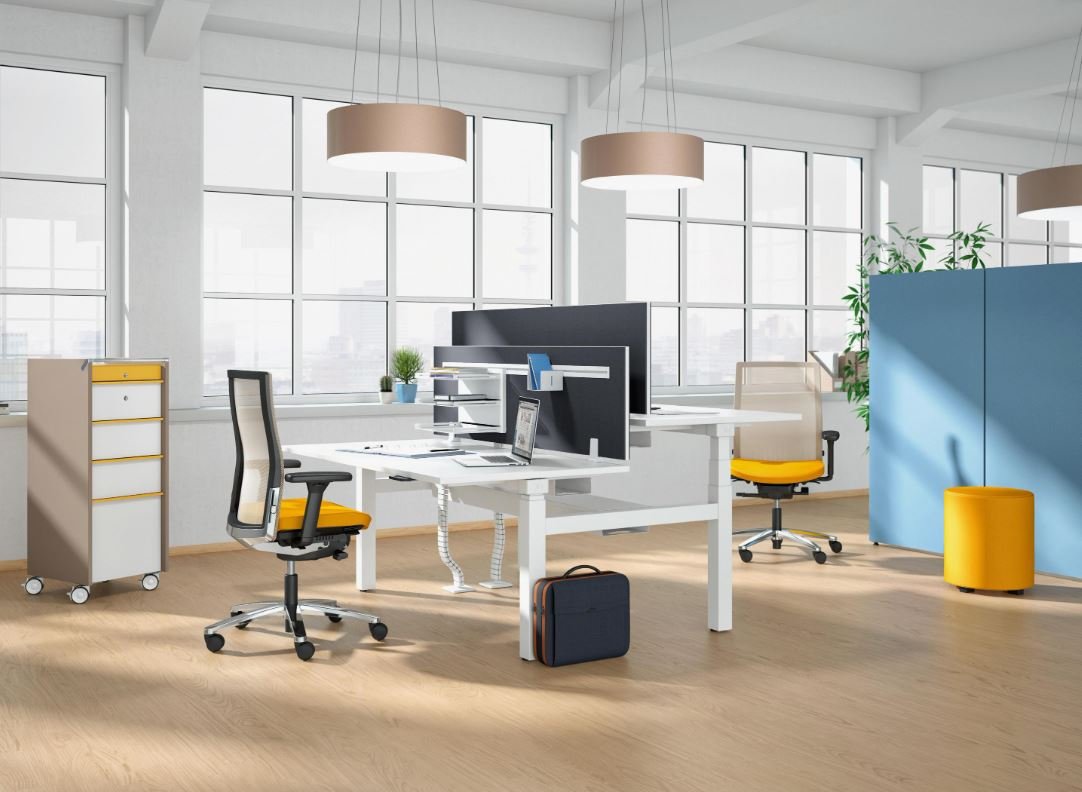
Ergonomic office chairs with adjustable features can help employees find a more suitable sitting position. Height-adjustable desks are also becoming popular because they allow users to alternate between sitting and standing.
Ergonomics should not be viewed as simply purchasing an expensive chair. The entire workstation needs to work together. Desk height, chair adjustment, screen position, keyboard placement, lighting, and available legroom all contribute to a comfortable setup.
For companies planning a new office or upgrading an existing one, ergonomic planning can also demonstrate that employee wellbeing is being considered as part of workplace design.
Flexible Furniture Supports Changing Work Styles
Flexibility has become an important consideration for Philippine businesses. Teams may expand, departments may change, and companies may introduce hybrid or collaborative working arrangements. Furniture that can accommodate these changes provides greater long-term value.
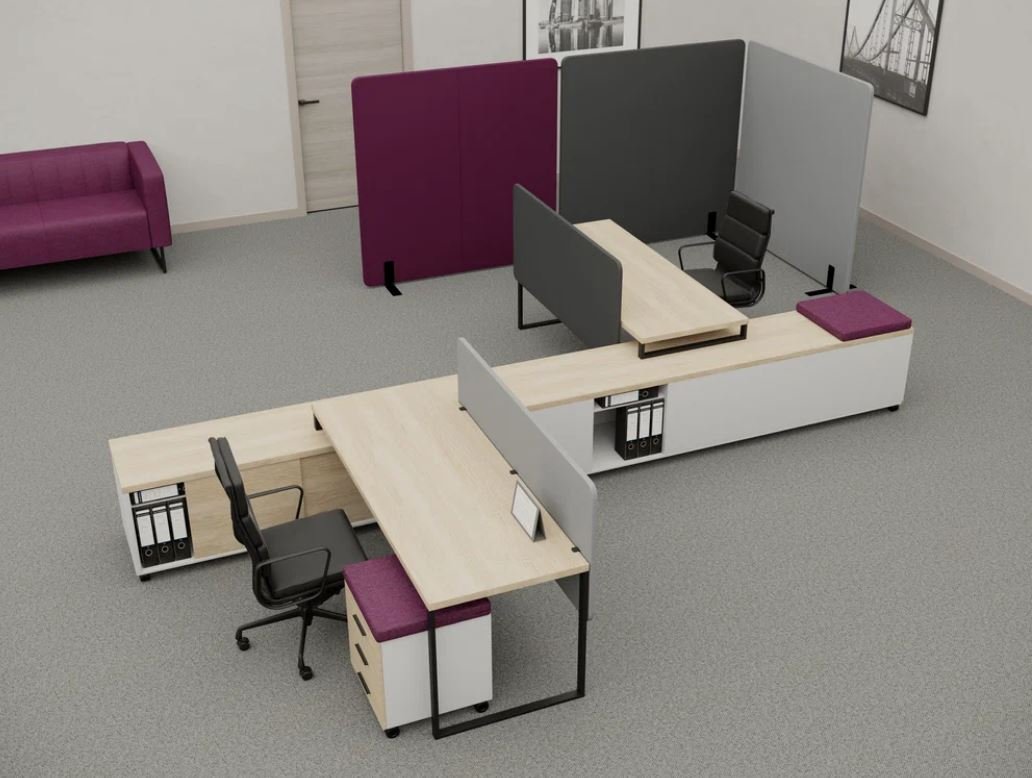
Modular workstations, movable tables, flexible meeting furniture, and reconfigurable office partitions can help businesses adjust their layouts when requirements change. Instead of redesigning an entire office whenever a team grows, companies can often modify selected furniture arrangements.
This is especially useful for startups and growing businesses in Metro Manila. A flexible furniture plan can provide room for future expansion while keeping the current workplace organized.
Collaborative Workspaces Are Gaining Popularity
Many businesses are creating areas where employees can communicate, brainstorm, and work together. Traditional conference rooms still have an important role, but collaboration can happen in smaller and more informal spaces as well.
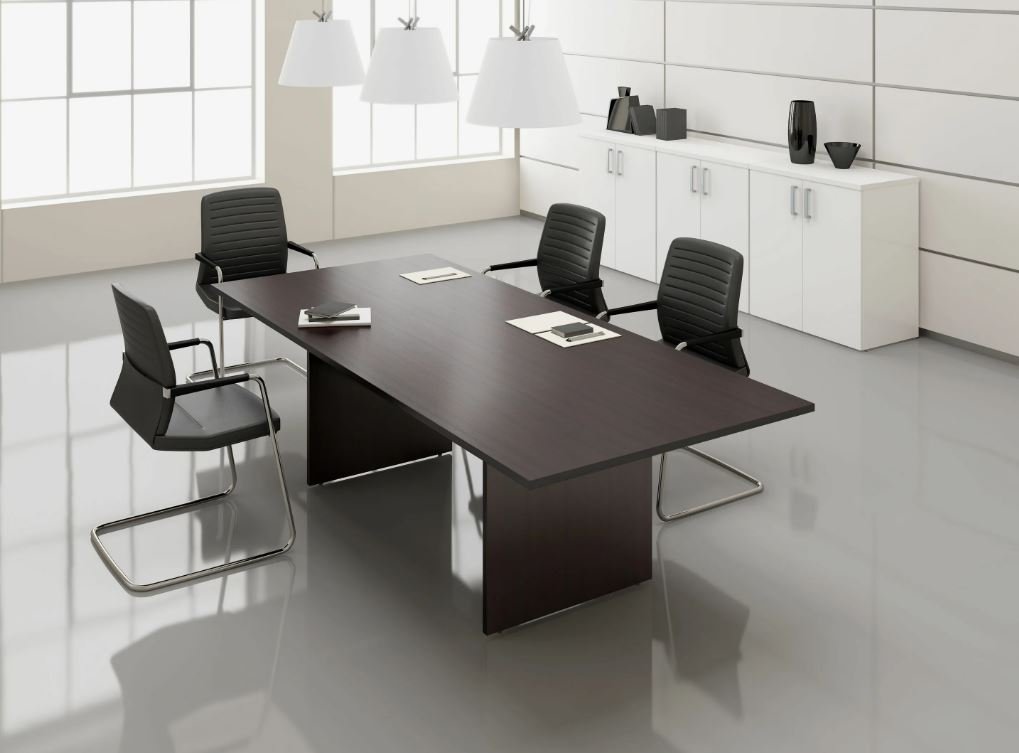
Meeting tables, modular seating, shared worktables, and compact discussion areas can create additional opportunities for teamwork. These spaces can be useful for quick meetings, project discussions, training sessions, and informal conversations.
The goal is not to eliminate private workstations. Instead, modern office planning often combines focused work areas with spaces designed specifically for collaboration.
Minimalist Office Furniture Creates Cleaner Spaces
Minimalist design continues to influence office interiors in the Philippines. Clean lines, practical forms, uncluttered surfaces, and coordinated furniture can create a more organized appearance.
Minimalism does not mean an office has to look empty. The focus is on selecting furniture that serves a clear purpose. Desks with integrated storage, streamlined cabinets, simple meeting tables, and coordinated seating can help create visual consistency.
A cleaner environment can also make smaller offices appear more spacious. This makes minimalist furniture particularly suitable for companies working with limited floor areas in busy urban locations.
Natural Elements Add Warmth to Office Interiors
Office interiors are also incorporating more natural-looking materials and finishes. Wood-inspired surfaces, plants, natural textures, and warm neutral tones can make workplaces feel less formal and more comfortable.
Businesses can introduce these elements through desks, reception counters, storage furniture, tables, partitions, and decorative features. The objective is to create a professional environment without making it feel overly rigid.
For client-facing businesses, this approach can be particularly useful because reception and meeting areas often influence a visitor’s first impression of the company.
Space-Saving Furniture Works Well in Manila Offices
Limited Furniture Trends Philippines is a common consideration for businesses operating in dense commercial areas. Furniture selection can make a major difference in how effectively an office uses its available floor area.
Compact desks, benching systems, vertical storage, mobile pedestals, and multifunctional tables can help maximize usable space. Instead of filling a room with oversized furniture, businesses can select appropriately scaled pieces that maintain comfortable circulation.
Space planning should happen before furniture purchasing. Measuring the office, identifying traffic routes, determining workstation requirements, and allocating meeting and storage areas can prevent costly mistakes.
Modern Reception Furniture Strengthens First Impressions
Reception areas deserve particular attention because they are often the first physical part of an office that clients and visitors experience.
A reception desk should provide sufficient working space while complementing the company’s overall visual identity. Comfortable visitor chairs, appropriate storage, lighting, and clear circulation can complete the area.
Modern reception furniture can combine functionality with a professional appearance. Businesses can choose designs that reflect their brand without making the reception area excessively decorative.
Office Storage Is Becoming More Organized
Storage remains essential even as offices become more digital. Documents, equipment, supplies, personal belongings, and operational materials still require designated spaces.
Modern office storage solutions include filing cabinets, mobile pedestals, modular cabinets, shelving systems, and integrated storage units. The right combination can help employees keep frequently used materials accessible while reducing unnecessary clutter.
Storage should also be planned according to workflow. Frequently accessed items should be easy to reach, while less frequently used materials can be stored in dedicated areas.
Sustainable Furniture Choices Are Receiving More Attention
Sustainability is another consideration influencing furniture decisions. Businesses are becoming more conscious of product durability, material selection, maintenance requirements, and the long-term value of furniture.
Durable furniture can reduce the need for frequent replacement. Companies can also consider products made with responsibly selected materials or furniture that can be repaired, reconfigured, or reused when office requirements change.
Sustainable purchasing does not necessarily mean choosing the most expensive option. It means considering the complete lifecycle of a product rather than focusing only on its initial purchase price.
Technology-Friendly Workstations Are Essential
Modern offices depend heavily on technology, so furniture needs to accommodate computers, monitors, charging equipment, cables, and other devices.
Desks with cable-management features can help keep workstations organized. Meeting tables may also require access to power and connectivity for presentations and video conferences.
When selecting office furniture, businesses should consider current technology requirements as well as potential future needs. A workstation that looks attractive but cannot comfortably accommodate essential equipment may quickly become impractical.
Choosing Furniture for Different Office Areas
Different areas of an office require different furniture solutions. Workstations need to support focused tasks, while meeting rooms require tables and chairs suitable for group discussions. Reception areas need visitor-friendly seating and an appropriate reception counter.
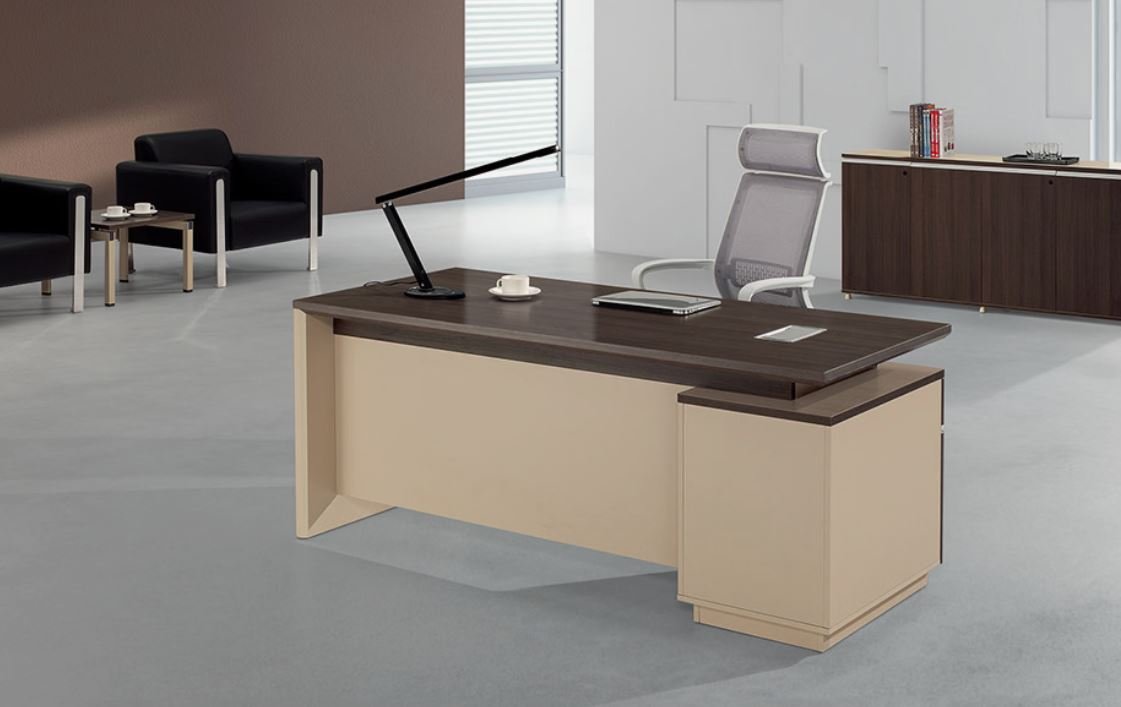
Executive offices may require larger desks and additional storage, while employee work areas may benefit from modular workstation systems. Training rooms often require furniture that can be rearranged according to class size or activity.
This is why buying individual furniture pieces without considering the complete office layout can create inconsistencies. A coordinated furniture plan generally produces a more functional workplace.
How Businesses Can Choose the Right Office Furniture
Before purchasing furniture, businesses should identify their actual requirements. Start by measuring the available space and determining how many employees will use it. Then consider the activities performed in each area.
Budget should also be evaluated alongside durability and expected usage. The cheapest furniture may not always provide the best long-term value if it requires frequent replacement.
Businesses should also consider ergonomics, maintenance, storage, flexibility, appearance, and future expansion. Comparing these factors makes it easier to select furniture that supports both daily operations and long-term business needs.
Working with an experienced office furniture provider can simplify this process. Office Furniture Express can be considered when businesses are evaluating furniture solutions for professional work environments and looking for options that balance practical requirements with modern office design.
Furniture Trends Philippines and the Future of Office Design
The future of office furniture in the Philippines is likely to remain focused on flexibility, comfort, functionality, technology, and efficient use of space. Businesses are increasingly looking beyond appearance and considering how furniture affects everyday workplace experiences.
For companies in Manila and Quezon City, the best furniture strategy is not necessarily about following every design trend. Instead, businesses should identify trends that genuinely improve their workplace.
A successful office combines practical furniture with thoughtful space planning. Ergonomic workstations, collaborative areas, efficient storage, flexible layouts, and professional reception spaces can work together to create an office that supports employees and makes a positive impression on visitors.
Frequently Asked Questions
What are the current furniture trends in the Philippines?
Popular trends include ergonomic furniture, flexible workstations, minimalist designs, collaborative areas, space-saving solutions, technology-friendly desks, and natural-looking finishes.
What office furniture is best for small offices?
Compact workstations, modular desks, mobile storage, vertical cabinets, and multifunctional tables can help small offices use limited floor space more effectively.
Is ergonomic office furniture worth the investment?
Yes. Ergonomic furniture can provide greater adjustability and comfort for employees who spend long periods working at desks, making it an important consideration when planning an office.
How can businesses make an office look more modern?
Businesses can create a modern appearance through coordinated furniture, clean lines, practical layouts, contemporary reception furniture, appropriate lighting, and uncluttered work areas.
What should businesses consider before buying office furniture?
Consider available space, employee requirements, furniture dimensions, ergonomics, durability, storage, technology needs, maintenance, budget, and future expansion.
Where can businesses find office furniture in Manila and Quezon City?
Businesses can compare office furniture suppliers based on product range, customization options, quality, pricing, installation services, location, and after-sales support before making a purchase.
Final Thoughts
The most useful Furniture Trends Philippines are those that improve the way people actually work. Ergonomic seating, flexible layouts, efficient storage, collaborative furniture, space-saving designs, and technology-ready workstations can create offices that are both attractive and practical.
For businesses planning a new office, renovation, or expansion in Manila or Quezon City, furniture should be selected as part of an overall workplace strategy rather than as individual products. A thoughtful approach can improve space utilization, employee comfort, organization, and the professional image of the business.