Skip to main content
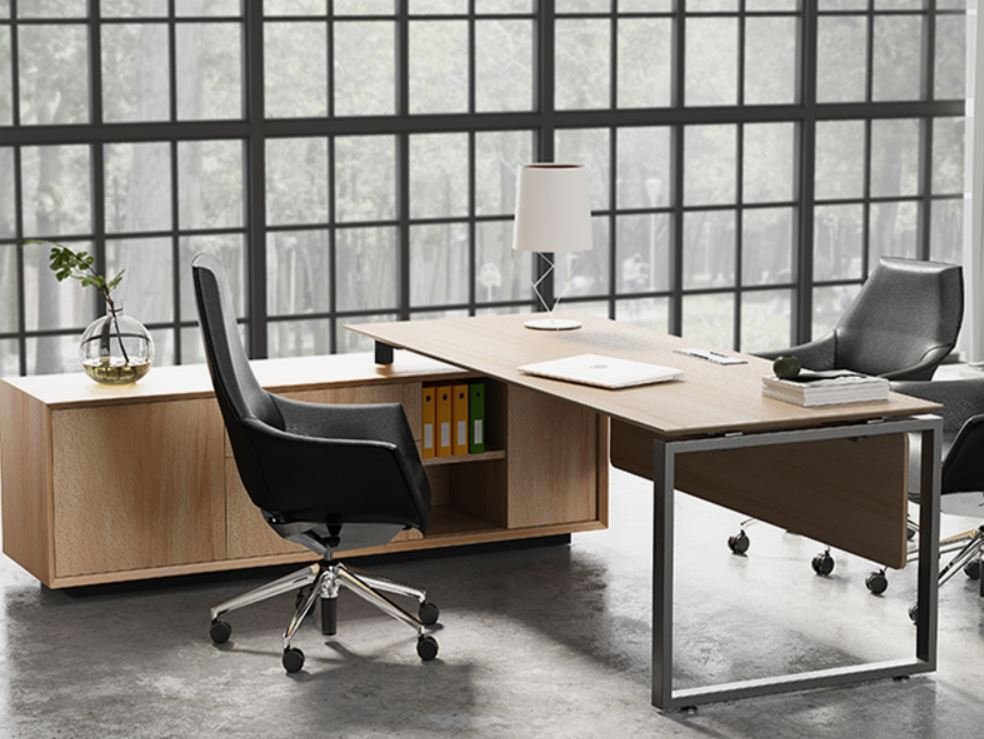
Modern workplaces in today’s competitive environment demand more than just desks and computers; they require environments that support productivity, comfort, and employee wellbeing. Businesses are increasingly focusing on ergonomic arrangements that reduce fatigue and improve focus throughout long working hours. One of the most important aspects of this transformation is seating design, as employees spend most of their day seated while performing tasks.
In this evolving workspace culture, Office seating solutions play a crucial role in shaping how employees perform, interact, and feel throughout the day. A well-designed seating arrangement not only enhances physical comfort but also contributes to mental clarity and workplace efficiency. When companies invest in quality seating systems, they indirectly invest in productivity and employee satisfaction, which leads to better overall business performance.
Importance Of Ergonomic Seating In Professional Environments
Ergonomic seating has become a necessity rather than a luxury in modern offices. Poor seating posture can lead to back pain, neck strain, and long-term health issues, which ultimately reduce efficiency and increase absenteeism. Businesses that prioritize ergonomic designs ensure that their employees maintain proper posture and remain comfortable during extended working hours.
High-quality seating systems are designed to support the natural curve of the spine, promote proper blood circulation, and reduce pressure on joints. This creates a healthier work environment where employees can focus more on their tasks rather than discomfort. Moreover, adjustable features such as height control, lumbar support, and armrest positioning make a significant difference in user experience.
Organizations that invest in ergonomic workplace setups also benefit from improved employee retention, as workers tend to stay longer in environments that prioritize their comfort and wellbeing.
Office Seating Solutions For Enhanced Productivity
The demand for modern furniture designs has grown significantly as companies aim to create more dynamic and flexible workspaces. Office seating solutions are no longer limited to basic chairs; they now include executive chairs, task chairs, visitor seating, collaborative seating, and lounge-style arrangements designed for different work environments.
Each seating type serves a specific purpose. Task chairs are ideal for daily desk work, providing mobility and support, while executive chairs offer premium comfort for leadership roles. Visitor seating ensures a professional impression for clients and guests, while collaborative seating supports teamwork and brainstorming sessions.
When selecting seating options, businesses must consider durability, adjustability, material quality, and design aesthetics. A well-planned seating strategy enhances workflow efficiency and creates a visually appealing office environment that reflects the company’s professionalism and culture.
Designing Workspaces With Comfort And Functionality
Modern office design is not just about appearance; it is about functionality and user experience. Companies are now focusing on creating flexible layouts that encourage movement, collaboration, and comfort. Seating arrangements are a central part of this design philosophy.
A balanced workspace includes a combination of individual seating zones and collaborative areas. This allows employees to switch between focused work and group discussions easily. Proper spacing, lighting, and ergonomic furniture placement further enhance the overall work environment.
In addition, businesses are also incorporating modular seating systems that can be rearranged based on project requirements. This flexibility ensures that office layouts remain efficient and adaptable to changing needs without requiring major structural changes.
Material Quality And Long-Term Investment Value
When choosing office furniture, material quality plays a crucial role in determining durability and long-term value. High-grade materials such as mesh, leather, and reinforced plastics ensure that seating products last longer and maintain their comfort level over time.
Mesh chairs are particularly popular due to their breathability, making them suitable for long working hours. Leather seating adds a premium look to executive spaces, while fabric-based options offer versatility and comfort. Strong metal or reinforced bases ensure stability and safety, even with daily use.
Investing in high-quality seating systems reduces maintenance costs and replacement frequency, making it a cost-effective solution for businesses in the long run. Companies that focus on durability also ensure consistent employee comfort without frequent disruptions.
Workplace Aesthetics And Employee Experience
The visual appeal of an office significantly impacts employee motivation and client perception. A well-designed workspace creates a positive impression and reflects the professionalism of the organization. Seating plays a major role in defining this aesthetic, as it is one of the most visible elements of any office environment.
Color coordination, design consistency, and layout planning all contribute to a cohesive workspace appearance. Modern seating designs are available in various styles and finishes, allowing businesses to match them with their branding and interior themes. This creates a unified look that enhances the overall atmosphere of the workplace.
Employee experience is also influenced by how comfortable and visually pleasing the environment is. A thoughtfully designed office encourages creativity, reduces stress, and improves overall job satisfaction.
Future Trends In Office Seating Design
The future of workplace seating is moving towards smart, sustainable, and flexible solutions. Companies are increasingly adopting eco-friendly materials and ergonomic innovations that support both productivity and environmental responsibility.
Adjustable smart chairs with posture sensors and customizable settings are becoming more common in modern offices. These innovations help users maintain correct posture and avoid long-term health issues. Sustainability is also a major trend, with manufacturers focusing on recyclable materials and environmentally conscious production methods.
Hybrid work models have further influenced seating designs, as employees now require furniture that supports both office and remote work setups. This has led to the rise of lightweight, adaptable, and multi-purpose seating solutions that can be easily integrated into different environments.
Conclusion
Creating a productive and comfortable workspace requires careful planning and the right furniture choices. High-quality seating plays a vital role in improving employee wellbeing, enhancing efficiency, and supporting modern workplace demands. Businesses that invest in well-designed seating systems benefit from improved performance and long-term cost savings.
In today’s competitive environment, companies that prioritize ergonomic comfort and functional design stand out from the rest. Choosing reliable seating options from Office furniture express ensures a professional, comfortable, and future-ready workspace that supports both employees and organizational growth.