Skip to main content
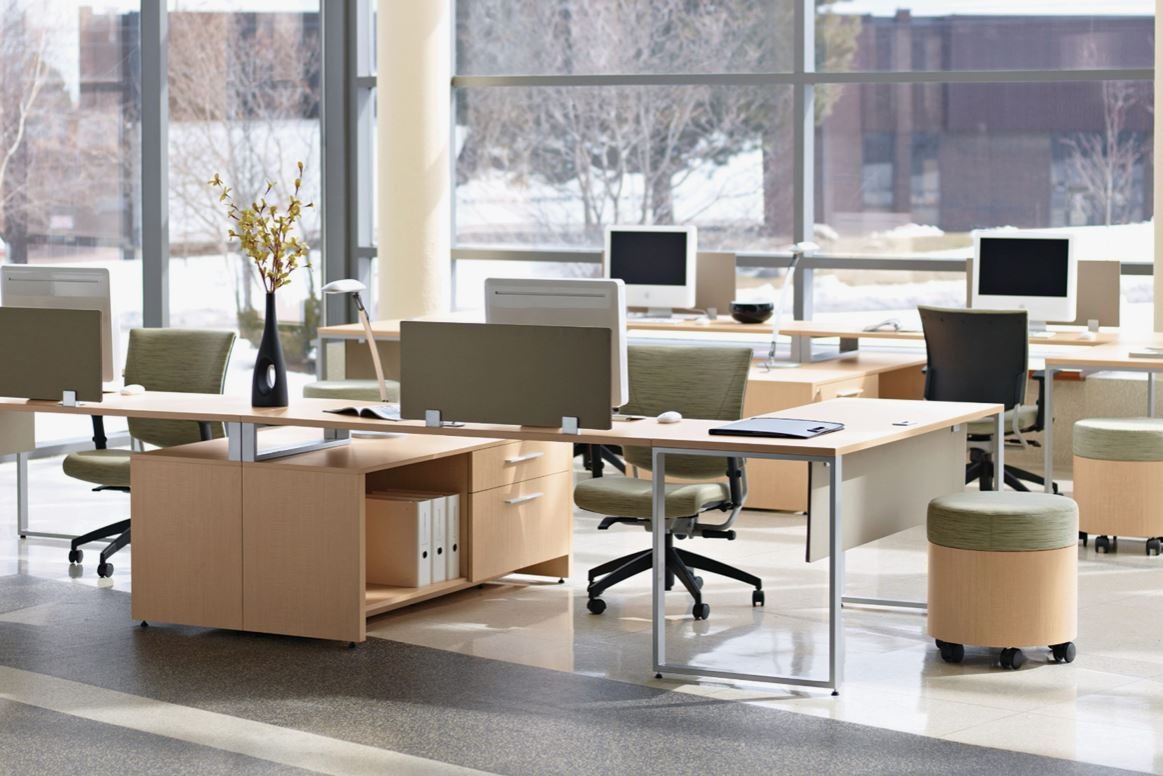
A well-planned office furniture layout plays a critical role in shaping productivity, employee comfort, and overall workplace efficiency. In modern work environments, businesses are no longer focusing only on furniture appearance; instead, they are prioritizing functionality, movement flow, and space optimization. A strategic office furniture layout ensures that every desk, chair, storage unit, and meeting area is placed in a way that supports daily operations without causing clutter or discomfort. When the layout is designed properly, employees can move freely, collaborate easily, and maintain better focus throughout the day. Poor planning, on the other hand, can lead to distractions, wasted space, and reduced efficiency. That is why organizations now invest time in understanding how layout design influences workflow, communication, and productivity. A thoughtful approach to arranging office interiors also reflects professionalism and creates a positive impression on clients and visitors. Ultimately, the foundation of any successful workplace begins with a smart and functional furniture arrangement strategy.
Key Principles For Effective Office Furniture Layout
Creating an effective office furniture layout requires understanding a few essential principles that ensure balance between comfort and productivity. First is space utilization, where every corner of the office is used wisely without overcrowding the environment. Second is ergonomics, which focuses on placing furniture in a way that supports healthy posture and reduces physical strain for employees. Third is accessibility, ensuring that movement pathways remain clear and communication between teams is smooth. Lighting and ventilation also play an important role, as furniture should be arranged to maximize natural light and airflow. Another key principle is flexibility, allowing the workspace to adapt as the business grows or team structures change. A modern office furniture layout must also support technology integration, ensuring easy access to power outlets, cables, and digital devices. When these principles are followed together, they create a workspace that is not only visually appealing but also highly functional and efficient for long-term use.
Common Office Furniture Layout Types
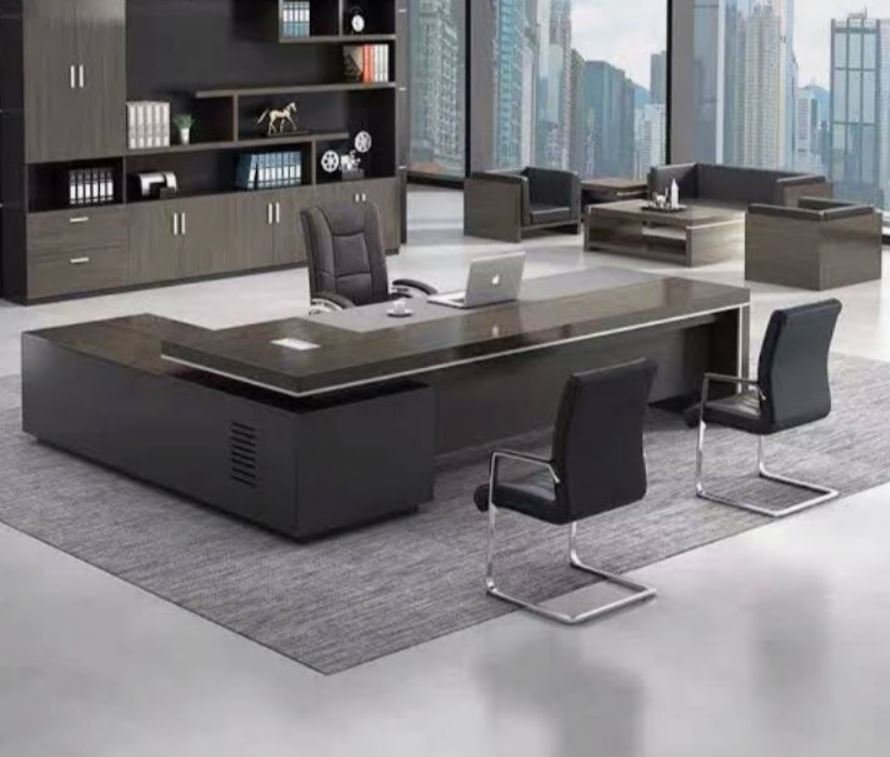
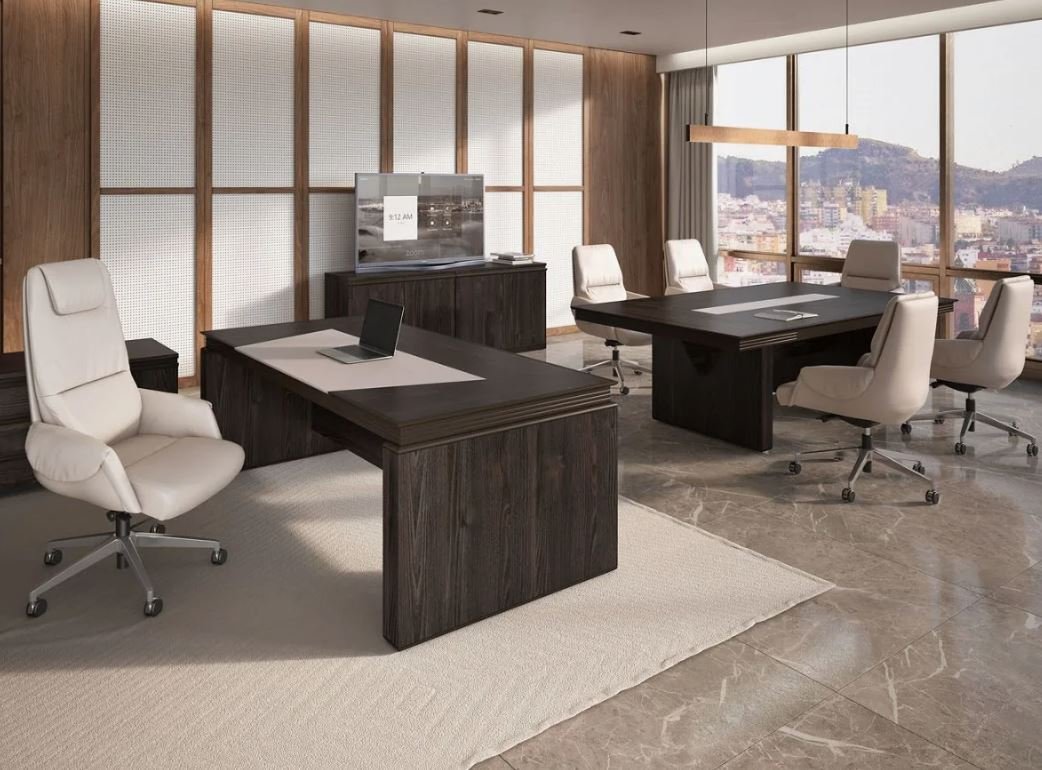
Different businesses require different approaches to office furniture layout, depending on their size, work style, and industry needs. One of the most common layouts is the open-plan design, where employees work in shared spaces without heavy partitions. This layout encourages collaboration and communication but still requires thoughtful arrangement to avoid noise distractions. Another popular option is the cubicle-based layout, which provides semi-private workstations that help employees focus while maintaining accessibility. There is also the executive layout, typically used in managerial or client-facing offices, where furniture is arranged to reflect authority and professionalism. The modular layout is gaining popularity as well, allowing flexible furniture arrangements that can be easily changed based on team size or project requirements. In each of these styles, the office furniture layout must be carefully planned to ensure efficiency and comfort. Choosing the right layout depends on workflow needs, company culture, and the level of interaction required between employees throughout the day.
How Stores Influence Office Furniture Layout Choices
Furniture availability and design options from different stores play a major role in shaping office furniture layout decisions. When businesses explore different furniture stores, they gain access to a variety of designs, sizes, and configurations that directly impact how an office space can be arranged. High-quality stores provide modular and space-saving furniture that allows greater flexibility in layout planning. On the other hand, limited options can restrict creativity and force inefficient arrangements. It is also important to choose stores that understand workplace functionality, not just aesthetics, so the furniture supports practical use. Many organizations prefer exploring multiple stores to compare durability, pricing, and design compatibility before finalizing their layout. Additionally, selecting from reliable sources ensures consistency in style and quality across the workspace. The right selection from trusted stores not only improves the office furniture layout but also enhances long-term usability, making the office more adaptable and efficient for future expansion and redesign needs.
Optimizing Productivity With Smart Layout Planning
A well-structured office furniture layout directly influences employee productivity and workplace satisfaction. When furniture is arranged thoughtfully, it reduces unnecessary movement, improves communication, and creates a more organized environment. For example, placing frequently used items within easy reach minimizes interruptions during work. Similarly, separating collaborative zones from focused work areas helps maintain balance between teamwork and concentration. A smart layout also considers traffic flow, ensuring that employees can move without congestion or distractions. Another important aspect is zoning, where different sections of the office are designated for specific activities such as meetings, individual work, or relaxation. Incorporating natural elements and ensuring proper spacing between furniture pieces can further enhance mental well-being and reduce stress levels. A successful office furniture layout is not just about filling space but about creating a system that supports efficiency, creativity, and comfort simultaneously. When businesses invest in thoughtful planning, they naturally experience improved performance and employee engagement.
Conclusion
Designing an effective office furniture layout is essential for creating a productive, comfortable, and professional workspace. Every element, from desk placement to storage arrangement, contributes to how smoothly daily operations run. A well-planned layout supports collaboration, reduces clutter, and enhances overall efficiency while maintaining employee well-being. By considering key principles such as ergonomics, flexibility, and accessibility, businesses can build environments that adapt to changing needs. Careful selection from reliable stores also ensures better quality and design consistency, helping improve long-term functionality. Ultimately, a smart office furniture layout is an investment in both productivity and workplace satisfaction. Brands like Office furniture express play an important role in providing practical solutions that help businesses achieve well-structured and efficient office environments.