Skip to main content
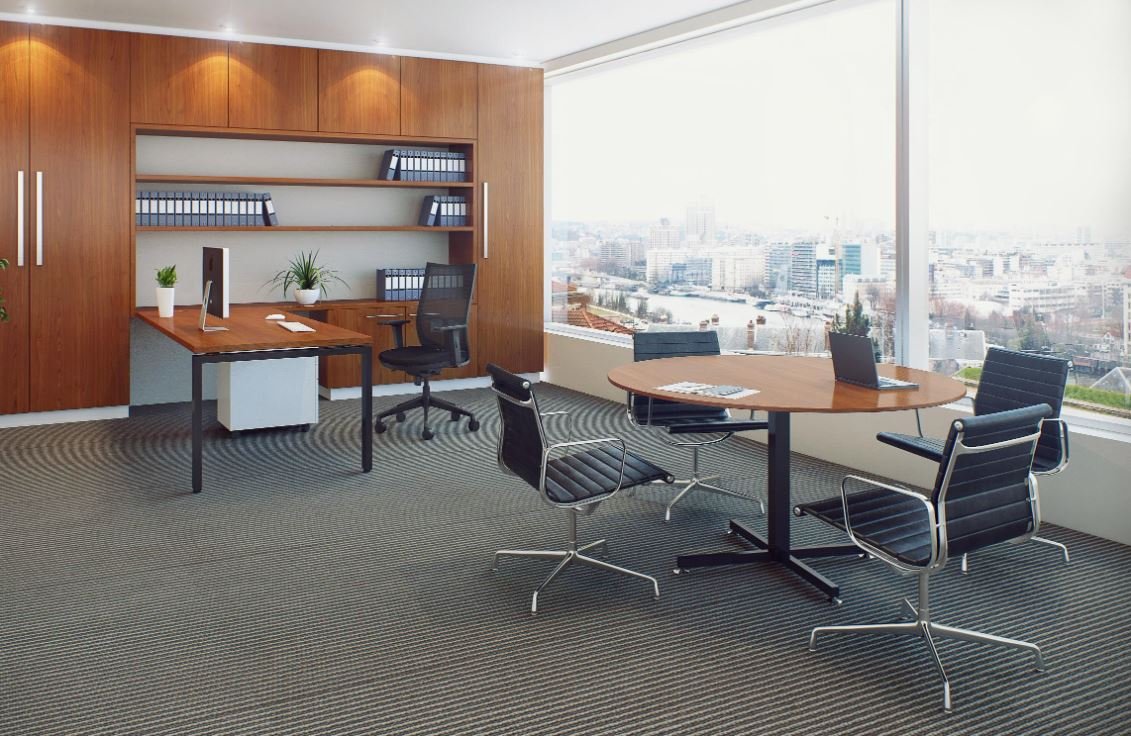
The concept of office furniture in 2026 is evolving rapidly as workplaces continue to adapt to hybrid work models, digital transformation, and employee comfort demands. Modern businesses are no longer focused only on filling office spaces with basic desks and chairs; instead, they are prioritizing intelligent design, ergonomic comfort, and flexible layouts that enhance productivity. In today’s competitive environment, office furniture is directly linked with employee performance, well-being, and overall organizational efficiency. Companies are investing in solutions that support long working hours while reducing physical strain, which makes furniture selection more strategic than ever before.
As we move deeper into 2026, office environments are becoming more personalized and technology-driven. Furniture is now integrated with smart features such as height adjustment systems, cable management solutions, and even IoT-enabled desks that track posture and usage. This shift shows how office furniture in 2026 is not just about aesthetics but about functionality and long-term workplace health improvements.
Key Trends In Office Furniture In 2026
One of the most significant developments in office furniture in 2026 is the rise of flexible and modular designs. Businesses are increasingly choosing furniture that can be easily rearranged to suit different working styles, team sizes, and office layouts. This adaptability is essential in modern workplaces where hybrid working is becoming standard practice.
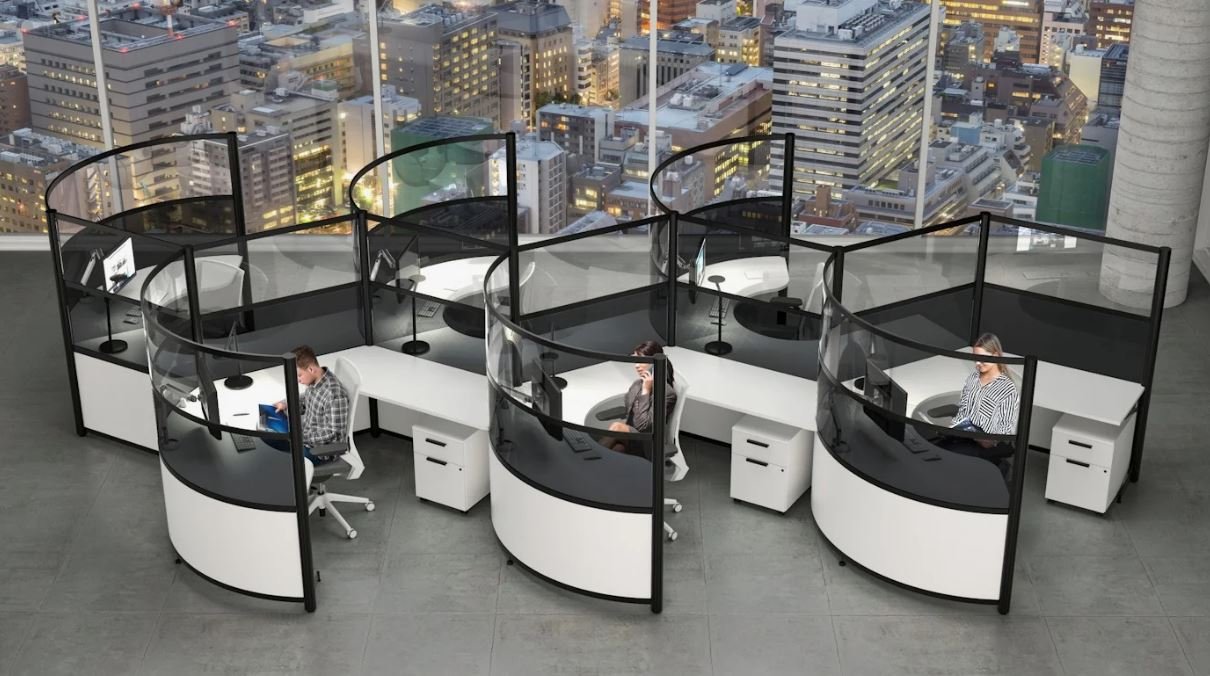
Another important trend is minimalism combined with smart utility. Clean designs with hidden storage, integrated charging ports, and multi-functional desks are becoming highly popular. Companies are also focusing on space optimization, especially in urban offices where every square foot matters. This means furniture is being designed to maximize usability without overcrowding the workspace.
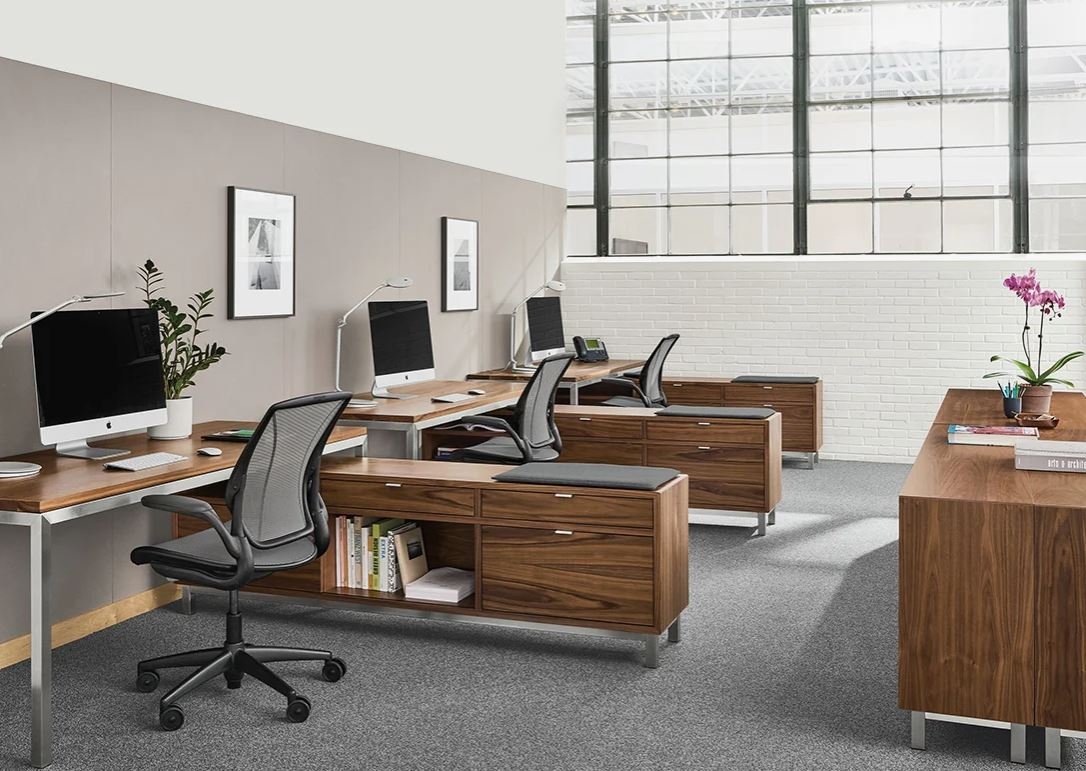
Color psychology is also influencing furniture choices. Neutral tones with natural wood finishes are being preferred because they create a calm and focused working environment. These trends highlight how office furniture in 2026 is being shaped by both psychological and practical workplace needs.
Smart And Ergonomic Designs For Modern Workspaces
Ergonomics is at the heart of modern office planning. In 2026, businesses are prioritizing employee health by investing in chairs, desks, and accessories that support posture and reduce fatigue. Adjustable chairs with lumbar support, sit-stand desks, and monitor risers are now standard in many workplaces.
Smart office furniture is also becoming a major innovation area. Desks that automatically adjust height based on user preference, chairs that track sitting posture, and workstations with built-in digital controls are transforming office environments. These innovations ensure that office furniture in 2026 supports both comfort and productivity simultaneously.
The integration of technology with furniture design is helping companies create healthier work environments. Employees can now personalize their workspace settings, which leads to improved focus and reduced physical strain during long working hours.
Sustainable Materials And Eco Friendly Offices
Sustainability has become a core requirement in modern office design. Businesses are increasingly aware of their environmental responsibility, which is influencing their furniture choices. Recycled wood, bamboo, and eco-friendly metals are being widely used in manufacturing office furniture.
In addition, many organizations are selecting furniture that is durable and long-lasting to reduce waste. This approach not only benefits the environment but also reduces long-term costs for companies. The demand for sustainable office furniture in 2026 reflects a global shift toward greener business practices.
Energy-efficient production processes and low-carbon manufacturing methods are also shaping the industry. Offices that prioritize sustainability are often seen as more attractive to employees and clients, enhancing brand reputation and corporate identity.
Office Furniture Stores And Buying Experience In 2026
The buying experience for office furniture has significantly improved with the rise of both online and physical stores. Customers now have access to detailed product catalogs, virtual showroom experiences, and customization tools that help them design their ideal workspace.
Physical stores remain important because they allow businesses to test comfort, durability, and material quality before purchasing. At the same time, online platforms provide convenience, wider selection, and competitive pricing. This combination has made purchasing office furniture in 2026 more efficient and customer friendly.
Many stores now offer consultation services where experts help businesses choose the right furniture based on office size, workflow requirements, and budget. This ensures that every purchase is practical and aligned with workplace goals. The focus is shifting from simple selling to providing complete workspace solutions.
Choosing The Right Office Furniture For Productivity
Selecting the right office furniture is crucial for improving productivity and employee satisfaction. Businesses must consider factors such as comfort, durability, design, and functionality before making a decision. Poor furniture choices can lead to discomfort, reduced efficiency, and even long-term health issues.
It is important to choose chairs with proper ergonomic support and desks that allow flexible working positions. Storage solutions should also be efficient to maintain a clutter-free workspace. In 2026, companies are increasingly focusing on creating balanced work environments that combine aesthetics with practicality.
The keyword office furniture in 2026 represents this shift toward intelligent decision-making in workspace planning. Every piece of furniture plays a role in shaping how employees work and interact within an office.
Future Outlook Of Office Furniture In 2026
The future of office furniture is centered around innovation, sustainability, and human-centered design. As technology continues to evolve, furniture will become even more integrated with digital systems. Smart sensors, AI-based adjustments, and automated workspace setups are expected to become more common.
Workspaces will also become more flexible, supporting remote collaboration and hybrid working models. Furniture will be designed to easily adapt between individual work, group meetings, and virtual communication setups. This adaptability is essential for modern business success.
In addition, sustainability will continue to drive innovation. Companies will focus on reducing environmental impact while maintaining high-quality design and functionality. The future of office furniture in 2026 is clearly moving toward a more intelligent, efficient, and environmentally responsible direction.
Conclusion
In conclusion, the evolution of office furniture in 2026 reflects a major transformation in how businesses design and manage their work environments. From ergonomic innovations and smart technology integration to sustainable materials and flexible store experiences, office furniture has become a key factor in workplace success. Companies that invest in thoughtful furniture solutions are more likely to achieve higher productivity, improved employee satisfaction, and stronger brand identity. In this rapidly changing landscape, brands like Office furniture express continue to play an important role in delivering modern, practical, and future-ready workspace solutions.